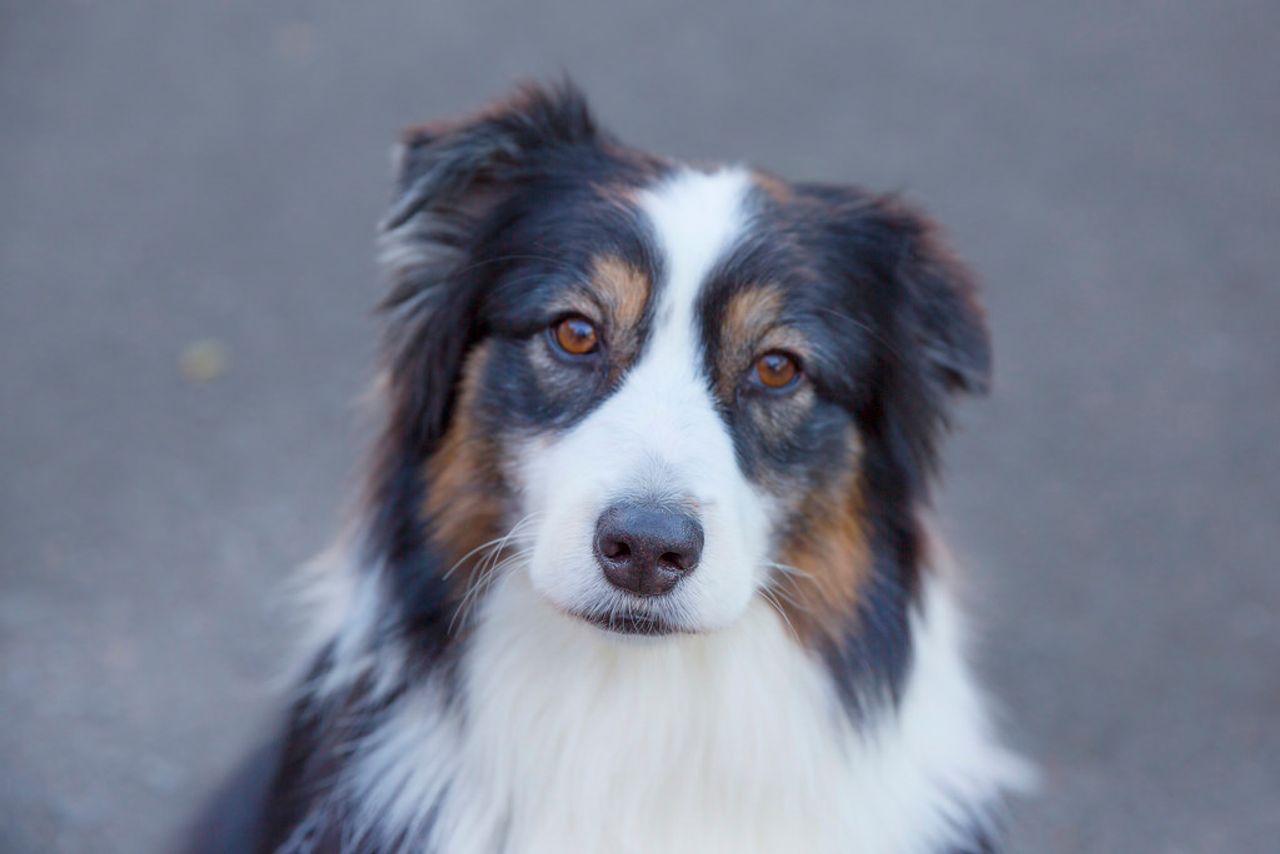
Origin and Historical Background
The Norfolk Terrier, a British breed, originated in the county of Norfolk, England. Before gaining recognition as an independent breed in 1964, it was a variety of the Norwich Terrier, distinguished by its "drop ears" or folded ears. This breed, along with the Norwich Terrier, is the smallest of the working terriers.
In the 1880s, British sportsmen developed the Norfolk Terrier as a working terrier of East Anglia in eastern England. The breed was developed by crossing local terrier-like dogs, small, short-legged Irish Terrier breeds, and the small red terriers used by the Romani ratters of Norfolk. Initially known as the Cantab Terrier, it became fashionable for students to keep in their rooms at Cambridge University, leading to its alternate name, the Trumpington Terrier. The breed was recognized by the English Kennel Club in 1932 and the American Kennel Club in 1936. The Norfolk Terrier was officially recognized as a separate breed in 1964.
Over time, the breed has been selectively bred for its wire-haired coat, which can be "all shades of red, wheaten, black and tan, or grizzle," and its small, sturdy build, making it an agile ratter and earth-dog. The breed's history is rich with its original purpose as barn dogs to rid the barn of vermin and its occasional use in hunting. The breed's coat has been a subject of standardization, with the American Kennel Club (AKC) specifying that the color must be solid, and the color "blue" is not recognized.
Physical Description
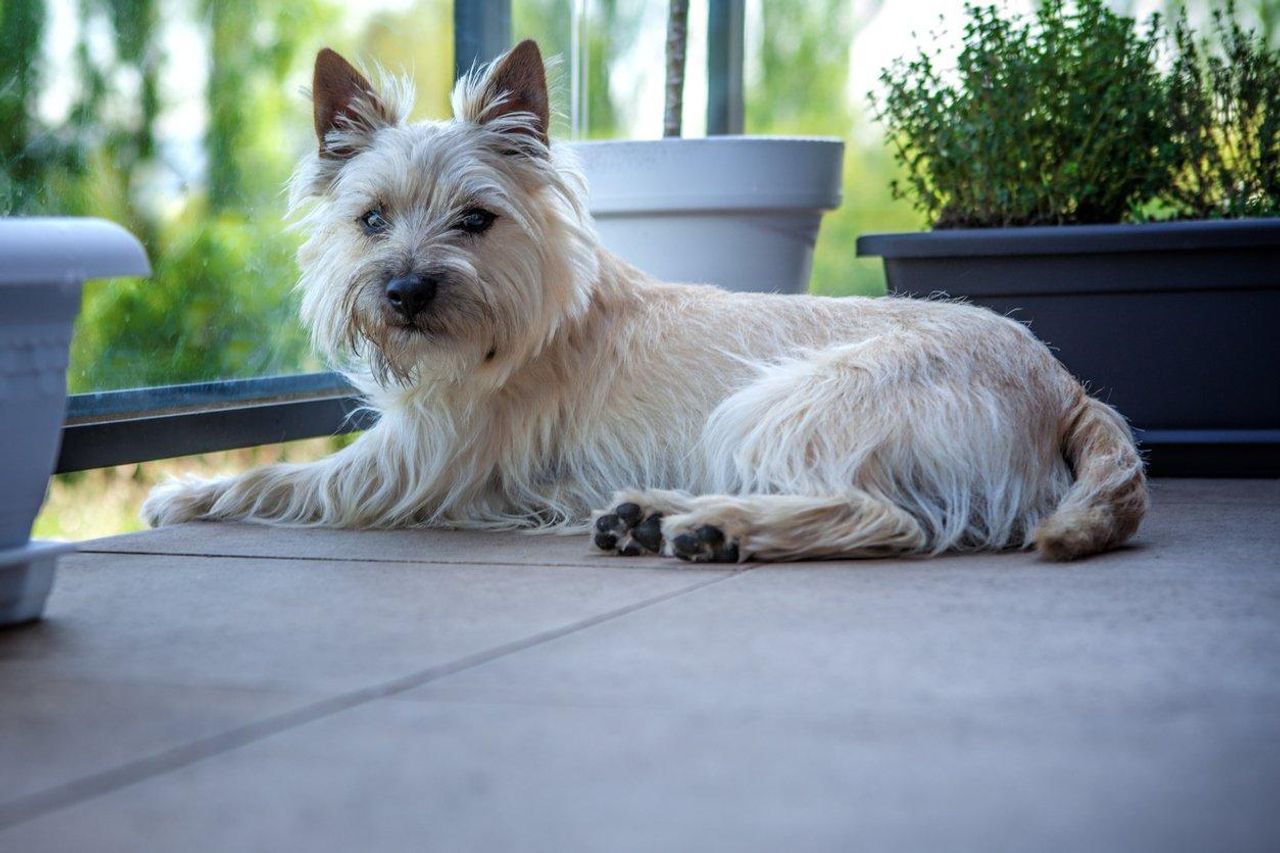
The Norfolk Terrier is a small, sturdy, and fearless terrier with a wiry, weather-resistant coat and characteristic drop ears. They are active and compact, free moving, with good substance and bone, which allows them to be agile ratters or earth-dogs. The ideal height for a Norfolk Terrier is 9 to 10 inches (23 to 25 cm) at the withers, and their weight is about 11 to 12 pounds (5.0 to 5.4 kg). The breed standard emphasizes a square body and a level topline.
Their coat is a double coat consisting of a harsh, wiry topcoat and a soft, warm undercoat. The breed is considered largely hypoallergenic, although they do shed minimally year-round. The AKC breed standard specifies that the coat should be of moderate length and lie close to the body, with a ruff around the neck and behind the ears.
Despite their small size, Norfolk Terriers have a strong prey drive for small vermin, which is a trait inherited from their working terrier background. They are natural hunters and can be quite energetic, making them suitable for active households. The breed's physical characteristics, such as their strong legs and a deep chest, contribute to their agility and endurance.
Temperament and Behavior
Norfolk Terriers are described as alert, courageous, affectionate, energetic, and playful. They are known for their spirited nature and have the softest temperaments of the Terrier Group. Despite their small size, they can be fearless and are not afraid to stand up to larger dogs. This feistiness is a reflection of their working terrier heritage.
As companions, they love people and children, making them good pets for families. However, their small size can make them fragile, so they require careful handling, especially around young children. They are generally not yappers, but they will bark when appropriate, given their watch-dog tendencies. They generally cohabit well with other household pets when introduced as a puppy, but their strong prey drive means they may chase small animals if not properly socialized.
Health Considerations
Norfolk Terriers are prone to certain health issues, including mitral valve disease, luxating patellas, and incorrect bites, where the teeth do not align with the breed standard. Many breedlines have shallow hip sockets and are dysplastic, which can lead to hip dysplasia. Responsible breeders test for hip dysplasia and other genetic conditions to ensure the health and longevity of the breed. The Canine Health Information Center (CHIC) provides a registry for breed-specific health information.
A 2024 UK study found a life expectancy of 13.5 years for the breed, which is higher than the average for purebreds. Responsible breeders only breed healthy dogs with good temperament and lineage, reflecting the breed standard. The environment in which they are raised directly impacts the temperament of the puppy for its lifetime.
Grooming and Care
Ideally, the coat should be combed daily with a steel "greyhound" comb, but a good combing once a week is sufficient for a companion dog.
Clipping or cutting the coat ruins its colors and harsh texture, so it is best to avoid this. A Norfolk Terrier can be washed with dog shampoo when it is dirty, but excessive bathing can strip the coat of its natural oils. The breed's coat requires special care to maintain its texture and color, with the AKC specifying that the coat should be left natural and not altered.
While the breed is considered largely hypoallergenic, they do shed minimally year-round. The breed's ears should be checked regularly for signs of infection, and their teeth should be brushed regularly to maintain oral health.
Breeding Standards and Registries
The American Kennel Club (AKC) is the primary registry for the Norfolk Terrier in the United States, with the breed being recognized in the Terrier Group. The AKC's breed standard outlines the ideal characteristics of the breed, including the size, coat, color, and temperament. The standard also includes specific requirements for the structure of the head, body, and legs, as well as the movement of the dog.
The United Kennel Club (UKC) also recognizes the Norfolk Terrier, with its own set of standards and guidelines for breeders and owners. The UKC's standards are similar to those of the AKC but may have slight variations in the details. Both registries require that dogs meet certain criteria to be registered, ensuring that the breed remains true to its standard.
Responsible breeders adhere to these standards and often participate in health testing programs to ensure the genetic health of the breed. The AKC's Canine Health Information Center (CHIC) and the UKC's Genetic Disease Control Program are examples of such initiatives. By following these guidelines, breeders contribute to the overall health and welfare of the Norfolk Terrier population.
Buying a Norfolk Terrier
Responsible breeders test for genetic conditions, including hip dysplasia, and only breed healthy dogs with good pedigrees. The demand for Norfolk Terriers is often greater than the supply, which can drive up prices. The average cost of a Norfolk Terrier puppy can range from $500 to $1500, depending on the breeder's reputation, the dog's lineage, and the specific color and coat of the puppy.
Before bringing a Norfolk Terrier into your home, consider whether your lifestyle matches the energy level and social needs of this breed. Potential owners should also be prepared for the grooming requirements of the breed's unique coat and the potential health issues that may arise.
Frequently Asked Questions
What is the lifespan of the Norfolk Terrier?
The average lifespan of the Norfolk Terrier is about 12-16 years. Good nutrition and regular veterinary care support a healthy life.
What is the temperament of the Norfolk Terrier?
The Norfolk Terrier is known for: Alert, Courageous, Affectionate, Energetic, Playful. Its energy level is high.
What size and weight is the Norfolk Terrier?
It is a medium-sized dog, typically around 5-5.5 kg as an adult.
Is the Norfolk Terrier easy to care for?
Reliable grooming and shedding ratings are not available. Routine brushing, ear and dental care, and nail trims are still recommended.
Is the Norfolk Terrier good with kids and other pets?
Reliable child- and pet-friendliness ratings are not available. Supervised, gradual introductions are recommended.
How much exercise does the Norfolk Terrier need?
With a high energy level, it needs walks, play or training matched to its stamina.
Norfolk Terrier
Trait Scores
N/A