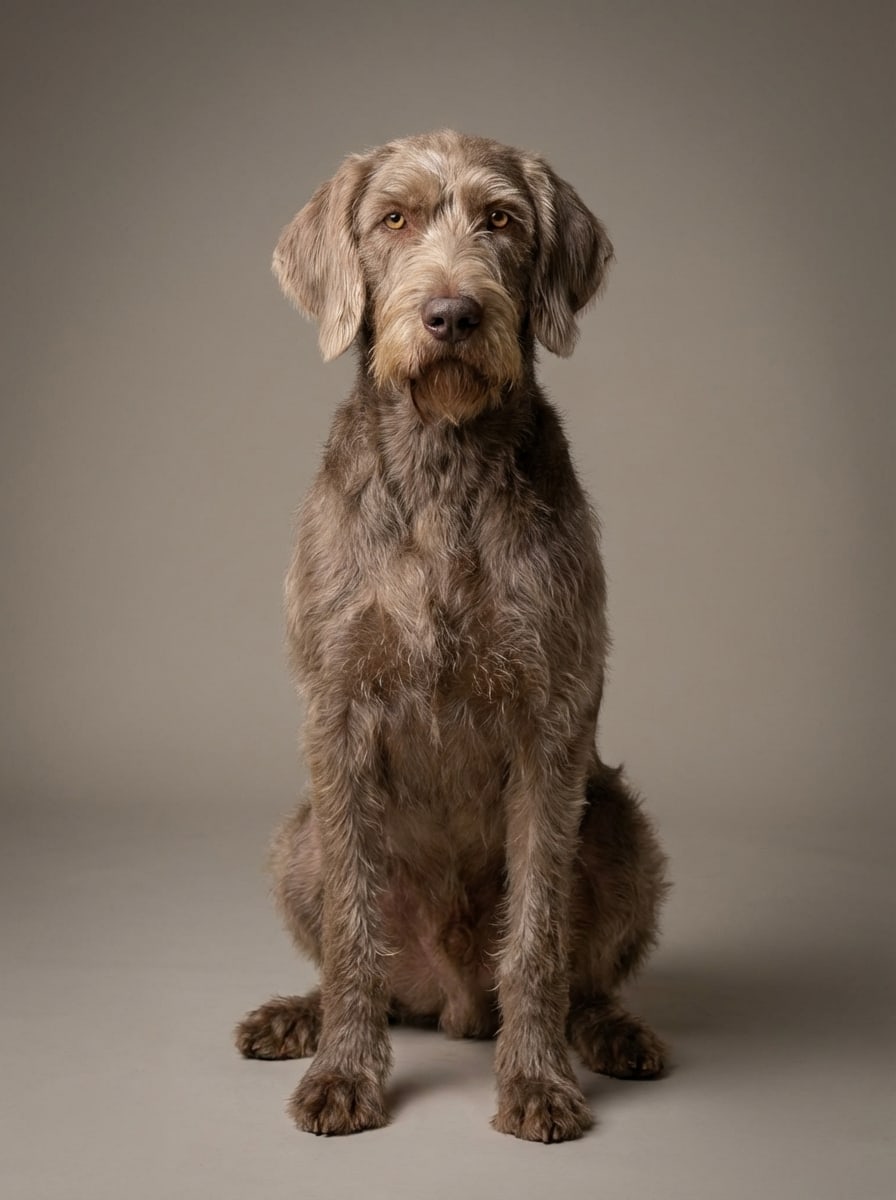
Newfoundland Breed Profile
The Newfoundland is a large breed of working dog that originated in Newfoundland, Canada. Known for their massive size and powerful build, they are renowned for their exceptional water rescue abilities and gentle temperament, often referred to as the 'gentle giant' among dog breeds.
Appearance
Newfoundlands possess webbed paws and a thick, water-resistant double coat, which includes a dense soft fur layer and a coarse, moderately long outer coat. Males typically weigh between 59-68 kg (143-176 lbs), while females weigh 45-54 kg (121-143 lbs). Their height ranges from 71-76 cm (22-30 in) for males and 66-71 cm (26-28 in) for females. The breed comes in various colors, including black, grey, brown, and white-and-black, known as a Landseer. The Landseer Newfoundland, in particular, has a distinctive coloration that is often a white chest and a brindle or black mask.
Temperament and Traits
Newfoundlands are known for their gentle, loyal, and devoted nature. They are calm and intelligent, making them highly trainable. Despite their large size, they have a low energy level and a medium level of friendliness, which makes them suitable for a variety of living situations. This gentle temperament is a hallmark of the breed and has made them popular as family pets.
Life Span and Health
Newfoundlands have a life expectancy of 9-10 years. However, they are predisposed to several health conditions, including acral lick dermatitis, which is characterized by excessive licking of the paws; allergic skin disease, which can lead to skin irritation and inflammation; hypothyroidism, a condition where the thyroid gland does not produce enough thyroid hormone; ichthyosis, a skin disorder that causes dry, scaly skin; and primary seborrhoea, a skin condition characterized by excessive oil production. They are also prone to dilated cardiomyopathy, canine hip dysplasia, cranial cruciate ligament deficiency, and gastric dilation volvulus, a serious condition where the stomach twists, causing pain and the risk of death if not treated promptly.
History and Origin
The Newfoundland was originally bred and used as a working dog for fishermen in Newfoundland. The breed has been mentioned in the journal of Joseph Banks as early as 1766. They were used to pull fishnets and haul carts, showcasing their strength and versatility. The breed's working role was varied, and they have been instrumental in many water rescue and lifesaving operations. Their strong swimming ability and natural instinct for retrieving items from the water made them invaluable to fishermen.
Reputation and Water Rescue
Newfoundlands have a reputation for their courage and lifesaving abilities. They have been involved in numerous rescue operations, including the 1828 rescue of over 160 Irish immigrants from the wreck of the brig Despatch, and the 1881 rescue of a cab driver in Melbourne, Australia, who was swept away by flood waters. Their natural swimming ability, combined with their strong build and webbed feet, makes them excellent at water rescue. The breed's reputation for bravery and loyalty has earned them a place in the annals of maritime history.
Relationship to Other Breeds
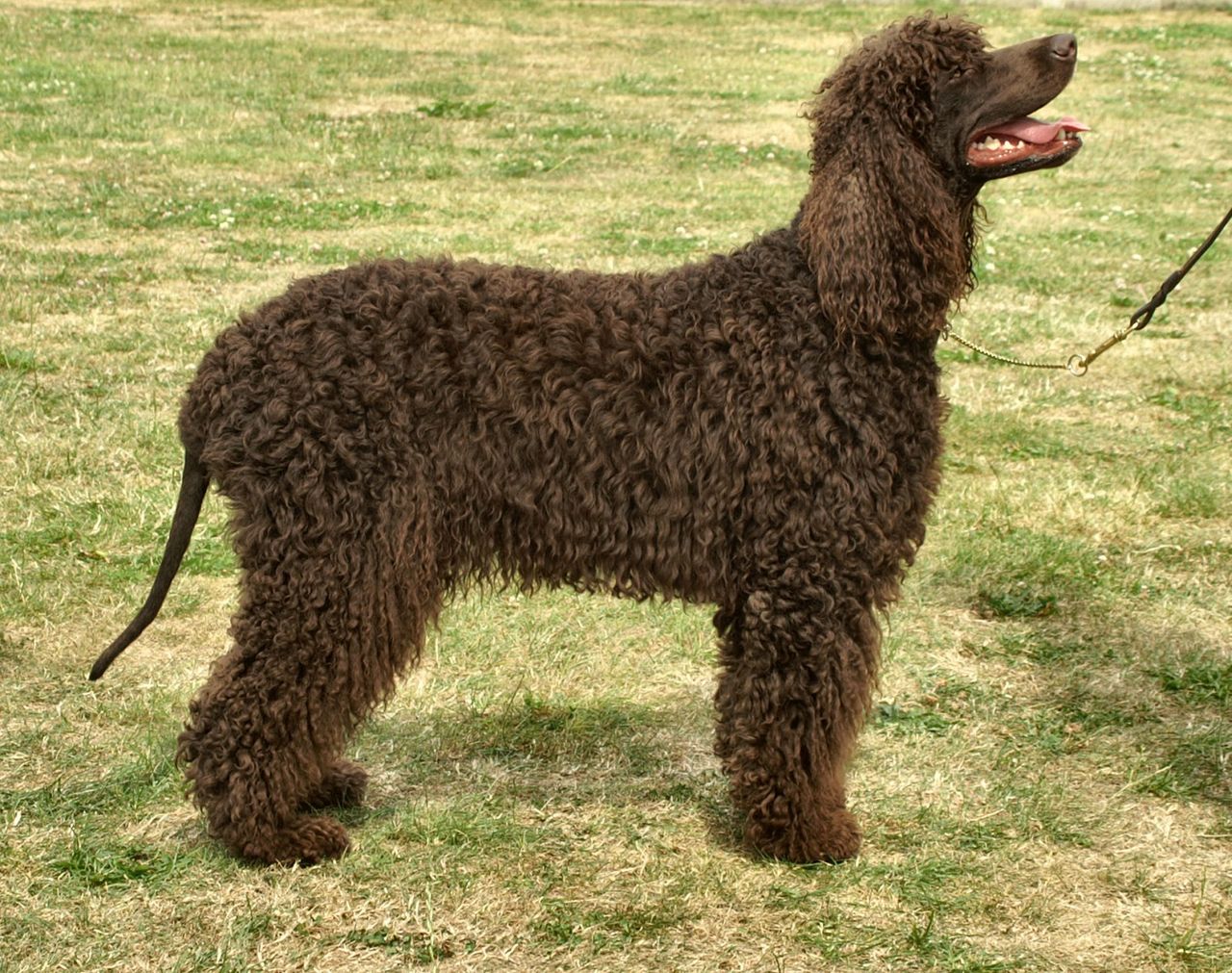
Newfoundlands share physical traits with mastiffs and Molosser-type dogs, such as the St. Bernard and English Mastiff. They are also related to the Irish Water Spaniel, Labrador Retriever, and Curly-Coated Retriever. Their strength and working traits have contributed to the development of other breeds, such as the Leonberger and the extinct Moscow Water Dog. The breed's genetic diversity has allowed it to adapt to various roles throughout history.
Famous Newfoundlands
Throughout history, Newfoundlands have been associated with many notable figures and events. Napoleon the Wonder Dog, a famous all-black Newfoundland, was a star attraction in Van Hare's Magic Circus. Boatswain, the pet of English poet Lord Byron, was the subject of his poem "Epitaph to a Dog. " Gander, the World War II mascot of the Royal Rifles of Canada, was awarded the PDSA Dickin Medal for his heroic actions during the Battle of Hong Kong. These stories highlight the breed's historical significance and the deep bond they share with humans.
Buying a Newfoundland
Potential owners should be prepared for the breed's large size and the potential for certain health issues. It is also crucial to ensure that the Newfoundland is well-suited to the household's lifestyle and living situation. This includes considering the amount of space required, the level of exercise needed, and the financial commitment associated with owning a Newfoundland.
Care and Grooming
Their webbed paws also require regular cleaning to prevent infection. Newfoundland owners should be prepared to provide their dogs with ample opportunities for swimming and physical activity.
Frequently Asked Questions
What is the lifespan of the Newfoundland?
The average lifespan of the Newfoundland is about 9-10 years. Good nutrition and regular veterinary care support a healthy life.
What is the temperament of the Newfoundland?
The Newfoundland is known for: Gentle, Loyal, Devoted, Calm, Intelligent. Its energy level is low.
What size and weight is the Newfoundland?
It is a large dog, typically around Male: 59-68; Female: 45-54 kg as an adult.
Is the Newfoundland easy to care for?
Reliable grooming and shedding ratings are not available. Routine brushing, ear and dental care, and nail trims are still recommended.
Is the Newfoundland good with kids and other pets?
Reliable child- and pet-friendliness ratings are not available. Supervised, gradual introductions are recommended.
How much exercise does the Newfoundland need?
With a low energy level, it needs walks, play or training matched to its stamina.
Newfoundland
Trait Scores
N/A