Origin and Development
The New Zealand Heading Dog, a medium-sized, agile working dog, originated in New Zealand. This breed was developed from the Border Collie, a breed originally from the Scottish border. Early settlers brought Border Collies to New Zealand for herding sheep, and subsequent breeding efforts aimed to create a dog better suited to the local environment. This involved crossing the Border Collie with shorter-haired dogs to adapt to New Zealand's hot summers and to reduce the instinct to lie down, making the dogs more visible to shepherds over long distances.
These crosses included the Kelpie and the Dingo, which helped in developing a breed with a thicker coat and more tolerance to New Zealand's climate. This process of crossbreeding continued over several decades, with the first official breed standard being established in 1950. The breed was further refined to be more "hard nosed" and larger, capable of dealing with cattle more effectively. This development led to the New Zealand Heading Dog's distinct characteristics, which include a strong herding instinct and the ability to run long distances.
Sheepdog trials, which began in New Zealand as early as 1867 in Wānaka, have been an integral part of the breed's history and development. These competitive events involve herding sheep around a field and into enclosures, showcasing the New Zealand Heading Dog's herding abilities. The first national sheepdog trials were held in 1906, further promoting the breed and its talents.
Breed Characteristics
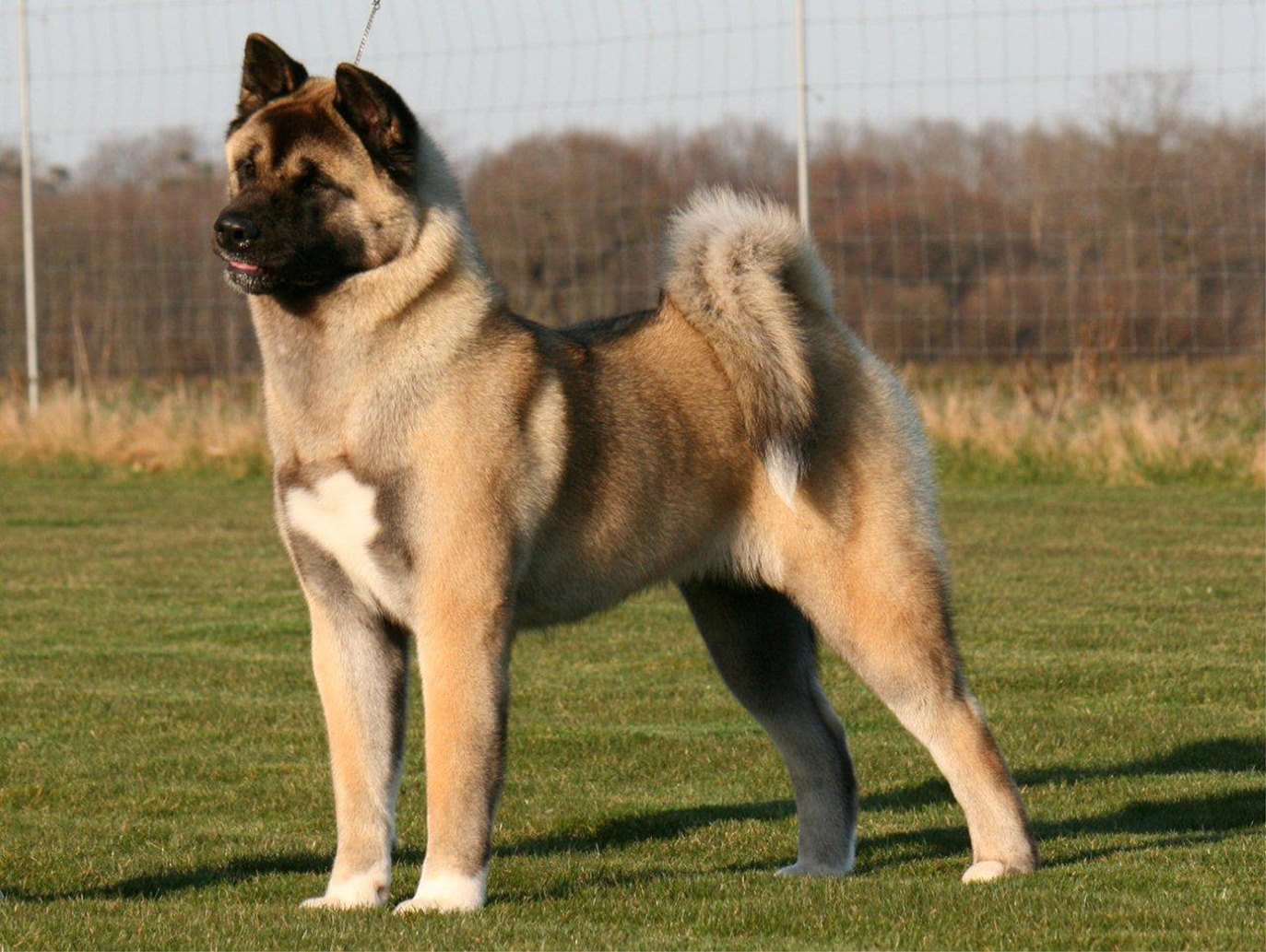
New Zealand Heading Dogs are known for their sturdy build, long legs, and even-haired coat. They are generally black and white in color, although some may be tan or exhibit other colors. The black color often creates a mask-like shape on the head, adding to their distinctive appearance. This coat is short and dense, providing protection against the elements.
These dogs are highly intelligent and energetic, with a strong herding instinct. They are able to adapt to quick movements and run long distances, making them ideal for work in farms and other outdoor environments. Their coat also helps in regulating body temperature, which is beneficial in New Zealand's varied climate.
New Zealand Heading Dogs are medium to large in size, with males weighing between 16-25 kg and standing 46-56 cm at the shoulder. Females are slightly smaller, weighing 14-25 kg and standing 43-53 cm. Their high energy levels and strong work ethic make them well-suited for tasks that require focus and stamina, such as agricultural work and search and rescue operations.
Temperament and Behavior
New Zealand Heading Dogs are intelligent, energetic, and work-focused. They are loyal and alert, making them excellent companions for those who engage in active outdoor activities. Their strong herding instinct can sometimes lead to behaviors such as herding small animals or children, especially if left alone for extended periods. This behavior is often referred to as "rounding up" and can be a challenge for owners if not properly managed.
While they are not typically considered friendly towards strangers, their alertness and protective nature can be beneficial in certain situations. They are known to bond closely with their families and can be somewhat reserved with those outside their immediate circle.
Lifespan and Health
New Zealand Heading Dogs have a lifespan of 12-16 years, which is average for medium to large breeds. They are generally robust and healthy, but like all breeds, they can be prone to certain health conditions.
Common health issues include hip dysplasia, a genetic condition that can cause pain and mobility issues; epilepsy, a disorder that can lead to seizures; and progressive retinal atrophy (PRA), a degenerative eye condition that can lead to blindness.
Breeding and Registration
New Zealand Heading Dogs are bred primarily for their herding abilities, and breeders focus on maintaining the breed's specific traits and characteristics. While there is no official registry for this breed, it is recognized and valued within the herding community in New Zealand. The New Zealand Sheepdog Club was established in 1946 and has played a significant role in the breed's development and recognition.
Breeders select dogs for their intelligence, agility, and strong herding instincts. They also consider factors such as temperament, health, and conformation to ensure the overall quality and well-being of the breed. The breed standard, which was last revised in 2015, outlines the desired characteristics of a New Zealand Heading Dog, including coat color, structure, and movement.
New Zealand Heading Dogs are not typically bred for show or companion purposes, as their primary role is as working dogs. This focus on their working abilities ensures that the breed remains well-suited for their intended tasks, such as herding sheep, guiding cattle, and search and rescue work.
Living with a New Zealand Heading Dog
New Zealand Heading Dogs require a dedicated owner who can provide them with ample exercise, mental stimulation, and opportunities to engage in their natural herding instincts.
These dogs are not recommended for first-time dog owners due to their high energy levels and strong work ethic. They require a firm yet fair leadership style and may not be suitable for those who prefer a more laid-back lifestyle. Owners must be prepared to invest time and resources into training and care to ensure the dog's happiness and well-being.
Buying a New Zealand Heading Dog
- Ensure the breeder is reputable and has a history of producing healthy, well-adjusted dogs. Research breeders thoroughly and ask for references.
- Ask about the dog's health history, including any genetic screenings or health clearances. This may include hip and elbow evaluations, eye exams, and heart evaluations.
- Observe the dog's temperament and behavior to ensure they are well-suited to your lifestyle and living situation. Look for signs of confidence, alertness, and a good temperament.
- Consider the long-term commitment of owning a New Zealand Heading Dog, including their lifespan and potential health issues. Prepare for the financial and emotional investment required to care for a dog of this breed.
Buying a New Zealand Heading Dog is a significant investment both financially and emotionally.
Frequently Asked Questions
What is the lifespan of the New Zealand Heading Dog?
The average lifespan of the New Zealand Heading Dog is about 12-16 years. Good nutrition and regular veterinary care support a healthy life.
What is the temperament of the New Zealand Heading Dog?
The New Zealand Heading Dog is known for: Intelligent, Energetic, Work-focused, Loyal, Alert. Its energy level is high.
What size and weight is the New Zealand Heading Dog?
It is a large dog, typically around Male: 16-25; Female: 14-25 kg as an adult.
Is the New Zealand Heading Dog easy to care for?
Reliable grooming and shedding ratings are not available. Routine brushing, ear and dental care, and nail trims are still recommended.
Is the New Zealand Heading Dog good with kids and other pets?
Reliable child- and pet-friendliness ratings are not available. Supervised, gradual introductions are recommended.
How much exercise does the New Zealand Heading Dog need?
With a high energy level, it needs walks, play or training matched to its stamina.
New Zealand Heading Dog
Trait Scores
N/A