Origin and Evolution
The New Guinea Singing Dog, native to the New Guinea Highlands, represents an ancient lineage of dogs that have lived alongside local tribal peoples for centuries. Initially considered a separate species, Canis hallstromi, it is now recognized as closely related to the Australian dingo. This breed's unusual "yodel" vocalizations, along with its fox-like appearance and agility, distinguish it from other canines. The first documented sighting of these dogs was by Captain Don Diego de Prado y Tovar during the Torres expedition in 1606.
In 1897, Sir William MacGregor, the Lieutenant-Governor of British New Guinea, documented the presence of these dogs in the Central Province, marking the first official record. The New Guinea Singing Dog is one of the few canines considered "barkless" and is known for its distinctive vocalizations, which contributed to its name. A study in 1999 suggested that domestic dogs, including the New Guinea Singing Dog and the dingo, may have originated from multiple grey wolf populations, with both breeds developing during periods of human isolation.
The New Guinea Singing Dog's taxonomic status remains a topic of debate. Proposals range from considering it within the domestic dog species, Canis familiaris, to being a distinct species, Canis hallstromi, or even a subspecies of the wolf, Canis lupus dingo. The IUCN/SSC Canid Specialist Group workshop in 2019 considered the New Guinea Singing Dog and the dingo as feral dogs, Canis familiaris, thus not requiring assessment on the IUCN Red List.
Physical Description
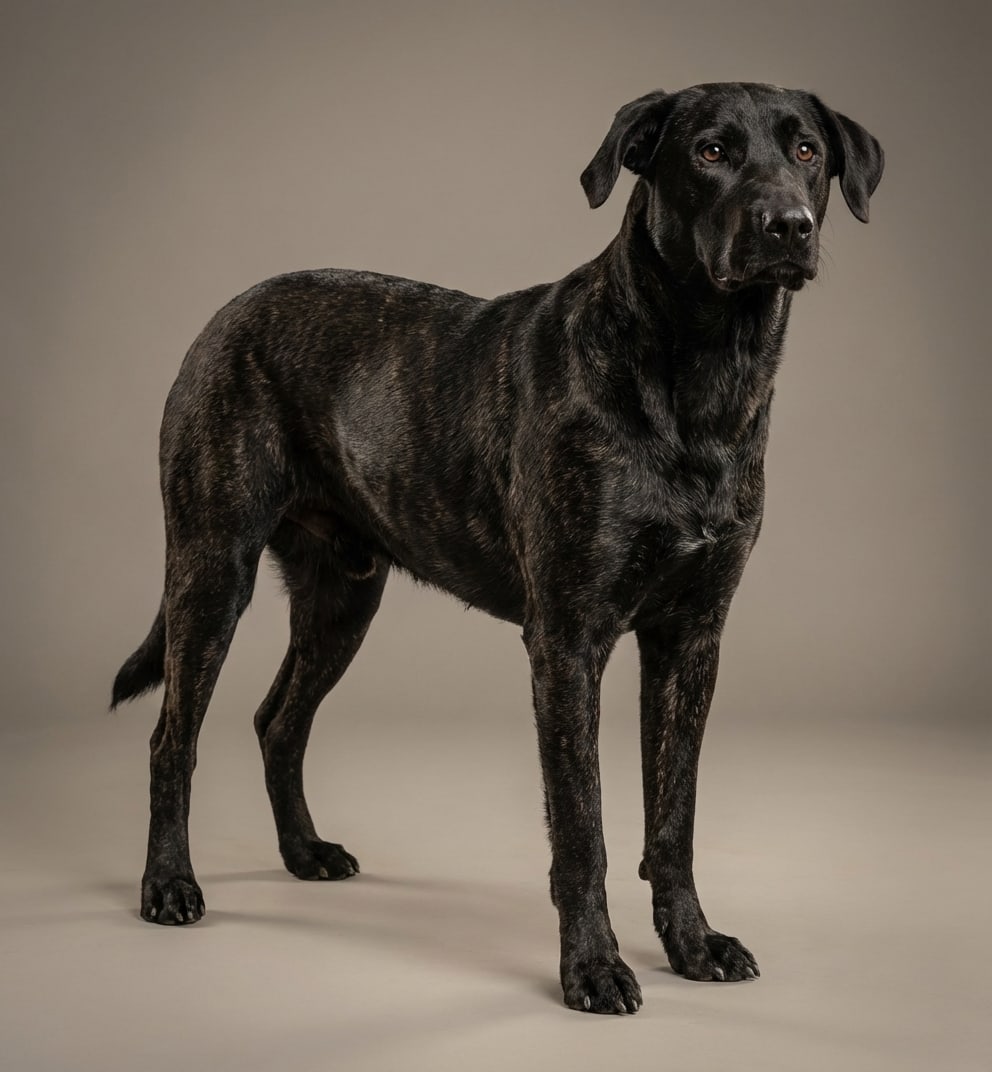
New Guinea Singing Dogs have a distinctive appearance, with short legs and broad heads, resembling a dingo but smaller in size. They typically stand between 31–46 cm (12–18 in) at the shoulder and weigh 9–14 kg (20–31 lb). Their coat is medium-length, and they are known for their flexible limbs and spine, which allow them to spread their legs sideways to 90° and rotate their front and hind paws, enabling them to climb trees. Their eyes are highly reflective, triangular, and exhibit a bright green glow in low light conditions, a trait that aids in vision in poor lighting. The ears are erect and pointed, and the tail is bushy and reaches down to the hock, with a white tip.
Adult New Guinea Singing Dogs have a coat coloration that includes brown, black, and tan shades, often with white points. The coat changes from a dark chocolate brown with gold flecks and reddish tinges in pups to light brown by the age of six weeks. Their paws and underparts are usually white, and some may have white markings on the muzzle, face, and neck.
These dogs do not have rear dewclaws, and their overall build is robust and athletic.
Temperament and Personality
New Guinea Singing Dogs are known for their independent nature, alertness, intelligence, and energetic disposition. They can be cautious and are generally not as friendly as other dog breeds. Their independent streak can make training a challenge, but their high intelligence and trainability make it possible with consistent, patient training methods. This breed requires a confident handler who can provide firm, but fair leadership.
Their alertness makes them excellent watchdogs, as they are quick to respond to unusual situations. However, their cautious nature might lead to wariness around strangers, which is a characteristic shared with their close relative, the dingo. Despite their semi-domesticated status, New Guinea Singing Dogs retain many wild characteristics, which can include a strong prey drive and a tendency to roam.
Health and Genetics
The health of the New Guinea Singing Dog has been a subject of study, particularly in relation to its genetic heritage. A 2020 genetic study revealed that these dogs are genetically basal to the dingo and the New Guinea singing dog, suggesting that the New Guinea Highland wild dogs are the potential originator of both. This lineage can be traced back through the Malay Archipelago to Asia, with the dogs' ancestors believed to have originated in southern East Asia before migrating to Australia around 8,300 years ago.
The study also found that New Guinea Singing Dogs show 5.5% genome introgression from the ancestor of the recently extinct Japanese wolf, with Japanese dogs showing 4% genome introgression. This genetic diversity contributes to the breed's resilience and adaptability but also requires careful health management. While specific health issues associated with the breed are not well-documented, it's important for owners to be aware of the potential for genetic disorders common in other dog breeds.
Genetic testing may be available for some conditions, but it's important for breeders to continue researching and addressing potential health concerns.
Care and Maintenance
Caring for a New Guinea Singing Dog requires a commitment to their active lifestyle and unique needs. Daily brushing can help keep the coat in good condition and reduce the amount of hair that sheds into the home environment.
These dogs are energetic and require ample exercise, including regular walks, playtime, and other physical activities.
Given their semi-domesticated nature, New Guinea Singing Dogs may not be the best choice for families with very young children or other pets. Their independent nature and strong prey drive can lead to challenges in these environments. Potential owners should be prepared for a dog that requires a lot of attention and dedication, but that can offer a unique and rewarding bond.
Buying Checklist and Cost Realism
When considering the purchase of a New Guinea Singing Dog, there are several factors to keep in mind:
- Ensure the dog comes from a reputable breeder who can provide health clearances and a strong genetic background.
- Understand that this breed requires a confident and experienced handler.
The cost of a New Guinea Singing Dog can vary, but potential owners should expect to pay several thousand dollars for a well-bred individual.
New Guinea Singing Dogs are not widely available, so patience and dedication may be required to find a breeder with the right dogs for you. It's essential to ensure that the breed's unique needs are understood and that you are prepared to provide a suitable environment and lifestyle for this remarkable dog.
Frequently Asked Questions
What is the temperament of the New Guinea Singing Dog?
The New Guinea Singing Dog is known for: Independent, Alert, Intelligent, Energetic, Cautious. Its energy level is high.
What size and weight is the New Guinea Singing Dog?
It is a medium-sized dog, typically around Male: 9-14; Female: 8-11 kg as an adult.
Is the New Guinea Singing Dog easy to care for?
Reliable grooming and shedding ratings are not available. Routine brushing, ear and dental care, and nail trims are still recommended.
Is the New Guinea Singing Dog good with kids and other pets?
Reliable child- and pet-friendliness ratings are not available. Supervised, gradual introductions are recommended.
How much exercise does the New Guinea Singing Dog need?
With a high energy level, it needs walks, play or training matched to its stamina.
New Guinea Singing Dog
Trait Scores
N/A