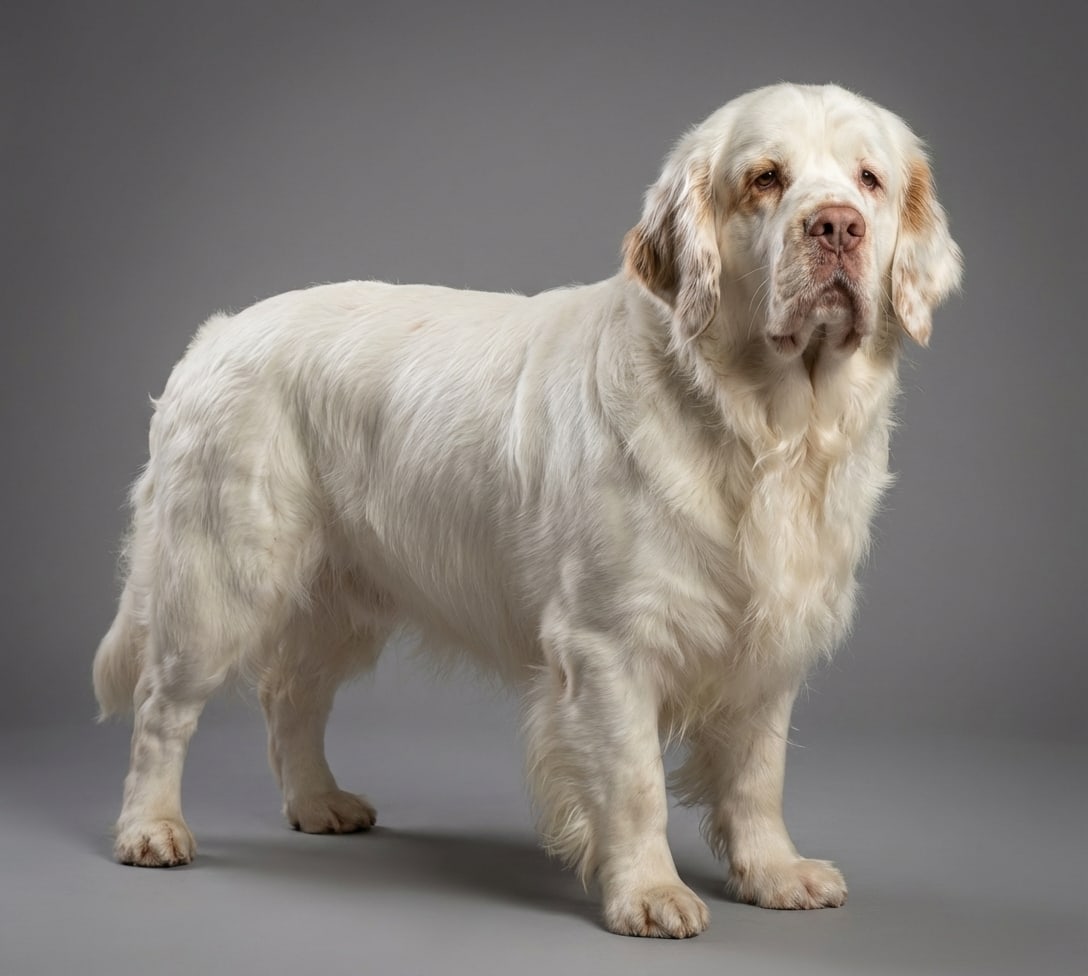
Origin and Recognition
The Mudi, a medium-sized Hungarian herding dog, originated in the mountainous regions of Hungary, where they were bred to be versatile farm dogs capable of herding, guarding, and driving livestock. The breed's name is derived from the word "mud," reflecting their ability to work in muddy conditions. It was first recognized as a distinct breed in 1936 by Dr Dezso Fenyes, a Hungarian veterinarian and breeder. Known as the "driver dog," the Mudi nearly disappeared after World War II due to the devastating impact of the war on Hungary's rural population and the breed's role in farm work. However, their resilience and adaptability allowed them to survive and eventually regain recognition. The Federation Cynologique Internationale (FCI) officially recognized the Mudi as a separate breed in 1966. The American Kennel Club (AKC) followed suit on January 5, 2022, and The Kennel Club in the United Kingdom recognized the breed on June 12, 2025. The Mudi made its debut at the prestigious Westminster Kennel Club Dog Show in June 2022, where CH Luminary Alchemist ("Guava"), owned by Samantha Van Buren, won Best of Breed, marking a significant milestone for the breed's popularity and recognition.
The breed's history is a reflection of the resilience and adaptability of the Mudi, as well as the commitment of those who have cherished and protected this unique breed through challenging times.
Physical Description
Mudis have a medium coat length and a curly coat type, which can vary from wavy to curly. The coat texture is dense and water-resistant, providing protection against the harsh Hungarian climate. They are born with various lengths of tails, from bobtails to long full-length tails. The breed standard indicates that dogs born with short or natural bobtails will be noted on the FCI pedigree. This characteristic adds to the Mudi's unique appearance and contributes to their versatility as a working dog. Adult male Mudis stand at a height of 41-47 cm (16-18.5 inches) at the withers, while females range from 38-44 cm (15-17.5 inches). Their weight typically falls between 8-13 kg (17.6-28.6 pounds), reflecting their medium size and robust build.
The breed standard allows for a wide range of color patterns, reflecting the breed's diverse genetic background and the adaptability of the breed to various environments and tasks.
Temperament and Traits
Mudis are energetic, intelligent, and alert dogs with a loyal and adaptable nature. They are work-focused and excel in various dog sports and herding activities, showcasing their versatility and agility. Mudis are known for their strong herding instincts, which are a result of their history as farm dogs. Their intelligence and trainability make them responsive to training, and they can be trained for a variety of tasks and sports. Despite their high energy levels, Mudis are not considered hypoallergenic, and their shedding level is medium.
One of the notable traits of the Mudi is their strong bond with their owners. This makes them excellent family pets, as long as they receive the attention and exercise they need. Their adaptable nature allows them to fit into various lifestyles, from rural farms to urban homes, as long as their exercise and mental stimulation needs are met.
Exercise and Activities
Given their high energy levels, Mudis require daily, long, brisk walks or jogs to help them stay physically and mentally healthy. They also enjoy playing fetch, running, and engaging in other physical activities that allow them to use their natural herding instincts. These dogs love to play and excel in dog sports such as Frisbee, agility, and flyball. Mudis can participate in dog agility trials, obedience, Rally obedience, Schutzhund, showmanship, tracking, and herding events. Their herding instincts and trainability can be measured at noncompetitive herding tests, and those with basic herding instincts can be trained for herding trials. The Mudi's agility and intelligence make them well-suited for competitive dog sports, and many Mudis have excelled in these activities, earning titles and recognition.
Engaging in these activities not only provides the Mudi with the exercise they need but also strengthens the bond between the dog and their owner.
Health Considerations
Like all breeds, Mudis are prone to certain health conditions. Owners should be vigilant for signs of any health issues and consult with a veterinarian for proper care and management. Some common health concerns in Mudis include hip dysplasia, which can cause pain and mobility issues; elbow dysplasia, which can also affect joint health; and epilepsy, a disorder that can cause seizures.
History and Development
The Mudi is closely related to the Puli and Pumi, sharing a common heritage and being separated as distinct breeds in the 1930s. Their recognition as a separate breed came after their initial discovery in Hungary, where they were used as all-purpose farm dogs. The Mudi's versatility was evident in their roles as herders, guardians, and drivers of livestock. They were known for their intelligence, loyalty, and adaptability, which made them invaluable to farmers in the rugged Hungarian countryside.
During World War II, many Mudis were killed off, leading to a near-extinction of the breed. However, their resilience and adaptability allowed them to survive and eventually regain recognition and popularity. Breeders in Hungary worked tirelessly to preserve the breed, and their efforts were instrumental in the Mudi's recovery.
The Mudi's development has been shaped by its environment and the needs of its human companions. Their history as farm dogs has instilled in them a strong work ethic and a desire to please their owners. This has contributed to their versatility and adaptability, making them a popular choice for families, working dogs, and individuals looking for a loyal and intelligent companion.
Buying a Mudi
Mudis require an active lifestyle and a family or owner who is willing to engage in various activities with them. They are not suitable for owners who prefer a sedentary lifestyle or those who cannot provide the necessary exercise and attention.
Responsible breeders will conduct genetic testing on their dogs to screen for potential health issues and will be transparent about the breed's health history. Purchasing from a responsible breeder not only ensures the health and well-being of the puppy but also supports the continued development and preservation of the breed.
Prospective owners should also be prepared for the costs associated with owning a Mudi. However, the joy and companionship that a Mudi can provide make these investments worthwhile for those who are committed to this energetic and intelligent breed.
Frequently Asked Questions
What is the lifespan of the Mudi?
The average lifespan of the Mudi is about 12-14 years. Good nutrition and regular veterinary care support a healthy life.
What is the temperament of the Mudi?
The Mudi is known for: Energetic, Intelligent, Alert, Loyal, Adaptable, Work-focused. Its energy level is high.
What size and weight is the Mudi?
It is a medium-sized dog, typically around 8-13 kg as an adult.
Is the Mudi easy to care for?
Reliable grooming and shedding ratings are not available. Routine brushing, ear and dental care, and nail trims are still recommended.
Is the Mudi good with kids and other pets?
Reliable child- and pet-friendliness ratings are not available. Supervised, gradual introductions are recommended.
How much exercise does the Mudi need?
With a high energy level, it needs walks, play or training matched to its stamina.
Mudi
Trait Scores
N/A