Origin and Terminology
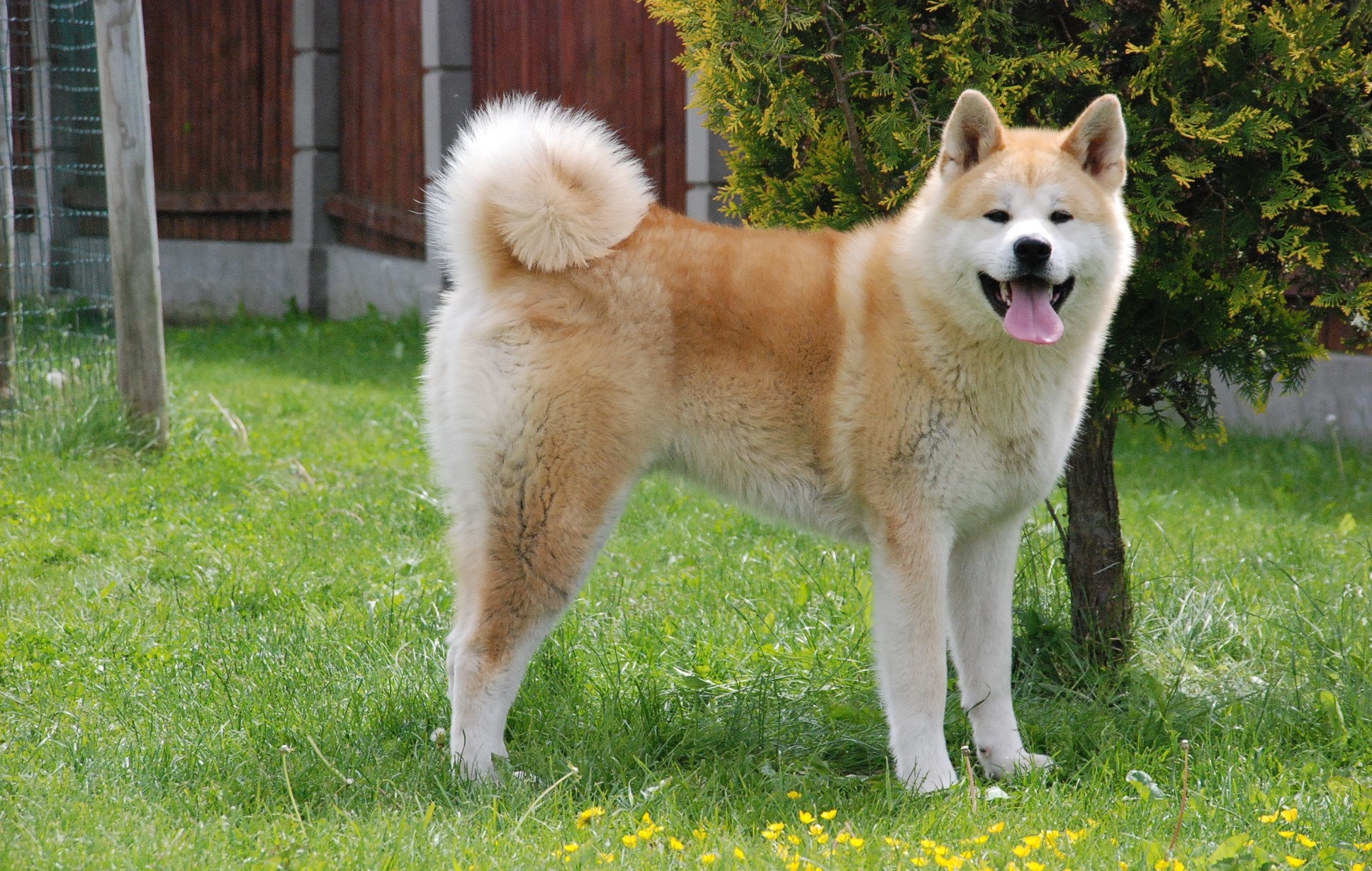
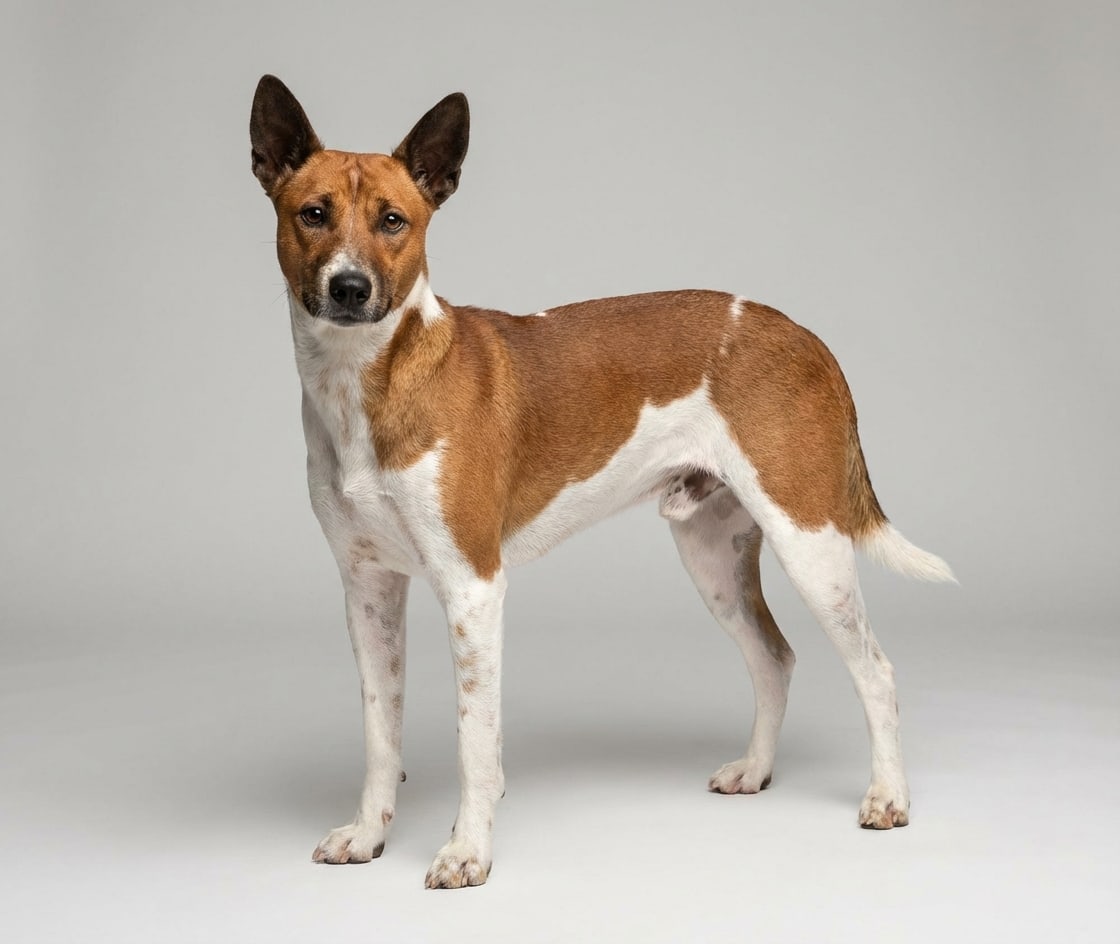
A Mongrel, also known as a mutt or mixed-breed dog, is a dog that does not belong to an officially recognized breed. These dogs can have a combination of traits from multiple breeds, leading to a highly variable physical appearance, temperament, and health. The term "mongrel" is sometimes preferred over "mixed-breed" by experts and fans of such dogs, as it reflects the lack of a defined breed. Mixed-breed dogs are generally considered less valuable financially than purebreds and are less susceptible to genetic health problems associated with inbreeding, a concept known as "hybrid vigor. " The population of mixed-breed dogs is estimated to be around 150 million animals worldwide.
In the United States, "mixed-breed" is often favored over "mongrel" to avoid negative connotations. The term "dog crossbreed" and "designer dog" refer to mixed-breed dogs intentionally bred by humans. Mixed-breed dogs can be named by combining known breeds, such as "Corgi-Siberian Husky," or by creating portmanteaus like "corgsky" or "siborgi. " These names are not capitalized as they are not officially recognized dog breeds.
Regional and slang terms for mixed-breed dogs vary widely. In the UK, "mongrel" is the technical term, while in North America, terms like "mix," "mixed-breed," and "mutt" are more common. Other slang terms include "cur," "tyke," "potcake," and "pavement special," reflecting the diverse origins and social perceptions of these dogs.
Physical Characteristics and Traits
Mongrels display a wide range of physical characteristics, as they are a mix of various breeds. They can be of medium size, with medium-length coats, and medium energy levels. Their friendliness can vary, with some being less friendly than others. Mongrels have a medium shedding level and are considered medium in trainability. The adult weight and height of a Mongrel can be unknown, as it varies greatly depending on the combination of breeds in their ancestry.
Genetic analysis became publicly available in 2007, allowing for the genetic determination of a mixed-breed dog's breed composition. However, these tests are limited in scope and do not test for breed purity but rather for genetic sequences common to certain breeds. The American Kennel Club does not recognize the use of DNA tests to determine breed.
Many newer dog breeds can be traced back to a common foundational breed, making it difficult to separate genetically. For example, Labrador Retrievers, Flat-coated Retrievers, Chesapeake Bay Retrievers, and Newfoundland dogs share a common ancestry with the St. John's water dog, a now-extinct naturally occurring dog landrace from the island of Newfoundland.
Temperament and Behavior
Some may be friendly and sociable, while others may be more reserved. The temperament tags for a Mongrel include "variable depending on ancestry and individual traits," indicating that it is challenging to predict a Mongrel's temperament based solely on its appearance.
Because mixed-breed dogs have more genetic variation than purebreds, it can be difficult to determine their behavior patterns. However, the theory of hybrid vigor suggests that dogs of varied ancestry will generally be healthier and may exhibit better temperament traits. This is due to the reduced chance of inheriting detrimental recessive alleles from both parents.
Some mixed-breed dogs may exhibit traits from their parent breeds, such as a herding instinct from a Collie or a hunting drive from a Beagle. However, the combination of traits in a Mongrel can be unpredictable, making them unique and interesting pets.
Health and Genetic Health Problems
Mongrels are generally considered to be healthier than their purebred counterparts due to the concept of hybrid vigor. This theory suggests that dogs of varied ancestry will be generally healthier because intentionally breeding dogs of very similar appearance over several generations can produce animals that carry many of the same detrimental alleles. In contrast, mixed-breed dogs have more genetic diversity due to the more haphazard nature of their parents' mating.
While mixed-breed dogs may be less susceptible to genetic health problems associated with inbreeding, they are not immune to them. Some deleterious recessives occur across many seemingly unrelated breeds, and therefore merely mixing breeds is no guarantee of genetic health. When two poor specimens are bred, the offspring could inherit the worst traits of both parents.
Several studies have shown that mixed-breed dogs have a health advantage over purebred dogs. A German study found that "mongrels require less veterinary treatment," and studies in Sweden and Denmark have found that Mongrel dogs are less prone to many diseases than the average purebred dog. A British study showed similar results, but a few breeds, such as Jack Russell Terriers, Miniature Poodles, and Whippets, lived longer than mixed breeds.
Popular Culture and Perception
Mongrels have been featured in popular culture, with author Jilly Cooper writing books on mongrels, including "Intelligent and Loyal," which is one of the earliest works entirely dedicated to the type. The Brazilian vira-lata caramelo, a type of mixed-breed dog, is widely cherished in Brazil and is considered a national symbol, often associated with Brazilian diversity pride.
Despite their popularity and unique characteristics, Mongrels can still face negative perceptions. Slang terms like "Heinz 57" and "vira-lata" reflect the uncertainty and diversity of mixed-breed dogs. However, many people appreciate the individuality and adaptability of Mongrels, making them popular pets worldwide.
Buying a Mongrel: What to Consider
- Understand the potential health risks: While Mongrels may be healthier on average, they can still inherit genetic health problems.
- Consider the temperament and energy level: Mongrels can have a wide range of temperaments and energy levels. Choose a Mongrel that matches your lifestyle and living situation.
- Be aware of the cost: Mixed-breed dogs can vary in price, depending on their appearance and temperament. Be prepared for the initial cost of adoption or purchase, as well as ongoing expenses such as food, veterinary care, and grooming.
- Be open to the unknown: The ancestry and characteristics of a Mongrel can be unpredictable. Embrace the diversity and individuality that comes with owning a mixed-breed dog.
Frequently Asked Questions
What is the lifespan of the Mongrel?
The average lifespan of the Mongrel is about 10-16 years. Good nutrition and regular veterinary care support a healthy life.
What is the temperament of the Mongrel?
The Mongrel is known for: Variable Depending On Ancestry And Individual Traits. Its energy level is moderate.
What size and weight is the Mongrel?
It is a medium-sized dog, typically around unknown kg as an adult.
Is the Mongrel easy to care for?
Reliable grooming and shedding ratings are not available. Routine brushing, ear and dental care, and nail trims are still recommended.
Is the Mongrel good with kids and other pets?
Reliable child- and pet-friendliness ratings are not available. Supervised, gradual introductions are recommended.
How much exercise does the Mongrel need?
With a moderate energy level, it needs walks, play or training matched to its stamina.
Mongrel
Trait Scores
N/A