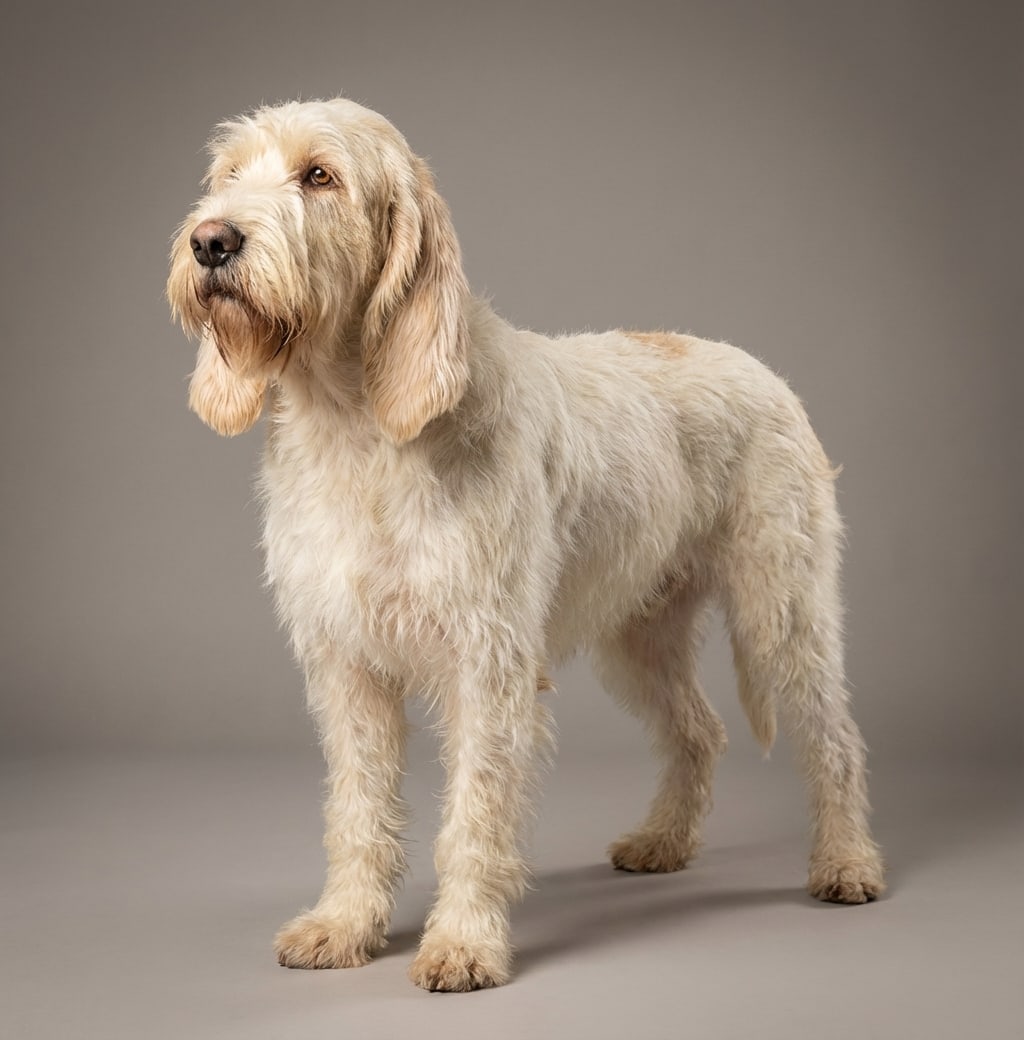
Origin and Development
The McNab Dog, also known as the McNab Shepherd or McNab Collie, originated in Hopland, Mendocino County, Northern California. Bred to withstand the challenging conditions of California, including heat, burrs, foxtails, and rugged terrain, the McNab was developed for ranch work in Northern California.
Alexander McNab, a Scottish homesteader, established his 10,000-acre sheep ranch in the Sanel Rancho, which later became Hopland, California. He sought to develop a herding dog capable of handling the rough conditions on his ranch, and thus named his dogs "McNab Shepherds. " The breed has gained popularity and geographic dispersal over the last three decades, with the first McNab Shepherds being registered with the McNab Shepherd Registry (MSR) in 1991.
In 2014, a group of McNab Shepherd breeders and enthusiasts established the MSR to continue the betterment, advancement, and welfare of the breed. The MSR is a "founding registry" that exclusively utilizes discovered genetic markers and DNA verification for registration. Since 2014, the MSR has worked with Mars Veterinary to establish a unique genetic signature for the McNab Shepherd, evaluated for physical traits, and identified over 100 disease-causing mutations.
Appearance
The McNab is a medium-sized dog with a variety of ear sets, from pricked to floppy, and tails that can be either short or long. They come in colors such as black, red, blonde, blue, lilac, and sable, with variations of solid, added white, or added white and tan (tri-colored). Their eyes are well-set apart, almond-shaped, and can be brown, hazel, or copper in color.
According to the MSR, males typically stand 18–25 inches at the shoulder and weigh 35–65 pounds, while females stand 16–21 inches at the shoulder and weigh 30–50 pounds. The coat is close, dense, and weather-resistant, with options including a slick single short coat, a short double coat, or a medium-length single coat, but never long. One of the distinctive features of the McNab is their cat-like feet, which contribute to their agility.
Temperament and Personality
The McNab is known for its intelligence, energy, loyalty, alertness, and work-focused nature. They require more daily physical exercise and mental stimulation than many other breeds. A working McNab frequently runs for miles a day, using herding skills to control livestock, and can become restless if isolated or neglected.
McNabs often bond tightly with family members, including other household pets, and have a keen sense of territory. They are more likely to defend their territory and family members than many sensitive herding breeds. However, they can be assertive and demanding, so they do best with guardians who are firm, consistent, and skilled in positive dog training methods. Their high intelligence and quick learning ability also mean they need regular mental challenges to remain happy and healthy.
Due to their high energy levels and need for mental exercise, families considering a McNab for a pet will need to set aside plenty of time to spend with their dog, engaging in activities that stimulate their mind and body.
Health and Genetic Considerations
McNabs are hardy dogs with no breed-specific health problems, with an average lifespan of 13–15 years. However, they may carry the MDR1 mutant gene, which can make them very sensitive to Ivermectin, a common ingredient in heartworm prevention medications. This sensitivity can cause serious health problems or even death.
A DNA test for the MDR1 mutation is available through the Washington State University College of Veterinary Medicine. The test can be completed by sending a cheek swab through the mail.
Breed Status and Recognition
The McNab is not recognized as a standardized breed by any major kennel club, including the American Kennel Club (AKC). This lack of formal recognition is reflected in the breed's ratings, which are not provided by kennel clubs due to the lack of standardized breed criteria.
Despite this, the McNab Shepherd Registry (MSR) has been instrumental in advancing the breed, utilizing genetic markers and DNA verification for registration. The MSR's efforts have contributed to the establishment of a unique genetic signature for the McNab Shepherd and have helped set a baseline for physical traits and disease-causing mutations in the breed. The MSR has also worked to ensure that the breed remains true to its original purpose and working ability.
Activities and Uses
McNabs have a loose-eyed herding style and are skilled at both heading and heeling stock, capable of turning stock from the front or getting behind them to drive them forward. Originally bred to herd sheep, they have also proven to be effective at herding cattle, geese, goats, llamas, and gathering horses.
Renowned for their incredible endurance, McNabs have been known to cover over a hundred miles a day driving their herds. Their versatility extends to dog sports, where they excel in agility trials, dock diving, disc dog competitions, herding, lure coursing, dog sledding, skijoring, and flyball. They are also exceptional competitors in barn hunt and nose work.
The McNab's reputation as an "all-weather" dog has opened up new avenues of work, such as Search and Rescue, where they serve as evidence search dogs, cadaver dogs, archaeology dogs, and area search dogs for missing persons. Their energy and endurance make them invaluable in these roles.
In addition to these activities, McNabs are increasingly becoming more common as service dogs, demonstrating sensitivity to the medical and psychological needs of humans. Their intelligence and trainability make them suitable for a wide range of tasks, from guiding visually impaired individuals to assisting those with mobility issues.
Buying a McNab: Practical Considerations
- Ensure the dog comes from a reputable breeder who has registered the dog with the McNab Shepherd Registry (MSR).
- Be prepared for a high-energy, intelligent dog that requires ample exercise and mental stimulation.
- Understand the potential health risks associated with the MDR1 mutation and be willing to take the necessary precautions.
- Consider the dog's working background and energy levels when choosing a McNab, especially if you are interested in using them for specific activities or work.
- Be aware of the breed's potential for assertiveness and the importance of consistent, positive training methods.
Frequently Asked Questions
What is the temperament of the McNab?
The McNab is known for: Intelligent, Energetic, Loyal, Alert, Work-focused. Its energy level is high.
What size and weight is the McNab?
It is a large dog, typically around Male: 16-29; Female: 14-27 kg as an adult.
Is the McNab easy to care for?
Reliable grooming and shedding ratings are not available. Routine brushing, ear and dental care, and nail trims are still recommended.
Is the McNab good with kids and other pets?
Reliable child- and pet-friendliness ratings are not available. Supervised, gradual introductions are recommended.
How much exercise does the McNab need?
With a high energy level, it needs walks, play or training matched to its stamina.
McNab
Trait Scores
N/A