Origins and Development
The Mastidoodle, a large crossbreed, emerged in the United States, blending the Mastiff's gentle giant nature with the Standard Poodle's intelligence and low-shedding coat. This hybrid combines the Mastiff's protective instincts with the Poodle's trainability and hypoallergenic qualities, although the Mastidoodle does not qualify as truly hypoallergenic, as the Poodle's hypoallergenic coat is due to its tight curl and lack of dander.
The Poodle, a parent breed of the Mastidoodle, is believed to have originated in Germany, although some sources suggest a French origin. The breed dates back to at least the 17th century, with larger Poodles originally used by wildfowl hunters and smaller varieties as circus performers. The Poodle was recognized by the Kennel Club of the United Kingdom in 1874 and the American Kennel Club (AKC) in 1886. The Standard Poodle, a variety of the Poodle, was first shown in the United States in 1887.
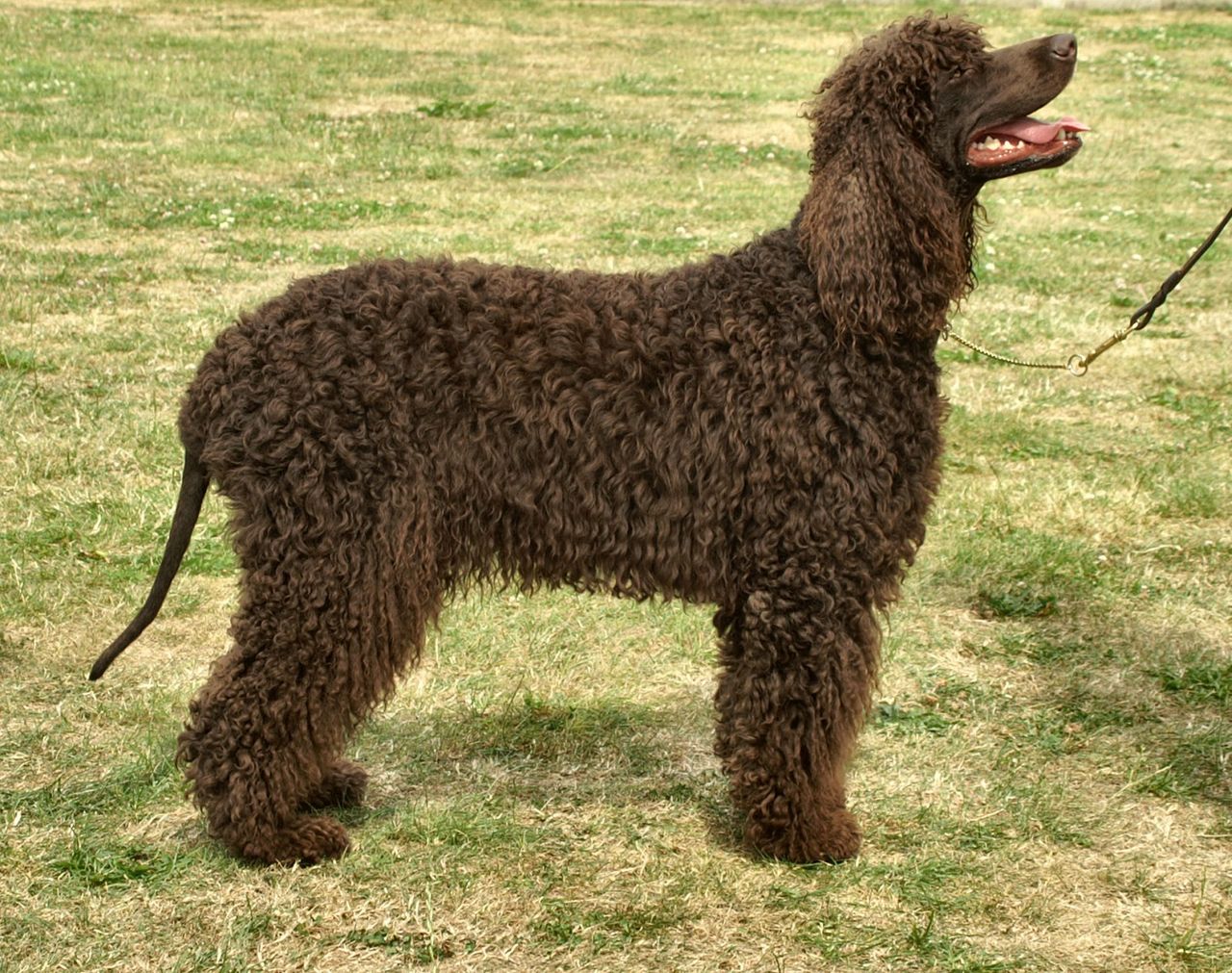
The Standard Poodle, known for its thick, curly coat and was used by hunters to retrieve game from water. The breed is intelligent and trainable, traits that contribute to the Mastidoodle's high trainability and gentle temperament. The breed's popularity has grown over the years, with the AKC registering over 300,000 Poodles annually in the United States.
Physical Characteristics
The Mastidoodle is a large breed, with males weighing between 54-91 kg and standing at 66-81 cm, while females weigh between 45-73 kg and stand at 61-76 cm. This size makes them a suitable choice for families looking for a large, protective pet.
The Poodle's coat is a notable feature, with a distinctive thick, curly texture that comes in many colors and patterns, including black, white, apricot, and gray. The Standard Poodle's coat is particularly valued for its hypoallergenic properties, which the Mastidoodle inherits, though not to the same extent as the purebred Poodle.
Temperament and Personality
The Mastidoodle is known for its gentle, intelligent, loyal, and protective nature. This breed is calm and generally friendly, making it a good fit for households with children and other pets. Their intelligence and trainability make them easy to train, although they may require consistent and patient training due to their Mastiff heritage. This can be particularly challenging for new dog owners, as training a Mastidoodle requires a strong, confident handler.
The Poodle's intelligence and ability to learn from humans contribute to the Mastidoodle's high trainability. This breed is likely to excel in obedience and agility training, enjoying the mental stimulation and physical exercise these activities provide. The Mastidoodle's protective instincts are a result of the Mastiff's influence, making them excellent guard dogs. However, their friendly disposition means they are unlikely to be aggressive unless provoked.
The Mastidoodle's temperament can also be influenced by the specific mix of Mastiff and Poodle in their heritage. Some Mastidoodles may inherit more of the Mastiff's protective nature, while others may be more like the Poodle, with a friendly and outgoing personality.
Health Considerations
The Poodle, known for its intelligence, may be susceptible to hip dysplasia, a condition where the hip joint does not fit together perfectly, causing pain and lameness. This condition can be particularly problematic in larger breeds like the Mastidoodle, which can lead to mobility issues and the need for veterinary intervention.
The Mastiff's heritage may also predispose the Mastidoodle to certain health issues, such as bloat, a life-threatening condition where the stomach fills with gas and twists. This condition requires immediate veterinary attention and can be fatal if not treated promptly.
Other potential health concerns for the Mastidoodle include skin allergies, which can be triggered by environmental factors or certain foods, and von Willebrand's disease, a blood disorder that can lead to excessive bleeding.
Life Span and Care
The Mastidoodle has a life span of 8-12 years, similar to the Poodle's average lifespan of 10-18 years. This lifespan is influenced by various factors, including genetics, diet, and exercise.
The Mastidoodle's grooming needs are moderate compared to the Poodle, but they do require regular brushing and occasional professional grooming to keep their coat in good condition. Their teeth may also require regular cleaning to prevent dental issues. This is particularly important for a breed that is both intelligent and protective, as dental health can impact overall well-being.
Compatibility and Lifestyle
The Mastidoodle is a good choice for active families or individuals who enjoy outdoor activities. Their moderate energy level makes them suitable for homes with a yard where they can run and play. However, their size and potential for shedding may not be ideal for those living in small apartments or with severe allergies.
Due to their protective nature, the Mastidoodle may be overly cautious with strangers, requiring proper socialization to ensure they are friendly and not overly aggressive. Socialization should begin early and continue throughout the dog's life to help them develop a well-rounded temperament.
Given their intelligence and trainability, the Mastidoodle can adapt well to various living situations, as long as they receive adequate exercise, mental stimulation, and consistent training.
Buying a Mastidoodle
Prices can range from $1,000 to $3,000 or more. Be prepared for the ongoing costs of pet ownership, including veterinary care, grooming, and food. The Mastidoodle's moderate grooming needs and health considerations should be taken into account when budgeting for pet care.
Before bringing a Mastidoodle into your home, consider the space available, your lifestyle, and your ability to provide the necessary care and attention this breed requires.
Frequently Asked Questions
What is the lifespan of the Mastidoodle?
The average lifespan of the Mastidoodle is about 8-12 years. Good nutrition and regular veterinary care support a healthy life.
What is the temperament of the Mastidoodle?
The Mastidoodle is known for: Gentle, Intelligent, Loyal, Protective, Calm. Its energy level is low.
What size and weight is the Mastidoodle?
It is a large dog, typically around Male: 54-91; Female: 45-73 kg as an adult.
Is the Mastidoodle easy to care for?
Reliable grooming and shedding ratings are not available. Routine brushing, ear and dental care, and nail trims are still recommended.
Is the Mastidoodle good with kids and other pets?
Reliable child- and pet-friendliness ratings are not available. Supervised, gradual introductions are recommended.
How much exercise does the Mastidoodle need?
With a low energy level, it needs walks, play or training matched to its stamina.
Mastidoodle
Trait Scores
N/A