Origin and History
The Maremma Sheepdog, also known as the Maremmano-Abruzzese Sheepdog, is an Italian breed with a rich history rooted in the central regions of Italy. Indigenous to the Maremma and Abruzzo regions, this breed has been used by Italian shepherds for centuries to guard sheep from predators, particularly wolves. The name "Maremmano" originates from the Maremma marshlands, where shepherds, dogs, and sheep would over-winter until recently, despite the decline of sheep-farming in the area. The "Abruzzese" part of the name refers to the breed's widespread presence in Abruzzo and surrounding areas.
Historical records and iconography dating back to ancient Roman times depict white flock guardian dogs, which may be ancestors of the Maremma Sheepdog. Artworks from the 14th century and earlier, such as frescoes and statuettes, provide insight into the breed's historical role as a livestock guardian. The breed's first registration in the Libro delle Origini Italiano of the Kennel Club Italiano occurred in 1898, marking the beginning of its formal recognition. The Maremma and Abruzzese were initially considered separate breeds but were unified in 1958 by the ENCI, the national dog association of Italy.
Until the 1860s, the regions of Abruzzo and Maremma were in different countries, which explains the historical separation of the breeds. The annual migration of sheep flocks from the Abruzzo mountains to the coastal pastures of Maremma was a pivotal event in the region's culture, and the Maremmano dogs played a crucial role in this transhumance, remaining an integral part of Abruzzese culture even as sheep farming has evolved.
Physical Characteristics
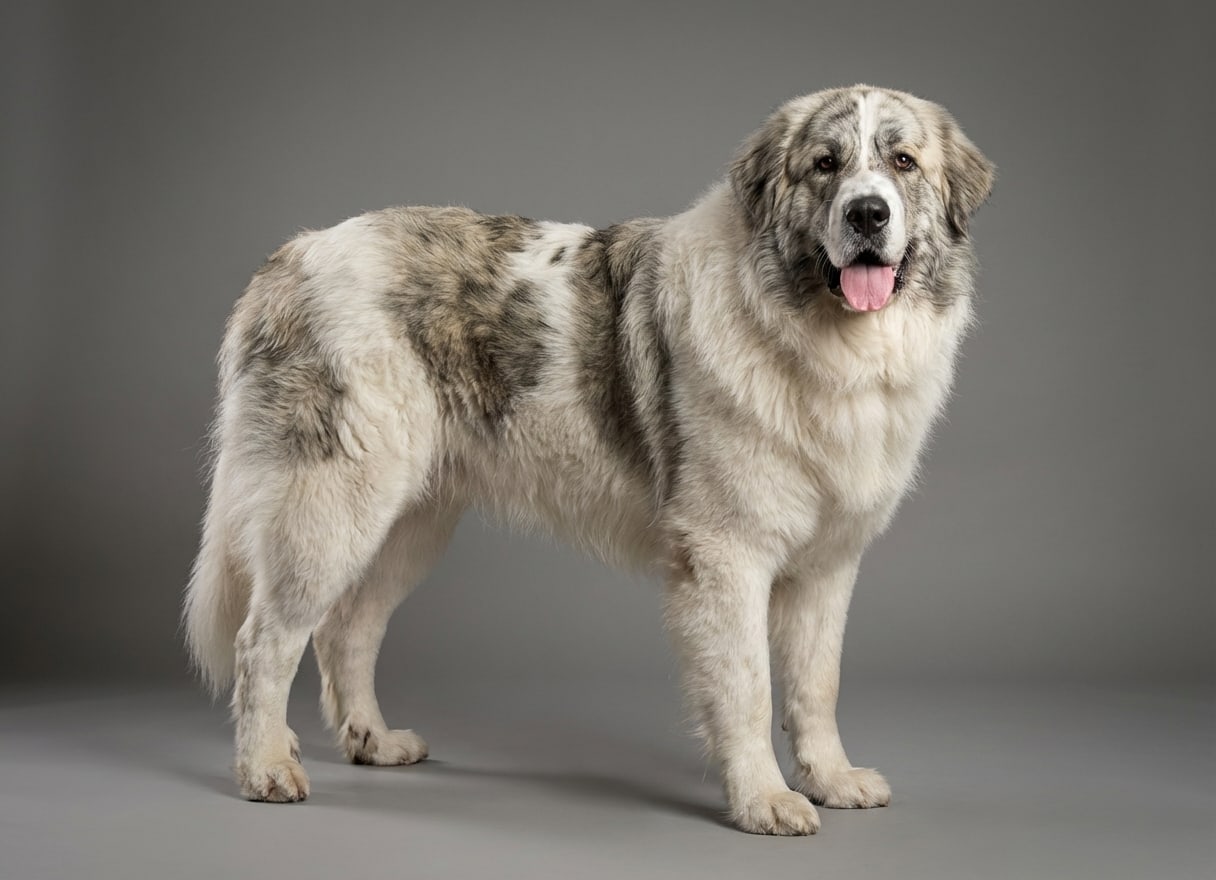
The Maremma Sheepdog is a large, robust breed with a distinctive appearance. Males typically weigh between 35-45 kg (75-100 lb) and stand 65-73 cm (26-29 in) at the shoulder, while females weigh 30-40 kg (65-90 lb) and stand 61-68 cm (24-27 in). These dogs have a solid, muscular build, a thick white coat, and a large head with a black nose. The coat is long and thick, rough to the touch, and forms a thick collar around the neck. The breed's coat should be solid white, with some minor yellowing permissible.
The breed's physical characteristics are well-suited to its working role as a livestock guardian. The breed's alertness and protective nature are further enhanced by its strong sense of loyalty and independence, traits that have been honed through centuries of working alongside shepherds.
It is worth noting that the breed has a median age at death of 7.5 years, which is slightly lower than the median age of 10 years for all dogs in Italy. This suggests that the Maremma Sheepdog may be predisposed to certain health conditions that affect its longevity, a topic that is further explored in the health section below.
Temperament and Behavior
The Maremma Sheepdog is known for its protective, independent, loyal, alert, and calm temperament. These dogs are highly devoted to their families and have a natural instinct to guard and protect. Their protective nature is particularly evident when it comes to their livestock, as they have been bred to deter predators such as wolves and stray dogs. However, this protective instinct also extends to their human families, making them excellent guardians in a home setting.
The breed's independence is a double-edged sword; while it can be a positive trait, it may also lead to challenges in training and socialization. Maremma Sheepdogs require a confident and experienced handler who can establish clear boundaries and provide consistent leadership.
Despite their protective nature, Maremma Sheepdogs are generally friendly and can be good with children and other pets, especially if they are raised with them from a young age. Their calm demeanor makes them suitable for households looking for a loyal companion that is not overly energetic or demanding.
Working Abilities
The Maremma Sheepdog's primary purpose is as a livestock guardian, a role it has excelled at for centuries. These dogs work in groups, with three or four typically being sufficient to protect a flock of sheep from predators. Their function is primarily to deter predators through their presence and behavior rather than engaging in physical combat.
The breed's working ability is enhanced by its strong sense of loyalty and independence. They are capable of working independently to guard their flock, yet they also work well in a team, learning from and supporting each other. The breed's intelligence and adaptability to different environments and situations have made them valuable in various regions and settings, from the Italian countryside to sheep farms in Australia, Israel, New Zealand, and the United States.
Without sufficient activity, these dogs may become bored or exhibit undesirable behaviors.
Health Considerations
While the median age at death is 7.5 years, which is lower than the median age for all dogs in Italy, there are no specific health conditions mentioned in the reference text. However, owners should be aware of potential issues such as hip dysplasia, which can be a concern in large breeds, and bloat, a serious condition that can affect dogs with deep chests.
Care and Maintenance
Caring for a Maremma Sheepdog requires attention to its physical and mental needs. Brushing once or twice a week is typically sufficient, although more frequent grooming may be necessary during shedding periods.
Mental stimulation is also important, as these dogs can become bored or exhibit destructive behaviors if not provided with appropriate challenges.
Training should begin early and should focus on establishing clear boundaries and providing consistent leadership. Maremma Sheepdogs respond well to positive reinforcement training methods, which can help them develop into well-behaved and well-adjusted dogs.
Buying and Owning a Maremma Sheepdog
When considering the purchase of a Maremma Sheepdog, potential owners should be prepared for the responsibilities and costs associated with owning this breed. The initial cost of purchasing a Maremma Sheepdog can vary, but it is generally higher for purebred dogs with a strong lineage and working ability.
A responsible breeder will provide a health guarantee and be willing to answer questions about the breed's characteristics and care requirements.
The breed's potential for health issues, such as hip dysplasia and bloat, should be factored into the overall cost of ownership.
These dogs require a home with ample space for exercise and mental stimulation, as well as a family or individual willing to provide consistent leadership and training.
Frequently Asked Questions
What is the lifespan of the Maremma Sheepdog?
The average lifespan of the Maremma Sheepdog is about 11-13 years. Good nutrition and regular veterinary care support a healthy life.
What is the temperament of the Maremma Sheepdog?
The Maremma Sheepdog is known for: Protective, Independent, Loyal, Alert, Calm. Its energy level is low.
What size and weight is the Maremma Sheepdog?
It is a large dog, typically around Male: 35-45; Female: 30-40 kg as an adult.
Is the Maremma Sheepdog easy to care for?
Reliable grooming and shedding ratings are not available. Routine brushing, ear and dental care, and nail trims are still recommended.
Is the Maremma Sheepdog good with kids and other pets?
Reliable child- and pet-friendliness ratings are not available. Supervised, gradual introductions are recommended.
How much exercise does the Maremma Sheepdog need?
With a low energy level, it needs walks, play or training matched to its stamina.
Maremma Sheepdog
Trait Scores
N/A