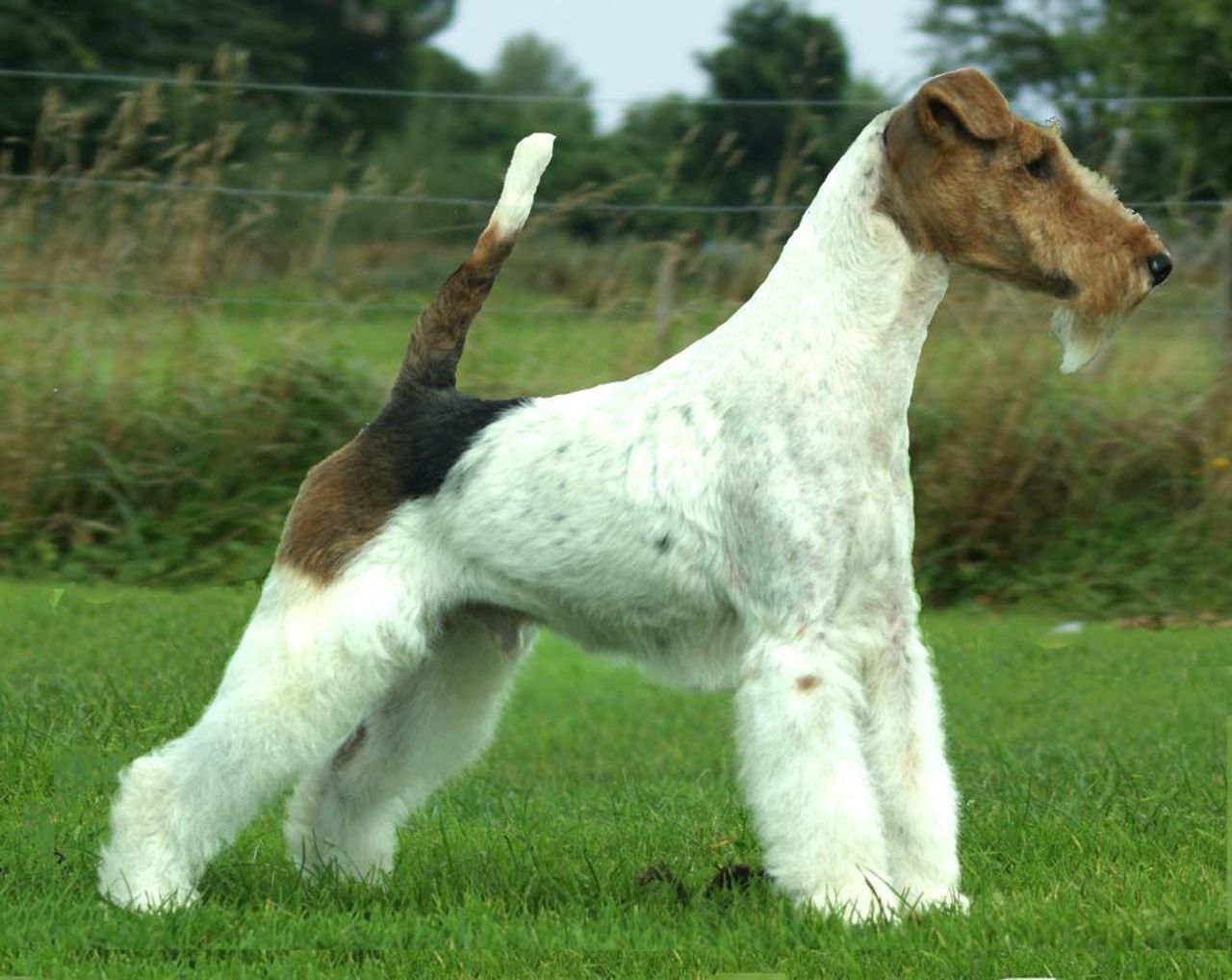
Origins and History
The Manchester Terrier originated in Manchester, England, in the 19th century, primarily bred for controlling vermin, notably rats, and was highly efficient at the task. The sport of rat baiting, in which terriers were thrown into enclosures filled with rats, became popular, and the Manchester Terrier excelled at it. This sport had been illegal in the UK since 1835 and was effectively extinct by the early 20th century.
The breed was developed from the Black and Tan Terrier and the Whippet. It was recognized as an established breed by the early 19th century and was known as the "Gentleman's Terrier" due to its dignified demeanor and breeding standards set by John Hulme, who crossed a Black and Tan Terrier with a Whippet. By 1860, Manchester had become the breed center for these terriers.
Following the Second World War, the number of registered Manchester Terriers dropped dramatically, leading to the Kennel Club classifying the breed as a vulnerable native breed. Thanks to the efforts of the British Manchester Terrier Club and other enthusiasts, the breed survived and has since been categorized as a vulnerable native breed, with an average of 177 births per year registered between 2017 and 2021. The breed's registry history is marked by its classification as a native breed, reflecting its connection to the region of its origin.
Physical Appearance
The Manchester Terrier is a sleek, elegant terrier with a distinctive black-and-tan coat and a keen, alert expression. It stands at a height of 38-41 cm and weighs between 5-10 kg, with a medium-sized coat length and a high energy level. The breed's coat is smooth, with a long tapering nose, narrow flat skull, small and bright eyes, a chest that is deep rather than wide, and a true black and tan color. The coat's color standard is strictly adhered to, with the black and tan pattern being a hallmark of the breed.
The American and Canadian Kennel Clubs recognize two varieties of the Manchester Terrier: the Standard and the Toy Manchester Terrier. The Toy Manchester Terrier has been recognized as a separate breed by the American Kennel Club since 1938 but is still considered a separate breed by the British Kennel Club, known as the English Toy Terrier (Black & Tan). The two varieties have the same overall appearance, except for size and ear type, with the Toy Manchester Terrier having erect ears. The breed's physical diversity is recognized by different registries, reflecting the breed's adaptability and popularity across various regions.
According to the Kennel Club's Purebred Health Survey from 2004, the median lifespan of the Manchester Terrier is around 12 years and 10 months. Slightly over 31% of the animals whose deaths were reported in the survey died of old age, and there are recognized health problems in the breed associated with inheritable genetic mutations. The breed's longevity and health are monitored through registry data, providing valuable insights into the breed's overall well-being.
Temperament and Traits
The Manchester Terrier is known for its alert, intelligent, loyal, energetic, spirited, and independent temperament. It is considered to be feisty and affectionate, courageous, and tough, making it a loyal and eager-to-please companion. The breed's history as a working terrier, alongside its hunting and rat-killing background, contributes to its spirited and tenacious nature. The breed's temperament is a reflection of its working heritage, emphasizing its versatility and adaptability.
Despite having a terrier lineage, the Manchester Terrier does not possess the typically stoic and dour nature associated with some terrier breeds. The breed is known for its independence and can sometimes be reserved with strangers. This trait is a result of the breed's selective breeding for specific working abilities, which has also shaped its social behavior.
Health Considerations
The Manchester Terrier is generally a healthy breed but can be affected by several inheritable genetic disorders. One such condition is secondary glaucoma, which is caused by excessive pressure within the eyeball and can lead to the lens of the eye being forced out of alignment. Surgical removal of the lens is the only effective treatment for this condition.
Another condition affecting the Manchester Terrier is Von Willebrand's disease, a blood-clotting disorder. This genetic mutation occurs in both the standard and toy varieties, but it is seen more commonly in the toy. Affected dogs may experience nose bleeds and bleeding from the gums. DNA tests are available to check for the condition, and the Kennel Club maintains a register of test results to assist breeders in avoiding breeding from affected dogs.
The breed has a median lifespan of approximately 12 years and 10 months, with over 31% of reported deaths occurring due to old age. The breed's lifespan and health statistics are a crucial factor for potential owners to consider when choosing a Manchester Terrier.
Rescue and Breeding Considerations
Given the Manchester Terrier's vulnerable native breed status and the historical decline in registrations, individuals interested in this breed should consider adopting from rescue organizations that specialize in purebred dogs. This helps ensure the survival and well-being of the breed while also providing a loving home for a displaced Manchester Terrier.
This approach also contributes to the overall longevity and quality of the Manchester Terrier population. Rescue and adoption programs play a vital role in maintaining the breed's genetic diversity and health.
This breed is not recommended for passive or inactive homes, as its spirited nature and energy can be overwhelming without proper exercise and mental stimulation. Potential owners should be prepared to provide ample physical and mental activity to keep their Manchester Terrier happy and healthy.
Buyer's Checklist and Cost Realism
- Consider the need for training due to the breed's high intelligence and independence.
- Look for a breeder committed to responsible practices, including health clearances and genetic testing.
- Be aware of the breed's vulnerability status and consider the commitment to its future as a native breed. Owning a Manchester Terrier involves a responsibility to support the breed's preservation.
Regular expenses include veterinary care, food, and grooming, with an estimate of annual costs ranging from $1,200 to $1,500. Potential owners should be financially prepared for these ongoing responsibilities, ensuring that they can provide the best care for their Manchester Terrier.
Frequently Asked Questions
What is the temperament of the Manchester Terrier?
The Manchester Terrier is known for: Alert, Intelligent, Loyal, Energetic, Spirited, Independent. Its energy level is high.
What size and weight is the Manchester Terrier?
It is a medium-sized dog, typically around 5-10 kg as an adult.
Is the Manchester Terrier easy to care for?
Reliable grooming and shedding ratings are not available. Routine brushing, ear and dental care, and nail trims are still recommended.
Is the Manchester Terrier good with kids and other pets?
Reliable child- and pet-friendliness ratings are not available. Supervised, gradual introductions are recommended.
How much exercise does the Manchester Terrier need?
With a high energy level, it needs walks, play or training matched to its stamina.
Manchester Terrier
Trait Scores
N/A