Origin and History
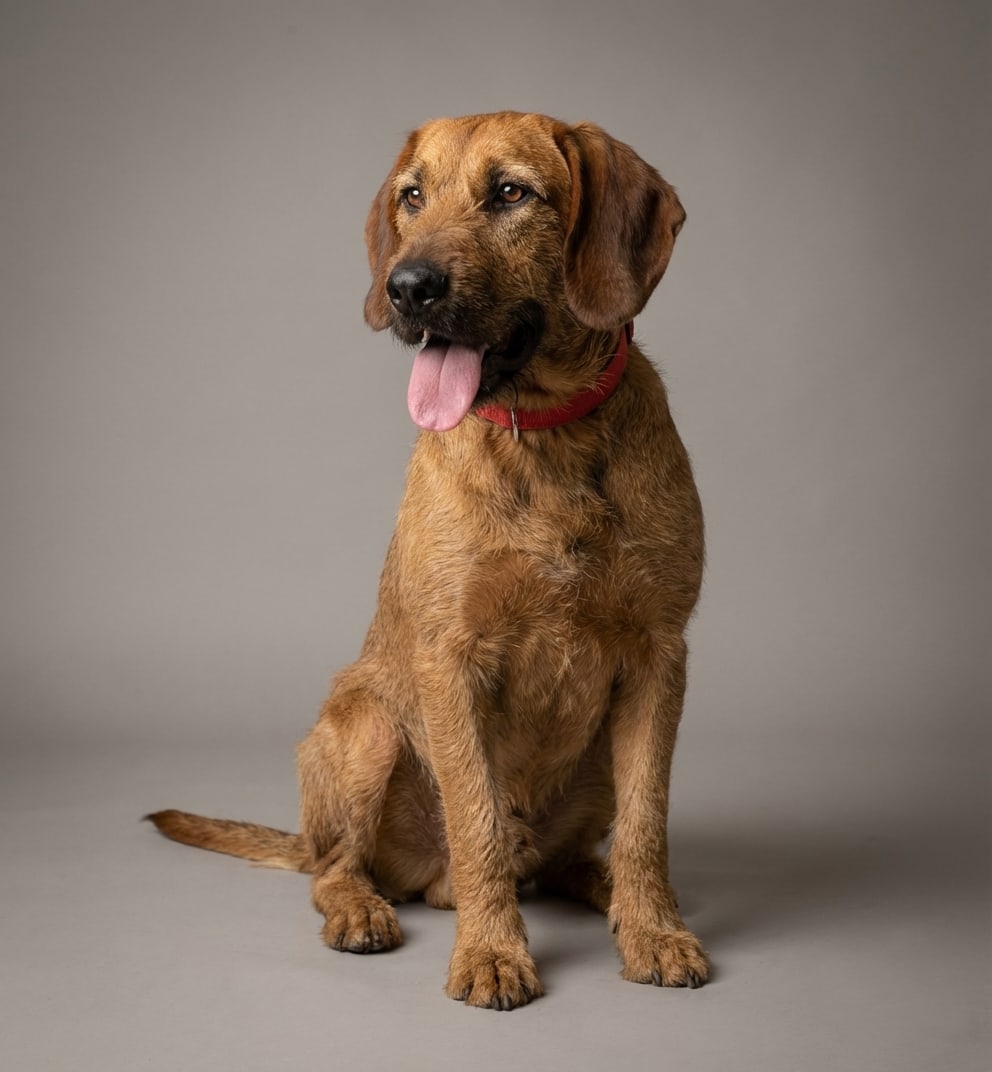
The Majorca Shepherd Dog, also known as Ca de Bestiar in its native land, is a breed that originated from the Balearic Islands of Spain, specifically the island of Mallorca. These dogs have historically served as shepherds, watchdogs, and guardians of rural properties. The exact origins of the breed remain a mystery, but the first descriptions of the breed can be traced back to the nineteenth century. In 1980, the Ca de Bestiar was officially recognized by the Real Sociedad Central para el Fomento de las Razas Caninas en España. This recognition was further solidified when the breed was definitively accepted by the Fédération Cynologique Internationale in 1982. The breed was officially recognized as a national breed by the Spanish Ministry of Agriculture in 2001. To further support the breed's preservation and development, the Club del Ca de Bestiar, a breed association, was recognized by the Balearic Island government in 2002.
As of 2024, the total number of Majorca Shepherd Dogs was reported to be 507, which is more than twice the number of the other large dog breed on the Balearic Islands, the Ca de Bou. Despite this, both breeds were considered vulnerable by the Real Sociedad Canina de España in 2026, emphasizing the need for ongoing efforts to protect and preserve these breeds.
Breed Characteristics
The Majorca Shepherd Dog is a medium-sized breed, with a body weight typically ranging around 40 kg. Males usually stand between 66 to 73 cm at the withers, while females are between 62 to 68 cm. The breed features a short, smooth outer coat that is about 1.5–3 cm in length, with a thin fine undercoat. While the national and international breed standards describe a longer coat variant, it is rare or possibly extinct. The only recognized coat color is black, which may come in various shades, and some dogs may have a white patch on the chest. The ears of the Majorca Shepherd Dog are triangular in shape and hang close to the head, contributing to their noble appearance. The skin is pale grey, and the overall conformation reflects the breed's role as a robust and protective animal.
Temperament and Traits
The Majorca Shepherd Dog is known for its loyal, intelligent, protective, courageous, and devoted temperament. This breed combines strength and agility with protective instincts, making it an excellent choice for a working dog. The dogs are highly territorial, especially the males, and may be combative among themselves. Their low friendliness and medium shedding level make them better suited for households with older children or adults who can manage their protective nature. With a high level of trainability, the Majorca Shepherd Dog responds well to structured training and can excel in tasks that require their intelligence and protective drive. This breed is also known for its strong hunting instincts, which can be a challenge for owners.
Health Considerations
The Majorca Shepherd Dog's short coat and pale skin make them susceptible to sunburn and overheating, so precautions should be taken during hot weather. Owners should also be vigilant about maintaining good dental hygiene due to the breed's strong jaw and teeth. Common health issues in this breed include hip dysplasia, which can lead to mobility problems, and glaucoma, a condition that affects the eyes and can cause blindness.
Living with a Majorca Shepherd Dog
Living with a Majorca Shepherd Dog requires a committed owner who can provide the necessary exercise, training, and socialization. These dogs need ample physical activity to stay healthy and mentally stimulated. A securely fenced yard allows them to exercise and express their protective instincts safely. Due to their protective nature, Majorca Shepherd Dogs may not be the best fit for first-time dog owners. They need a confident handler who can establish clear rules and boundaries.
Breed Standards and Registry
In 1980, the Majorca Shepherd Dog breed standard was approved, outlining the characteristics that define the breed. This standard was instrumental in the breed's recognition by the Fédération Cynologique Internationale in 1982 and by the Spanish Ministry of Agriculture in 2001. The Club del Ca de Bestiar, a breed association, was recognized by the Balearic Island government in 2002, further solidifying the breed's status and ensuring the preservation of its characteristics. The breed's registry, managed by the Club del Ca de Bestiar, keeps track of the breed's population and maintains the breed's genetic health.
As of 2024, there were 507 Majorca Shepherd Dogs, making it the more numerous of the two large dog breeds on the Balearic Islands. However, both breeds were listed as vulnerable by the Real Sociedad Canina de España in 2026, highlighting the need for continued efforts to preserve the breed's genetic diversity and health.
Buying Checklist
- Ensure the breeder is reputable and registered with a recognized kennel club.
- Ask about the dog's health history and any known genetic conditions, such as hip dysplasia and glaucoma.
- Observe the dog's temperament and behavior in the presence of its family and other dogs to assess its compatibility with your lifestyle.
- Be prepared for the long-term commitment of owning a dog with an average lifespan of 11-13 years.
This breed is not suitable for everyone, but for those who can provide the right environment and care, the Majorca Shepherd Dog can be a wonderful addition to the family. Potential owners should be aware of the breed's specific needs and be prepared to invest time and resources into their care and well-being.
Frequently Asked Questions
What is the lifespan of the Majorca Shepherd Dog?
The average lifespan of the Majorca Shepherd Dog is about 11-13 years. Good nutrition and regular veterinary care support a healthy life.
What is the temperament of the Majorca Shepherd Dog?
The Majorca Shepherd Dog is known for: Loyal, Intelligent, Protective, Courageous, Devoted. Its energy level is moderate.
What size and weight is the Majorca Shepherd Dog?
It is a large dog, typically around Male: 35-40; Female: 30-35 kg as an adult.
Is the Majorca Shepherd Dog easy to care for?
Reliable grooming and shedding ratings are not available. Routine brushing, ear and dental care, and nail trims are still recommended.
Is the Majorca Shepherd Dog good with kids and other pets?
Reliable child- and pet-friendliness ratings are not available. Supervised, gradual introductions are recommended.
How much exercise does the Majorca Shepherd Dog need?
With a moderate energy level, it needs walks, play or training matched to its stamina.
Majorca Shepherd Dog
Trait Scores
N/A