Origin and Historical Background
The Mackenzie River Husky, a large and powerful landrace of freighting sled dog, originated in the northern Canadian region of the Mackenzie River, specifically in the Northwest Territories. This breed was developed to support fur traders for the Hudson's Bay Company and prospectors during the Klondike Gold Rush.
Historically, the Mackenzie River Husky is a blend of native sled dogs and European freighting dogs, such as mastiffs, Newfoundland Dogs, Saint Bernards, and similar breeds. The breed became highly sought after for its ability to haul heavy loads over long distances in the snow with minimal care. However, the advent of modern mechanized travel in the Arctic has led to a decline in the breed's use for cargo transport, and today, only small populations of these dogs exist.
By the 1860s, the Mackenzie River Husky was highly prized throughout northern Canada and Alaska. The Klondike Gold Rush further solidified its reputation, but it also caused confusion among newcomers, who often referred to all freighting sled dogs as Mackenzie River Huskies, regardless of their origin. The breed's population began to decline significantly in the 1950s and 1960s due to the introduction of mechanized Arctic travel and the Canadian government's attempts to eradicate native dog teams.
This decline was compounded by the 1962 ban on dog sledding in the Northwest Territories, which was a significant blow to the breed's use and popularity.
Physical Appearance
The Mackenzie River Husky is a large, rangy dog, standing at 66 to 74 cm (26 to 29 inches) in height and weighing between 29 to 47 kg (63 to 104 pounds). They are known for their deep-chested, long-legged build, which is well-suited for heavy freighting in single file through deep snow.
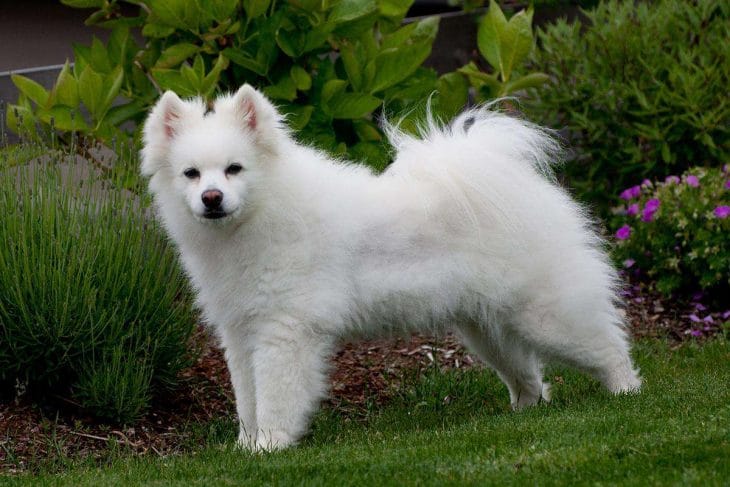
Their coat is typically long, providing insulation against the cold weather of the sub-arctic regions. The coat colors can range from black and white to shades of grey, sable, tan, blond, and red. This variety in coloration is a characteristic of the breed's diverse genetic background, which includes influences from the Alaskan Malamute, the Alaskan Klee Kai, and the Samoyed.
Temperament and Behavior
Contemporary sources describe the Mackenzie River Husky as solid and dependable dogs, often displaying loyalty and intelligence. They are known for their independence and work-focused nature, which makes them ideal for their original purpose as sled dogs.
They do not make good watchdogs, but they are alert and enjoy their work, particularly in a sled dog context. Their temperament is also noted for being reserved and protective of their owners and territory, which is a trait inherited from their working heritage.
Health and Genetics
The Mackenzie River Husky has a lifespan of 10 to 15 years, which is relatively long for a working dog breed.
The breed's genetic background is a mix of native sled dogs and European freighting dogs, which contributes to their strength and endurance. However, the exact genetic composition of the Mackenzie River Husky is complex, reflecting its diverse ancestry. Health concerns for this breed include hip dysplasia, which can be particularly problematic due to their large size and active lifestyle.
Working Purpose
The Mackenzie River Husky was bred for a working purpose, specifically as a sled dog. Their exceptional endurance, strength, and adaptability to cold weather made them invaluable for freight hauling in the sub-arctic regions of Canada.
While the use of dogsleds for cargo transport has significantly declined due to the advent of mechanized travel, the breed's working instincts remain intact. The Mackenzie River Husky can still excel in activities that require strength, endurance, and teamwork, such as mushing or dog sports. Their competitive nature and agility make them sought after in agility trials and sled dog races.
Living with a Mackenzie River Husky
Owners should be prepared to provide daily opportunities for physical activity, such as walks or runs, as well as activities that stimulate their intelligence and working instincts. This breed requires a substantial amount of exercise to prevent behavioral issues and maintain physical health.
Given their independent nature, these dogs may not be the best choice for first-time dog owners. They require a confident, experienced handler who can provide clear leadership. The Mackenzie River Husky may not be the most sociable dog, as they tend to be reserved with strangers and can be less friendly than other breeds, which is a trait that reflects their protective nature.
Breed Registries and Populations
The Mackenzie River Husky is not recognized by any major kennel clubs or breed registries. This lack of official recognition has contributed to the breed's rarity and has made it challenging for enthusiasts to track their populations.
Estimates suggest that there are fewer than 500 purebred Mackenzie River Huskies worldwide, with the majority found in Canada and a smaller number in the United States.
Buying a Mackenzie River Husky
When considering the purchase of a Mackenzie River Husky, potential owners should research reputable breeders who prioritize health and temperament. Given the breed's rarity, it may be challenging to find a purebred individual, and those who do are often part of closed breeding programs aimed at preserving the breed's unique characteristics.
Owning a Mackenzie River Husky is an investment in time and resources, as the breed requires a significant commitment to exercise, grooming, and care. Potential owners should also be prepared for veterinary expenses, especially regarding hip dysplasia and other genetic health issues that may arise.
Before purchasing, potential owners should assess whether their lifestyle aligns with the needs of this energetic and independent breed. The Mackenzie River Husky is best suited for active families or individuals who can provide a stable, consistent environment that accommodates their working and exercise requirements.
Frequently Asked Questions
What is the lifespan of the Mackenzie River Husky?
The average lifespan of the Mackenzie River Husky is about 10-15 years. Good nutrition and regular veterinary care support a healthy life.
What is the temperament of the Mackenzie River Husky?
The Mackenzie River Husky is known for: Independent, Hardy, Work-focused, Loyal, Intelligent, Alert. Its energy level is moderate.
What size and weight is the Mackenzie River Husky?
It is a large dog, typically around Male: 39-64; Female: 34-54 kg as an adult.
Is the Mackenzie River Husky easy to care for?
Reliable grooming and shedding ratings are not available. Routine brushing, ear and dental care, and nail trims are still recommended.
Is the Mackenzie River Husky good with kids and other pets?
Reliable child- and pet-friendliness ratings are not available. Supervised, gradual introductions are recommended.
How much exercise does the Mackenzie River Husky need?
With a moderate energy level, it needs walks, play or training matched to its stamina.
Mackenzie River Husky
Trait Scores
N/A