Origin and Historical Context
The Lurcher, a term derived from the old English verb "lurch," meaning to lurk or steal, originated in Great Britain and Ireland. First used in 1668 to describe a crossbreed of a sighthound with another type of dog, such as a collie, terrier, or working dog, the Lurcher has a history intertwined with poaching. Historically, only those with land or income over ten pounds per annum were allowed to keep hunting dogs, which led to the breeding of sighthounds with other breeds to disguise their bloodline and enhance their abilities, such as intelligence, stamina, and turning speed.
This practice was particularly common with breeds like the collie or terrier, which could contribute a thick rough coat and additional abilities to the mix. The Lurcher's role as a poaching assistant became significant until 1831, when game laws were modified. This change, which limited the hunting of game on certain lands, reduced the need for the Lurcher's stealthy and swift hunting capabilities.
In the 19th century, some rough-haired regional greyhounds were banned from competition due to concerns about their hunting tactics, leading to the broader use of the term "lurcher" to describe similar dogs. These dogs, known as longdogs, were not formally recognized by major kennel clubs and were often cross-bred for their versatile abilities. This crossbreeding included the English Greyhound, the Irish Wolfhound, the Boxer, and the Airedale Terrier, among others.
Breed Characteristics
The Lurcher is an athletic, lean sighthound crossbreed, combining the speed, agility, and stamina traditionally used for hunting and coursing. They are known for their versatility as a cross between sighthounds and pastoral or terrier breeds, making them adaptable to various roles such as herding, hunting, and companionship.
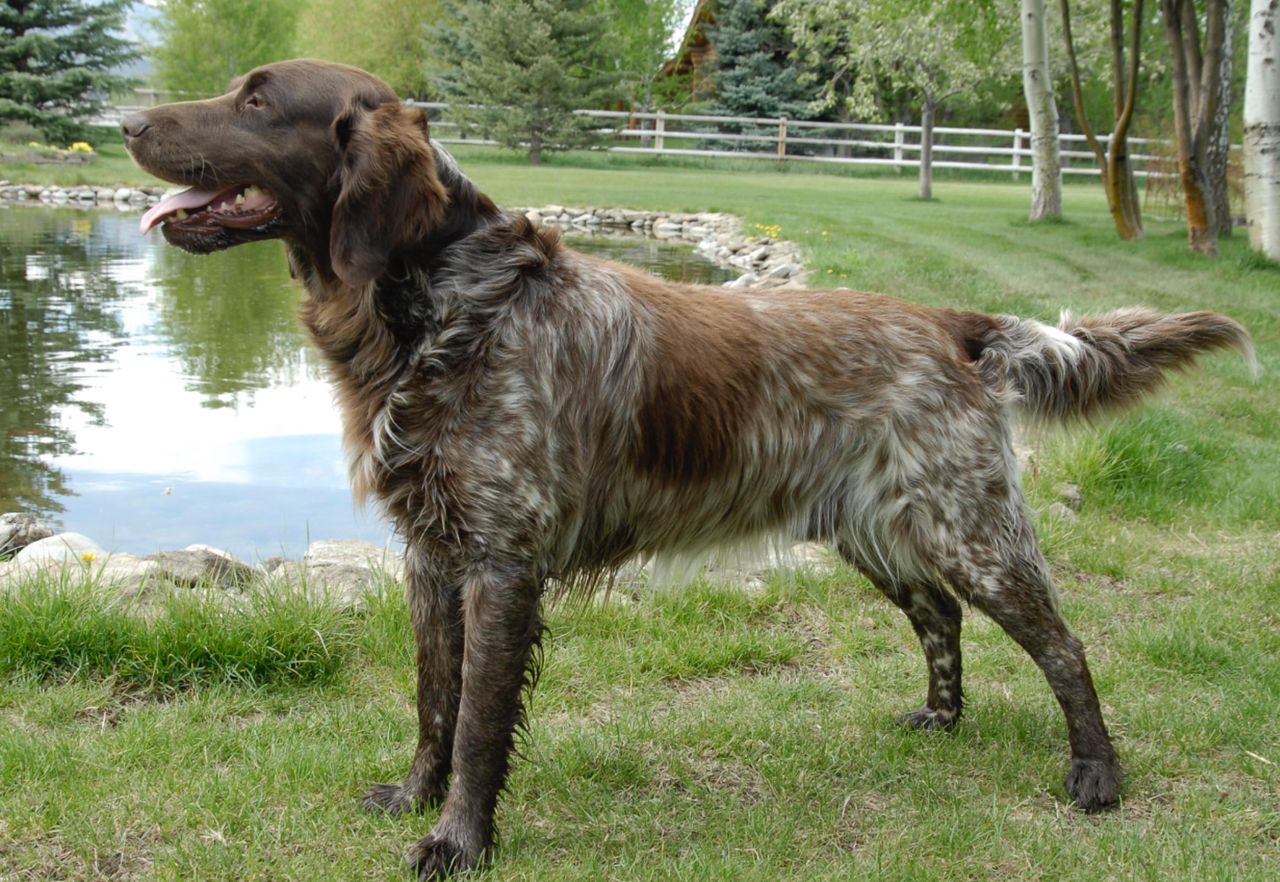
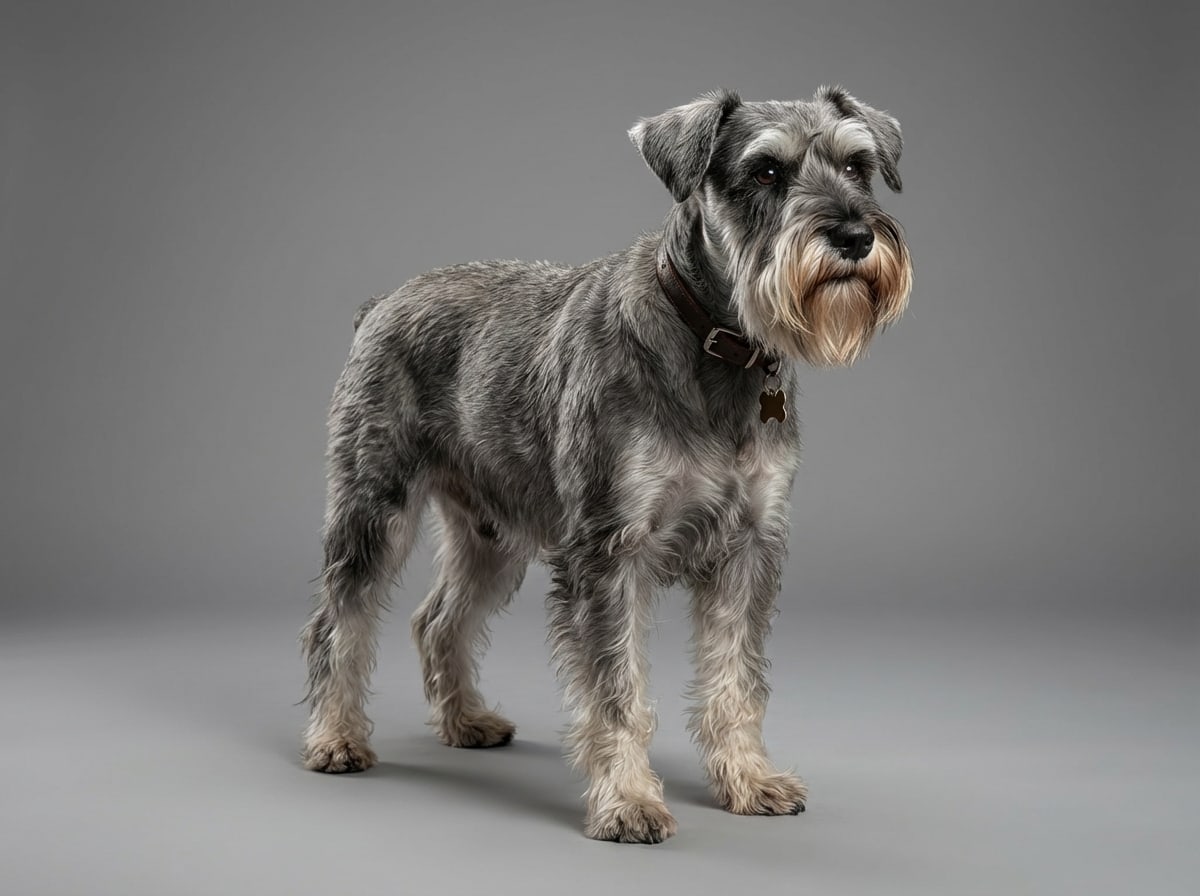
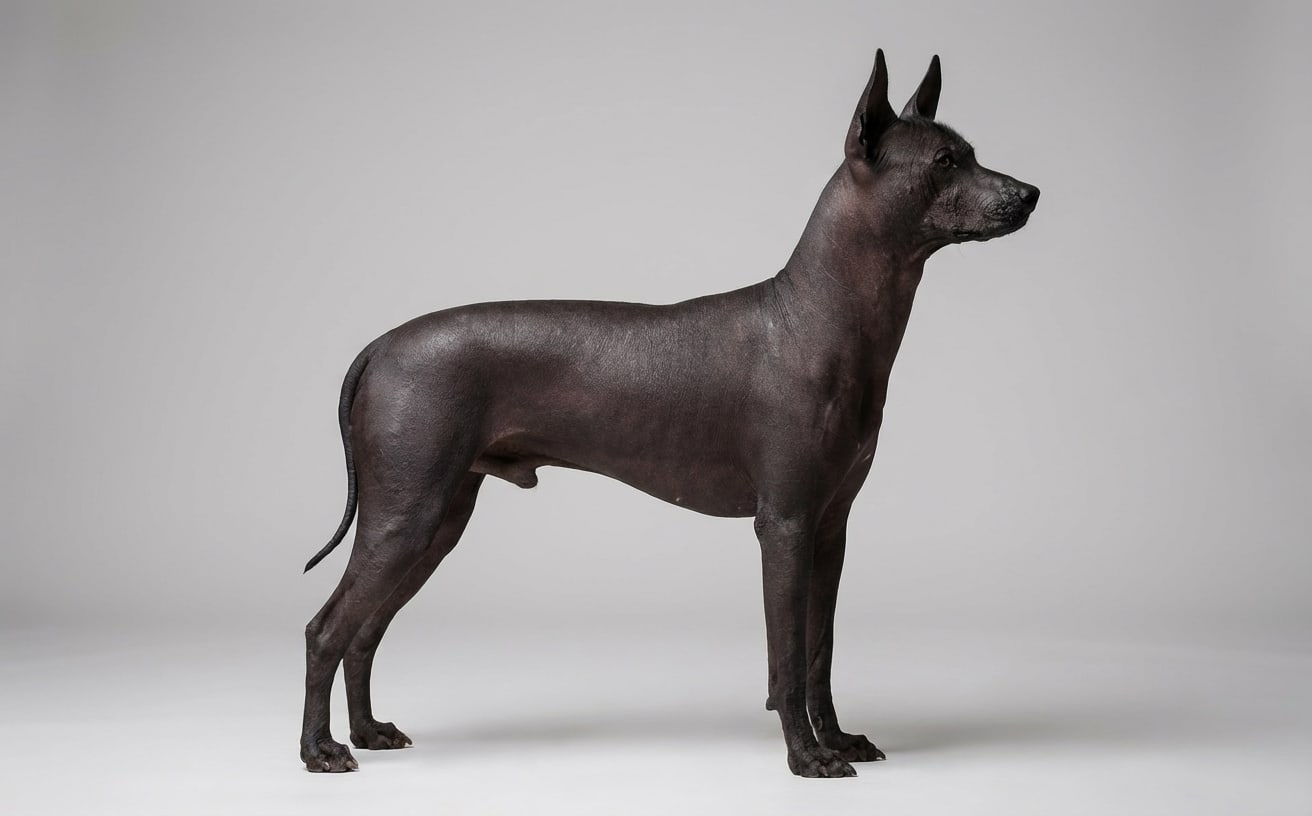
These dogs are large in size, with a medium-length coat that can be rough, smooth, or wiry, depending on the influence of the parent breeds. Their coat color can range from solid colors to speckled patterns, with black and tan being common. They have medium energy levels and a moderate shedding pattern, which may increase during seasonal changes.
Male Lurchers typically weigh between 27-36 kg and stand at 66-76 cm tall, while females weigh between 23-32 kg and stand at 61-71 cm.
Temperament and Behavior
They are known for their gentle nature and loyalty, making them affectionate companions. This affection often extends to other family members and pets, but they may exhibit a degree of wariness towards strangers due to their natural wariness and the poaching background that bred them to be stealthy.
However, their independent nature can sometimes lead to a lack of dog-friendliness or stranger-friendliness, as they may not seek the same level of social interaction as some other breeds. Their adaptability, intelligence, and training ability make them suitable for various activities, including hunting, lure coursing, and dog racing. Their instinctual chase drive, particularly towards small animals, requires careful management and training to ensure their safety and the safety of wildlife.
Health Considerations
Specific conditions can include hip dysplasia, a condition where the hip joint doesn't fit together perfectly, which can cause pain and lameness. This is a concern for large breeds and may require veterinary care, including weight management and surgery in severe cases. Other joint-related issues, such as arthritis, may also arise due to their active nature and large size.
Lurchers may also be susceptible to other health issues such as epilepsy, bloat, and skin conditions.
Breeding and Registration
The Lurcher is not a registered breed, as cross-breeds are not formally recognized by major kennel clubs. However, in the United States, the North American Lurcher and Longdog Association offers registration for lurchers, providing a way for owners to officially document their pets and maintain a registry of pedigrees and health records.
In North America, the Canadian Kennel Club may revoke individual member club rights if any cross-breeding, including the creation of Lurchers, is proven. This reflects the differing attitudes and regulations toward purebred dogs and crossbreeds, with the CKC focusing on maintaining breed standards and pure bloodlines.
Living with a Lurcher
They require a securely fenced yard to ensure their safety and prevent them from chasing after wildlife, which is a common trait inherited from their sighthound heritage.
Activities such as walking, running, and playing fetch can help meet their exercise needs and provide mental stimulation.
Their intelligence and adaptability make them capable of learning various commands and behaviors, but their independent nature may require additional patience and persistence during training sessions. Consistency and positive reinforcement are key to training Lurchers effectively.
Caring for a Lurcher
A brush or comb is required to remove loose hair and prevent mats, especially for those with a longer coat. They typically do not require frequent bathing but may need it during periods of heavy shedding.
Due to their sighthound heritage, Lurchers can be sensitive to certain types of food and may require a high-quality, balanced diet.
Buying a Lurcher
- Check with local breeders or rescue organizations for availability of Lurchers.
- Ensure your home can accommodate the size and energy levels of a Lurcher, providing both space for exercise and a safe environment.
Buying a Lurcher is a commitment to providing a suitable home for a versatile and energetic dog that requires an owner who is prepared for the unique challenges and joys that come with this remarkable breed.
Frequently Asked Questions
What is the lifespan of the Lurcher?
The average lifespan of the Lurcher is about 12-15 years. Good nutrition and regular veterinary care support a healthy life.
What is the temperament of the Lurcher?
The Lurcher is known for: Intelligent, Gentle, Loyal, Affectionate, Athletic, Independent. Its energy level is moderate.
What size and weight is the Lurcher?
It is a large dog, typically around Male: 27-36; Female: 23-32 kg as an adult.
Is the Lurcher easy to care for?
Reliable grooming and shedding ratings are not available. Routine brushing, ear and dental care, and nail trims are still recommended.
Is the Lurcher good with kids and other pets?
Reliable child- and pet-friendliness ratings are not available. Supervised, gradual introductions are recommended.
How much exercise does the Lurcher need?
With a moderate energy level, it needs walks, play or training matched to its stamina.
Lurcher
Trait Scores
N/A