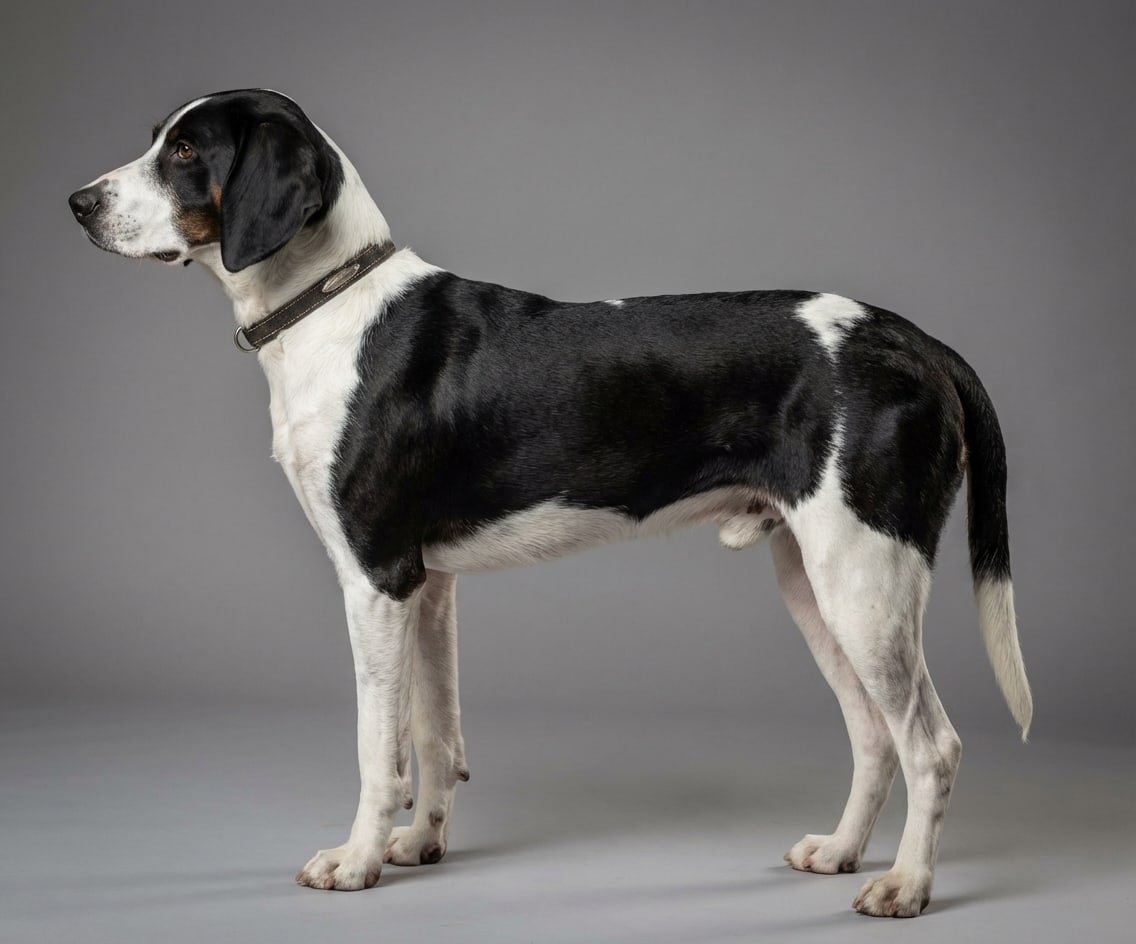
Origin and History
The Lhasa Apso, a non-sporting dog breed, originates from the high altitudes of Tibet, where it was traditionally used as an interior watchdog in palaces and monasteries. The breed's name, derived from the Tibetan language, possibly means "bearded lion" due to their lion-like mane and goatee, or "happy dog" in some interpretations.
Historically, the Lhasa Apso was considered a sacred breed, with the dogs living in close proximity to the Dalai Lama and other high lamas. They were often gifted to important visitors as a symbol of good fortune and were highly valued for their protective nature.
In the early 20th century, Tibetan dogs were brought to the United Kingdom by military men returning from the Indian subcontinent, marking the breed's introduction to the Western world. The first American pair of Lhasas was gifted to C. Suydam Cutting by the 13th Dalai Lama in 1933. The breed was officially recognized by the American Kennel Club in 1935 and transferred to the Non-Sporting Group in 1959. In the UK, they are placed in the Utility Group, and the breed was definitively accepted by the Fédération Cynologique Internationale in 1960.
Physical Characteristics
The Lhasa Apso is a medium-sized dog, with males standing at 25-28 cm and females slightly less at 23-28 cm at the withers. The weight range is 5.0-8.2 kg for females and 5.4-8.2 kg for males. Their robust and muscular build is well-suited to their cold, high-altitude environment of origin.
Their coat is thick and heavy, with a hard straight outer coat and a medium under-coat, and it comes in various colors including black, red, dark grizzle, golden, honey, parti-colour, sandy, slate-coloured, smoke-coloured, or white. The coat's texture can vary from soft to wiry, depending on the individual dog.
The eyes are dark and the nose is black, with pendant ears and a tail that is curved and sometimes carries a kink at the tip, which should be carried over the back. The breed's distinctive features contribute to their regal appearance and have been a part of their appeal since their inception.
Stanley Coren's "The Intelligence of Dogs" ranks the Lhasa Apso in the 68th group out of 79, indicating fair working-obedience intelligence.
Temperament and Personality
The Lhasa Apso is known for its confident, independent, and alert temperament, as well as loyalty and intelligence. They are protective of their territory and family, which makes them excellent as sentinel dogs. Their protective nature is a result of their history as guard dogs in Tibetan monasteries and palaces.
Despite their protective nature, they can be somewhat aloof with strangers, requiring socialization to ensure they are friendly towards them.
These dogs have a moderate energy level, which makes them suitable for families and individuals looking for a pet that doesn't require excessive exercise. Their moderate activity level allows them to adapt well to a variety of living situations, including apartments and homes with yards.
Their intelligence level is moderate, requiring consistent and patient training to achieve their best behavior and training potential. Positive reinforcement training methods are particularly effective with the Lhasa Apso, as they respond well to praise and treats.
Lifespan and Health Considerations
The Lhasa Apso is a long-lived breed, with a life expectancy of 14 years in the UK, compared to the average of 12.7 years for purebreeds and 12 years for crossbreeds. This longevity is attributed to their robust health and resilient nature, developed over centuries in the harsh Tibetan climate.
However, they may be predisposed to certain health conditions. One such condition is atopic dermatitis, a chronic skin condition that can cause severe itching and discomfort. Other potential health issues include patellar luxation, which is a common knee condition in small dogs, and portosystemic shunt, a condition that affects the liver's ability to process toxins.
Responsible breeders conduct health screenings to identify and address potential health issues in their breeding programs.
Coat and Grooming Needs
They have a hard outer coat and a medium undercoat, which can trap dirt and debris if not properly cared for. The Lhasa Apso's coat requires regular brushing, at least two to three times a week, to remove loose fur and prevent shedding.
While Lhasa Apsos are often considered hypoallergenic due to their less dander-producing coat, this does not make them entirely allergy-free for everyone. Individuals with mild allergies may find them suitable, but those with severe allergies should consult with a veterinarian before bringing a Lhasa Apso into their home.
Breeder Purpose and Group Classification
The breeder purpose for the Lhasa Apso is non-sporting, which reflects their original role as sentinels rather than as working dogs in the traditional sense. Their primary function was to protect their owners and property, not to participate in dog sports.
In the American Kennel Club, the Lhasa Apso was initially placed in the Terrier Group in 1935 and later transferred to the Non-Sporting Group in 1959. This classification change reflects the breed's evolving role in the United States. In the UK, they are classified in the Utility Group, which is a category for dogs that excel in a variety of tasks and abilities.
The Fédération Cynologique Internationale accepted the breed in 1960, recognizing its unique characteristics and role within the canine world. This acceptance further solidified the Lhasa Apso's place as a distinct and respected breed in the international canine community.
Buying a Lhasa Apso
Responsible breeders provide health clearances and genetic information, ensuring that the puppies are healthy and free from hereditary conditions.
Ask to see the puppy's parents and observe their coat and temperament. Healthy parents often indicate healthy offspring. Ensure the puppy has received all necessary vaccinations and dewormings before taking it home.
Be ready for a long-term commitment, as Lhasa Apsos can live up to 14 years. Understanding the cost of ownership, including veterinary care, food, and grooming, is also crucial when deciding whether a Lhasa Apso is the right fit for your household.
- Look for a breeder with a good reputation, who can provide health clearances and genetic information.
- Ask to see the puppy's parents and observe their coat and temperament.
- Ensure the puppy has received all necessary vaccinations and dewormings.
- Be ready for a long-term commitment, as Lhasa Apsos can live up to 14 years.
- Understand the cost of ownership, including veterinary care, food, and grooming.
Frequently Asked Questions
What is the lifespan of the Lhasa Apso?
The average lifespan of the Lhasa Apso is about 12-15 years. Good nutrition and regular veterinary care support a healthy life.
What is the temperament of the Lhasa Apso?
The Lhasa Apso is known for: Confident, Independent, Alert, Loyal, Smart, Protective. Its energy level is moderate.
What size and weight is the Lhasa Apso?
It is a medium-sized dog, typically around Male: 5.4-8.2; Female: 5.0-8.2 kg as an adult.
Is the Lhasa Apso easy to care for?
Reliable grooming and shedding ratings are not available. Routine brushing, ear and dental care, and nail trims are still recommended.
Is the Lhasa Apso good with kids and other pets?
Reliable child- and pet-friendliness ratings are not available. Supervised, gradual introductions are recommended.
How much exercise does the Lhasa Apso need?
With a moderate energy level, it needs walks, play or training matched to its stamina.
Lhasa Apso
Trait Scores
N/A