Origin and History
The Large Münsterländer, known for its versatile hunting abilities and distinctive coat, originated in the Münsterland region of northern Westphalia, Germany. This breed shares its roots with the German Long-haired Pointer and was established as a separate breed when the breed society removed the black-and-white coloration from the German Long-haired Pointer's standard. The new breed society for black-and-white long-haired pointers was founded in 1919, and the Large Münsterländer was officially recognized in 1922. It was definitively accepted by the Fédération Cynologique Internationale in 1954, and later recognized by the Kennel Club of Great Britain in 1971 and the American Kennel Club in 2023.
Historically, the Large Münsterländer's ancestors included the Old Spanish Pointer, which spread through France and the Low Countries, reaching the German-speaking world. These dogs were initially used in bird-hunting with nets or falcons and later with guns. The breed's development was further influenced by the introduction of the Burgos Pointing Dog type in the 19th century, leading to a mixed population known as Hühnerhunde ('bird dogs') or Jagdhunde ('hunting dogs').
The breed's standards were established in 1879, with the Deutsch Kurzhaar (German Short-haired Pointer) and the Deutsch Langhaar (German Long-haired Pointer) being introduced. However, black-and-white dogs were initially excluded from the German Long-haired Pointer standard, but were later allowed to be registered until they were definitively removed in 1908 or 1909.
The Verein für die Reinzucht des langhaarigen schwarz-weißen Münsterländer Vorstehhundes, a breed society formed in 1919, played a crucial role in the breed's development. A list of eighty-three suitable foundation animals was drawn up, and the first stud-book for the new breed was published in 1922. The breed's official recognition followed in the same year.
Breed Characteristics
The Large Münsterländer is a medium to large-sized dog, known for its noble appearance and athletic build. Males stand at 60-65 cm at the withers, while females are slightly shorter at 58-63 cm. The weight of an adult Large Münsterländer ranges from 25-32 kg. The breed is recognized for its intelligence, loyalty, energy, eagerness to please, and friendly nature.
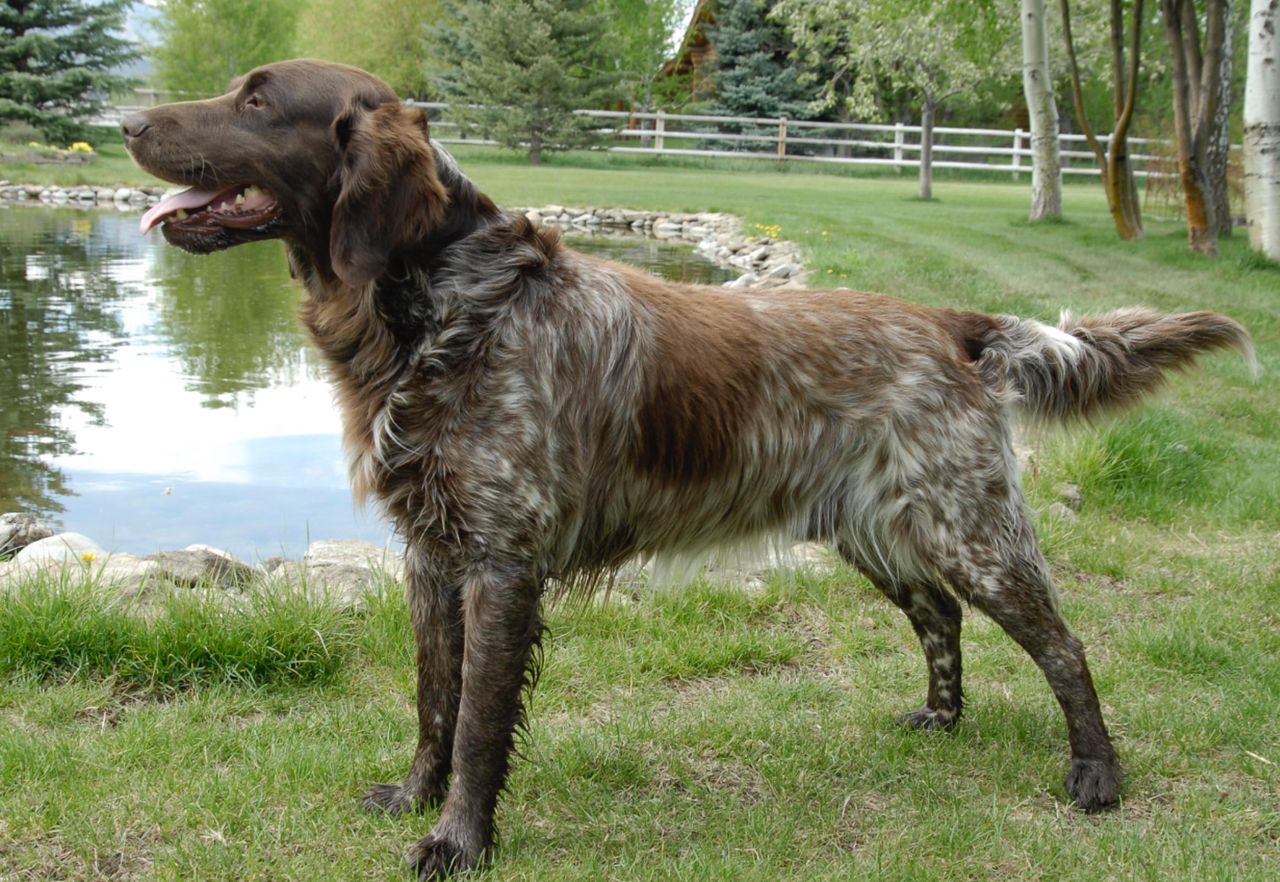
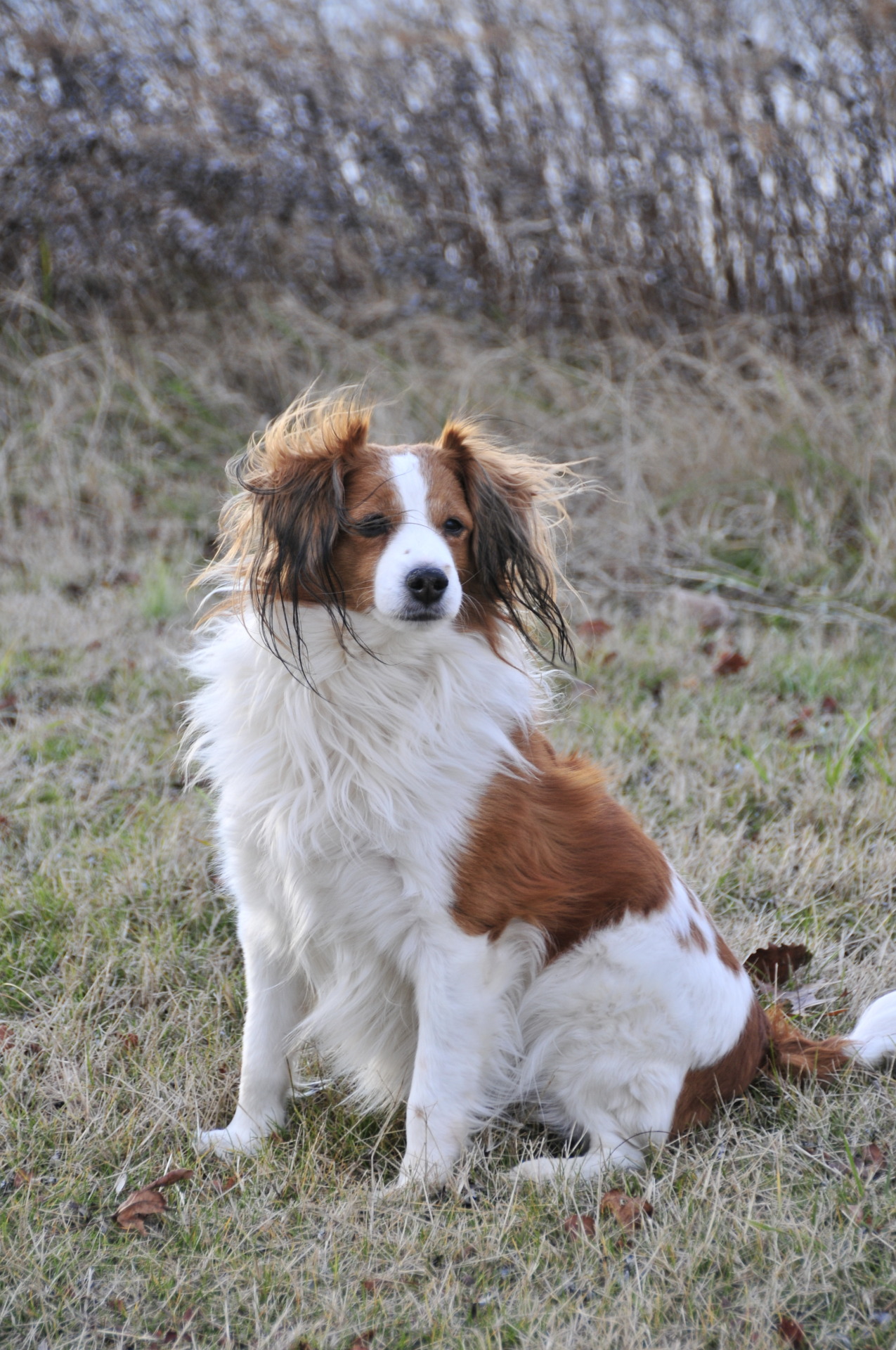
One of the most distinctive features of the Large Münsterländer is its coat, which is black and white with medium length. The coat is dense, close-fitting, sleek, and firm, and may be either smooth or lightly waved. The piebald gene's nature results in a highly variable distribution of black and white in the coat, with markings occurring as solid black patches and black ticking or roan filling in the white fur. The head is usually predominantly black, and the tip of the tail is white.
The Large Münsterländer is a versatile all-round gun-dog, excelling in pointing, tracking, and retrieving shot game. Their long and thick coat provides protection against cold and allows them to search dense cover thoroughly, but also makes them more susceptible to burrs. This breed is particularly effective on land and in water, showcasing their adaptability and hunting prowess.
Temperament and Behavior
The Large Münsterländer is known for its intelligent and eager-to-please temperament. This breed is highly trainable, making them suitable for various activities and roles. They are known to be alert, responsive, and eager to follow their owner's commands, which is a trait highly valued in hunting dogs.
Despite their high energy levels, the Large Münsterländer can adapt to different living situations, provided they receive adequate exercise and mental stimulation.
Health Considerations
The Large Münsterländer has been included in genetic research studies, with all dogs found to be homozygous for the sp allele in the MITF gene, which causes piebald spotting. This condition, known as leucism, affects the distribution of pigmentation in the coat, leading to a predominantly white appearance with areas of normal pigmentation.
Other health concerns that may affect the Large Münsterländer include hip dysplasia, elbow dysplasia, and epilepsy.
Training and Exercise
The Large Münsterländer is a highly trainable breed, with an eagerness to please that makes training sessions both enjoyable and effective. This breed responds well to positive reinforcement techniques, such as treats and praise, and can excel in various dog sports and activities, including obedience, agility, and tracking.
Mental stimulation, such as puzzle toys and training exercises, is also important to keep their minds engaged and healthy.
Living with a Large Münsterländer
Living with a Large Münsterländer requires commitment to their care and well-being. They are best suited for households with active owners who can provide them with the attention and training they need.
Given their friendly nature and adaptability, the Large Münsterländer can be a great companion for families, as well as for individuals seeking a loyal and devoted pet. However, potential owners should be prepared to invest time and resources into their dog's training, exercise, and health care.
Buying a Large Münsterländer
Responsible breeders should be able to provide documentation of these tests.
Be prepared to invest in the initial purchase price, which can range from $1,500 to $3,000 depending on the lineage and show quality, as well as ongoing costs such as food, veterinary care, and training. Owning a Large Münsterländer is a significant financial commitment, but the rewards of having such a loyal and versatile companion can be substantial.
Frequently Asked Questions
What is the lifespan of the Large Münsterländer?
The average lifespan of the Large Münsterländer is about 11-13 years. Good nutrition and regular veterinary care support a healthy life.
What is the temperament of the Large Münsterländer?
The Large Münsterländer is known for: Intelligent, Loyal, Energetic, Eager to Please, Friendly. Its energy level is high.
What size and weight is the Large Münsterländer?
It is a large dog, typically around 25-32 kg as an adult.
Is the Large Münsterländer easy to care for?
Reliable grooming and shedding ratings are not available. Routine brushing, ear and dental care, and nail trims are still recommended.
Is the Large Münsterländer good with kids and other pets?
Reliable child- and pet-friendliness ratings are not available. Supervised, gradual introductions are recommended.
How much exercise does the Large Münsterländer need?
With a high energy level, it needs walks, play or training matched to its stamina.
Large Münsterländer
Trait Scores
N/A