Origin and Historical Background
The Lapponian Herder, known as Lapinporokoira in Finnish, originates from the Lapland region of Finland. This breed has its roots in the Spitz type herding dogs used by the Sami people for managing reindeer herds in the arctic conditions of northern Europe. The breed's development dates back to a type of dog that was not of modern breeds with documented heritage but rather a landrace type of herding dog, which was highly adapted to the challenging environment of Lapland.
After World War II, efforts were made by breeders in Sweden and Finland to recreate the lost reindeer herding dogs. In Finland, the Lapponian Herder was recognized as the Kukonharjulainen by the Finnish Kennel Club in 1947. The breed was created through crosses with black and white Karelian Bear Dogs, resulting in a dog with a more heavy coat.
The Lapponian Herder was officially named in 1966, distinguishing it from the Lapphund based on coat length. The breed was recognized under Finnish sponsorship by the Fédération Cynologique Internationale in Group 5 Spitz and primitive types, Section 3 Nordic Watchdogs and Herders. It is also recognized by the United Kennel Club in North America in the Herding group, and by various minor kennel clubs and internet-based dog registry businesses, reflecting its growing popularity outside of its native region.
Physical Appearance
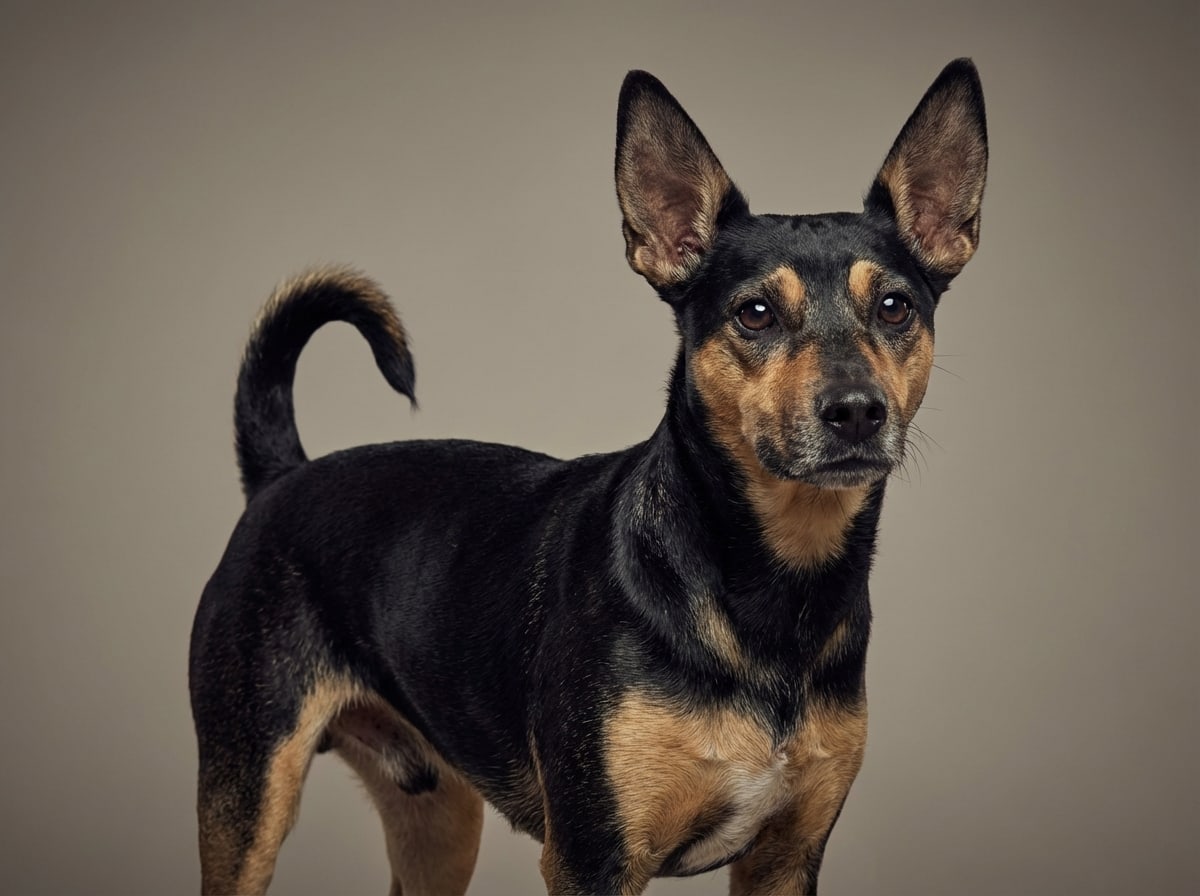
The Lapponian Herder is a medium-sized dog with a strong but agile build, slightly longer than tall. The breed has a dense double coat, which is medium in length, providing insulation in the cold climate of its origin. Ears are pricked, a characteristic that sets it apart from other breeds, reminiscent of its herding heritage. The coloration typically includes black, dark grey, brown, or red brown, with a lighter shade on the head and lower parts of the body, often featuring white markings that are a nod to the Sami people's traditional clothing patterns.
Males stand at a height of 46-54 cm (18-21 in) at the withers, while females are slightly shorter at 42-49 cm (16.5-19 in). The weight of males ranges from 30-35 kg (66-77 lb), and for females, it is 25-30 kg (55-66 lb). These dimensions reflect the breed's role in herding and its need for a robust, yet agile, structure to effectively manage reindeer herds in the rugged terrain of Lapland.
Temperament and Behavior
The Lapponian Herder is described as calm, friendly, and docile, yet energetic. This dual nature is a result of its working background as a herding dog, requiring both a steady temperament and a high level of energy. The breed's intelligence and trainability are well-suited for various dog activities, making it a versatile companion.
Despite its herding instincts, the Lapponian Herder can participate in various dog activities such as agility trials, carting, mushing, obedience, Rally obedience, showmanship, flyball, tracking, and herding events. Its trainability is high, allowing it to excel in activities that challenge its intelligence and agility, making it a popular choice in dog sports and competitions.
Health and Genetics
The Lapponian Herder is part of the mitochondrial DNA sub-clade d1, found only in northern Scandinavia. This sub-clade is the result of a female wolf and male dog hybridization that occurred post-domestication. The Lapponian Herder, along with other Sami-related breeds, belongs to this sub-clade, which originated between 480-3,000 years ago. This genetic heritage contributes to the breed's resilience and adaptability to harsh climates.
Common health concerns for Lapponian Herders include hip dysplasia, elbow dysplasia, and hereditary cataracts. The breed's genetic health is closely monitored by breed clubs and registries to ensure the long-term viability of the breed.
Living with a Lapponian Herder
Living with a Lapponian Herder requires an understanding of the breed's high energy levels and strong herding instincts.
Training should begin early and be consistent, as the Lapponian Herder is intelligent and can be sensitive to harsh or inconsistent handling. Positive reinforcement techniques are often effective in training this breed. Socialization is also important to ensure that the Lapponian Herder is well-behaved and comfortable in various social situations.
Buying a Lapponian Herder
- Ensure the breeder is registered with a recognized kennel club, such as the Finnish Kennel Club or the United Kennel Club, to ensure the puppy's legitimacy and health.
- Ask for health clearances and a family history of the puppy, including any known genetic health issues within the bloodline.
- Consider the long-term commitment of owning a dog with a lifespan of 10-14 years. The Lapponian Herder requires consistent care and attention throughout its life.
- Visit the breeder in person if possible to assess the living conditions of the dogs and the overall health of the puppies.
Cost and Ownership Considerations
The Lapponian Herder is a unique and rare breed, which may affect its price. The initial cost of purchasing a Lapponian Herder can be higher than that of more common breeds, often ranging from $1,000 to $2,000. However, the long-term costs of owning a dog, including food, veterinary care, and grooming, should also be taken into account.
The Lapponian Herder's high energy levels also mean a significant investment in quality dog food and exercise equipment.
Frequently Asked Questions
What is the lifespan of the Lapponian Herder?
The average lifespan of the Lapponian Herder is about 10-14 years. Good nutrition and regular veterinary care support a healthy life.
What is the temperament of the Lapponian Herder?
The Lapponian Herder is known for: Alert, Energetic, Intelligent, Loyal, Work-focused, Calm, Friendly. Its energy level is high.
What size and weight is the Lapponian Herder?
It is a large dog, typically around Male: 30-35; Female: 25-30 kg as an adult.
Is the Lapponian Herder easy to care for?
Reliable grooming and shedding ratings are not available. Routine brushing, ear and dental care, and nail trims are still recommended.
Is the Lapponian Herder good with kids and other pets?
Reliable child- and pet-friendliness ratings are not available. Supervised, gradual introductions are recommended.
How much exercise does the Lapponian Herder need?
With a high energy level, it needs walks, play or training matched to its stamina.
Lapponian Herder
Trait Scores
N/A