Origin and History
The Langqing, also known as the Langqing Quan, originates from Guizhou Province in China. It is a result of cross-breeding Tugou, a Wolfdog strain from northern China, with Chinese Wolves. The breed's origins are complex, involving long-term interbreeding of various indigenous dog breeds and local wolves, making its complete history difficult to trace. The breed was recognized and named in 1950 for its distinctive coat, characterized by a grayish-blue or steel-blue tone, resembling that of a wolf. This coat coloration is the reason for the breed's name.
There is a historical rumor that during the Japanese invasion of China in the 19th and 20th centuries, the Japanese army used the Langqing Quan as military dogs. However, this is likely a misunderstanding, as there are no clear records of the Langqing Quan being imported to Japan. The breed's name "Riben Langqing Quan" (Japan Langqing Dog) is a result of the confusion during that period. The Langqing Quan was also known as the "Dog of the South" due to its prevalence in southern China, and its historical role in herding and guarding livestock.
Breed Standard and Appearance
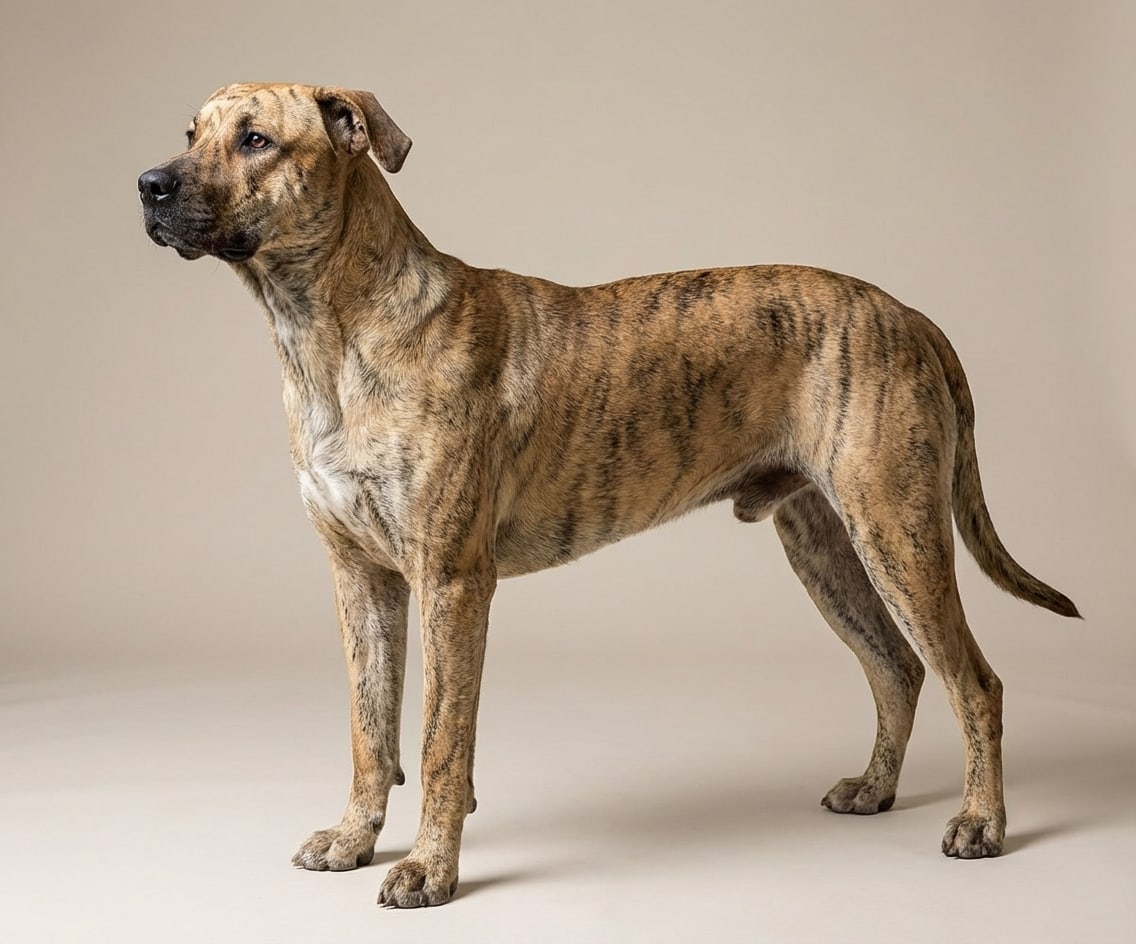
The Langqing is a large dog with the physical characteristics typical of a wolf breed. Its eye color is usually yellowish brown or dark brown, and the coat colors include iron blue, green white, grass yellow, and blue gray. The shoulder height for males ranges from 75-85 cm, with some individuals in Hebei reaching up to 90-95 cm, which led to them being called "Giant Langqing Quan" (JiXing Langqing Quan). Female Langqing typically have a shoulder height of 70-75 cm, with some smaller individuals found in certain areas, measuring 65-75 cm for males and 55-70 cm for females. The Langqing's coat is medium-length, which is a combination of its wolf and dog heritage, and it is known for its lean build and fine texture.
The Langqing Quan is also known for its agility and strong hunting ability, which are traits that have been selectively bred for over time. The breed's appearance has been standardized by the Chinese Canine Registry, which specifies the ideal size, coat color, and structure for the breed. The Langqing Quan has a distinct profile, with a long, narrow head, a strong jaw, and a bushy tail that is often curled over the back.
Temperament and Personality
The Langqing Quan is known for its fierce and agile nature, along with a keen sense of smell and high sensitivity. It is highly protective of its owner and generally does not approach strangers, which is a common trait in sighthounds. The breed is considered loyal and intelligent, which makes it trainable and adaptable. Despite its independent nature, the Langqing is not recommended for those looking for a breed that is overly affectionate. The breed's temperament is often described as dignified and reserved, with a strong protective instinct.
However, the Langqing Quan can also be stubborn and independent, requiring a firm yet gentle hand in training. The breed's high energy levels and hunting instincts require a lot of mental and physical stimulation, which can be challenging for some owners.
Use as a Working Dog
The Langqing Quan has historically been used for a variety of tasks, making it an excellent choice for working dogs. These tasks include supervision, care, guarding, robbery prevention, theft prevention, patrolling, hunting, and fighting. The breed is commonly found in forest farms, enterprises, warehouses, villas, resorts, and fish ponds, where its strong sense of smell and protective nature are particularly useful. The Langqing Quan's working ability has been recognized and utilized by various sectors of society, from agriculture to security.
Over time, the breed has also been crossed with other dog breeds like the German Shepherd, Great Dane, and Czechoslovakian Wolfdog, creating new types of Langqing Quan that may exhibit more pronounced dog or wolf characteristics depending on the breeder's goals. The Chinese distinguish these new breeds as "Old Langqing" and "New Langqing," with the latter being the result of selective breeding and crossbreeding to enhance specific traits such as size, strength, or working ability.
Health and Genetics
The Langqing Quan's health history is not extensively documented, but it is known that the breed can be prone to certain genetic health conditions. One such condition is hip dysplasia, which is a common issue in large breeds. This condition affects the dog's hip joint, leading to pain and mobility issues. Another condition that may affect the Langqing Quan is elbow dysplasia, which can also cause pain and lameness in affected dogs.
The Langqing Quan's coat color, which is a result of its wolf heritage, has contributed to the genetic makeup of other breeds as well. For example, the Langqing Quan's wolf-grey coat has been a genetic factor in the development of the Kunming dog, a stable breed created by crossbreeding Langqing Quan with other local Chinese dog breeds and East European Shepherds in Yunnan Province, China. The genetic contributions of the Langqing Quan have had a lasting impact on the diversity of dog breeds in China.
Buyer's Checklist
- Ensure that the breeder has a good reputation and a history of ethical breeding practices.
- Check for a clear and detailed health record, including any genetic tests for conditions like hip dysplasia and elbow dysplasia.
- Assess whether your lifestyle can accommodate the Langqing's high energy levels and hunting instincts.
- Understand the breed's need for mental and physical stimulation, and prepare for the responsibility of caring for a large, intelligent, and protective dog.
- Be prepared for the Langqing Quan's strong prey drive and the potential for it to chase small animals, which can be a concern in suburban or urban environments.
The Langqing Quan is not a breed for everyone. Those who are considering adding a Langqing to their home should weigh these factors carefully, ensuring that they can provide the appropriate care, training, and environment for this unique and remarkable breed.
Frequently Asked Questions
What is the lifespan of the Langqing?
The average lifespan of the Langqing is about 10-14 years. Good nutrition and regular veterinary care support a healthy life.
What is the temperament of the Langqing?
The Langqing is known for: Loyal, Intelligent, Independent, Athletic, Energetic. Its energy level is high.
What size and weight is the Langqing?
It is a medium-sized dog, typically around unknown kg as an adult.
Is the Langqing easy to care for?
Reliable grooming and shedding ratings are not available. Routine brushing, ear and dental care, and nail trims are still recommended.
Is the Langqing good with kids and other pets?
Reliable child- and pet-friendliness ratings are not available. Supervised, gradual introductions are recommended.
How much exercise does the Langqing need?
With a high energy level, it needs walks, play or training matched to its stamina.
Langqing
Trait Scores
N/A