Origin and Development
The Lancashire Heeler, a small, sturdy herding dog, originated in Lancashire, England. This breed was developed for its role as a drover and herder of cattle, showcasing its versatility as a general-purpose farm dog capable of both ratting and herding. The Lancashire Heeler is descended from the Welsh Corgi and the Manchester Terrier, breeds that contributed to its distinctive characteristics. The breed has been known in Lancashire for over one hundred and fifty years, serving as a valuable asset on farms. In the early 1960s, Gwen Mackintosh began breeding Heelers, leading to the establishment of the Lancashire Heeler Club in 1978. The club set a breed standard and register, and the breed was recognized by The Kennel Club in 1981. The Lancashire Heeler was listed as an endangered breed by the Kennel Club (UK) and recognized by the American Kennel Club in 2024, marking a significant milestone for the breed's recognition and preservation.
Historically, the Lancashire Heeler has been a key component of the Lancashire farming community, with its origins tracing back to the need for a dog that could effectively manage cattle and protect the farm from vermin. The breed's adaptability and resilience have been instrumental in its survival and popularity, despite the changing agricultural landscape.
Physical Description
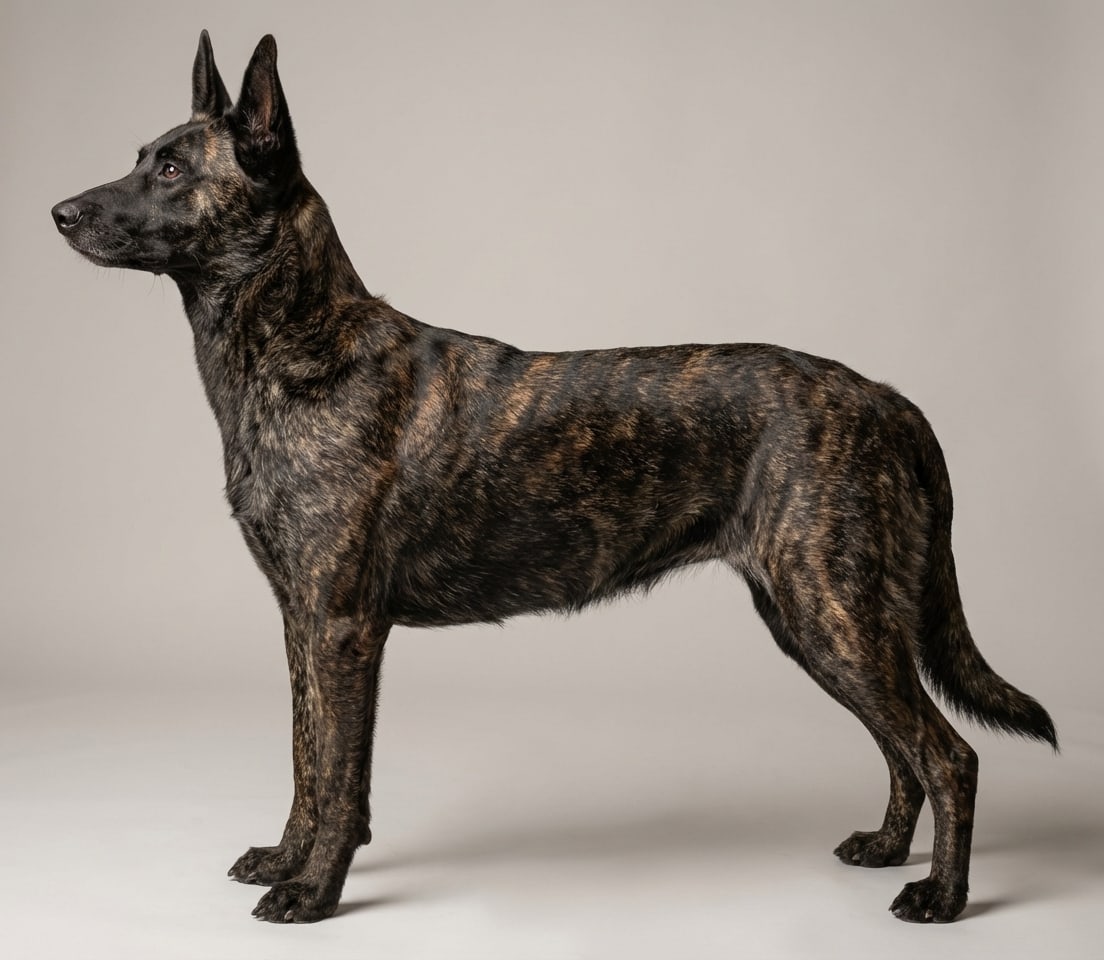
The Lancashire Heeler is a small dog with a low-set build and short legs, typically weighing between 4-8 kg and standing at 25-30 cm at the shoulder. Its coat is harsh and smooth, with an undercoat that keeps the dog dry in all weathers, and may feature a slight mane around the neck in winter. The coat color is usually black and tan, although liver and tan is also recognized by the Kennel Club. The breed's distinctive foxlike expression and alert nature are further highlighted by its short black and tan weatherproof double coat, which is both practical and aesthetically pleasing.
These dogs have a body structure that is well-suited for their work, with a deep chest and a short back that allows for agility and quick movements. Their ears are typically cropped, contributing to their alert appearance, and their tail is often docked to enhance their mobility and working efficiency.
Temperament and Personality
The Lancashire Heeler is known for its intelligent, alert, and energetic temperament. This breed is friendly and playful, with a courageous nature that makes it an excellent herding dog. When happy, Lancashire Heelers may part their lips to mimic a human smile, showcasing their affectionate nature towards their owners. The breed standard used by the American Kennel Club describes them as "courageous, happy," and "affectionate to owner," making them a delightful companion for those seeking a lively and loyal pet.
Despite their high energy levels, Lancashire Heelers can be quite adaptable and do well in a variety of living situations, as long as they receive adequate exercise and mental stimulation. Their intelligence and eagerness to please make them highly trainable, which is beneficial for both their herding work and their ability to live harmoniously with other pets and family members.
Health and Lifespan
A 2024 UK study found that the Lancashire Heeler has a life expectancy of 15.4 years, the highest in the study compared to an average of 12.7 for purebreeds and 12 for crossbreeds. However, like all breeds, the Lancashire Heeler is prone to certain health conditions. The three most common serious conditions affecting this breed are Collie eye anomaly, primary lens luxation, and persistent pupillary membranes. Additionally, Patella luxation is a concern, particularly in this breed, which is caused by an autosomal recessive mutation of the ADAMTS17 gene. These conditions can vary in severity and may require veterinary intervention.
Owners should be vigilant about their dog's health and consult with a veterinarian regularly to ensure the best possible care for their Lancashire Heeler.
Breeder Purpose and Use
The Lancashire Heeler was bred for its exceptional herding abilities, making it an ideal choice for those interested in dog sports or farming. Its strong work ethic and intelligence make it a valuable asset in herding cattle and other livestock.
While the breed's original purpose was as a drover and herder, the Lancashire Heeler's adaptable nature and friendly temperament have made it a popular choice as a family pet as well.
Recognition and Status
The Lancashire Heeler is recognized by both The Kennel Club (UK) and the American Kennel Club. It was listed as an endangered breed by the Kennel Club (UK) and recognized as a vulnerable native breed, with annual registration figures of 300 or fewer for the breed. This status highlights the breed's need for conservation efforts to ensure its survival. In 2016, the FCI added the Lancashire Heeler to the list of provisionally accepted breeds, and in 2024, the breed was recognized by the American Kennel Club, making its first appearance at the AKC's National Dog Show that year. This recognition is a significant achievement for the breed and its enthusiasts, providing a platform for increased awareness and appreciation.
The Lancashire Heeler's status as a native breed with a rich history and a unique set of characteristics has made it a favorite among dog lovers and breeders alike.
Buying a Lancashire Heeler
- A dog with a life expectancy of 12-15 years, with the potential for a long and healthy life if properly cared for.
- A breed prone to certain health conditions, including Collie eye anomaly, primary lens luxation, and Patella luxation.
- Intelligent and trainable, with a strong work ethic that makes them excellent for herding and other dog sports.
- Adaptable and friendly, making them suitable for family life and living with other pets.
- With a distinctive appearance, including a harsh and smooth coat in black and tan or liver and tan colors, and a short, weatherproof double coat.
Frequently Asked Questions
What is the lifespan of the Lancashire Heeler?
The average lifespan of the Lancashire Heeler is about 12-15 years. Good nutrition and regular veterinary care support a healthy life.
What is the temperament of the Lancashire Heeler?
The Lancashire Heeler is known for: Intelligent, Alert, Energetic, Friendly, Playful, Courageous. Its energy level is high.
What size and weight is the Lancashire Heeler?
It is a medium-sized dog, typically around 4-8 kg as an adult.
Is the Lancashire Heeler easy to care for?
Reliable grooming and shedding ratings are not available. Routine brushing, ear and dental care, and nail trims are still recommended.
Is the Lancashire Heeler good with kids and other pets?
Reliable child- and pet-friendliness ratings are not available. Supervised, gradual introductions are recommended.
How much exercise does the Lancashire Heeler need?
With a high energy level, it needs walks, play or training matched to its stamina.
Lancashire Heeler
Trait Scores
N/A