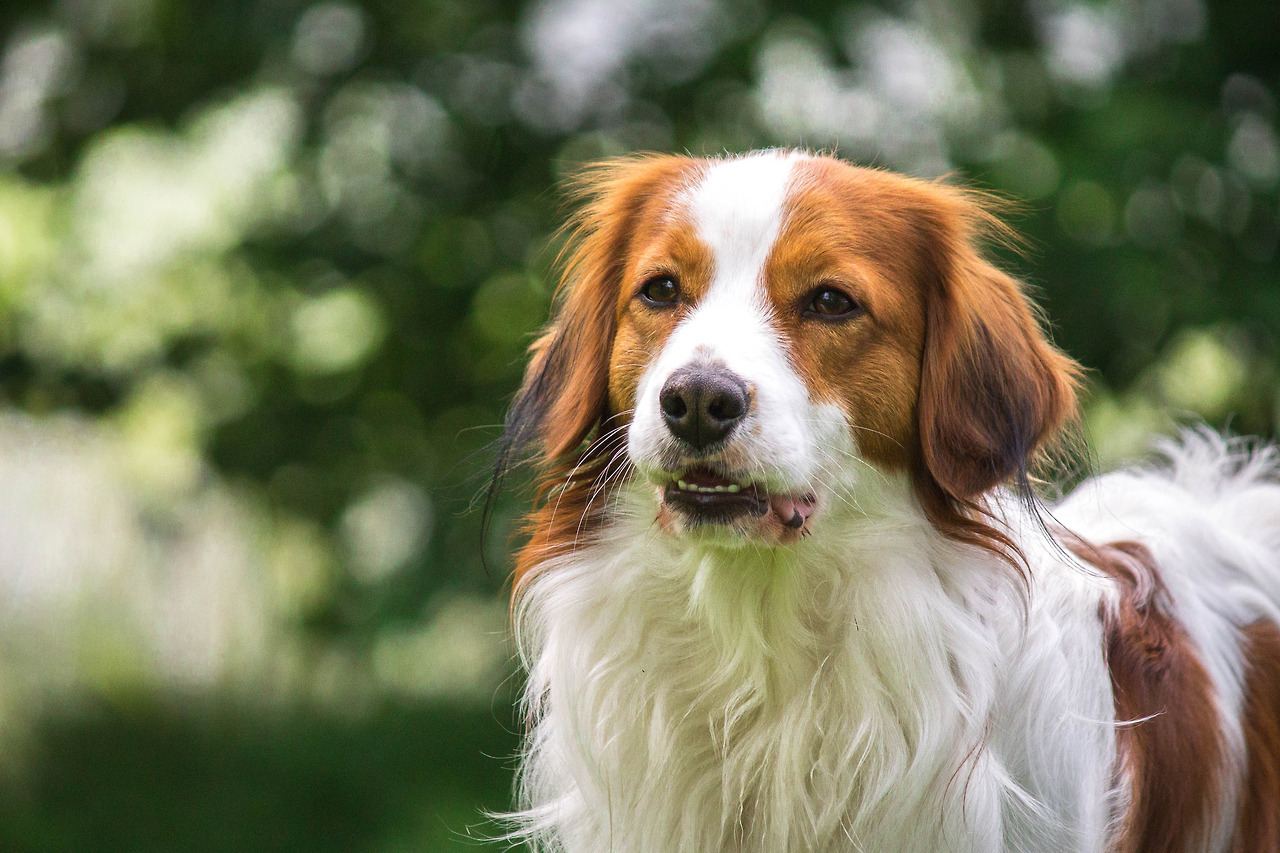
Labradoodle Breed Profile
The Labradoodle, a crossbreed between a Labrador Retriever and a Standard or Miniature Poodle, originated in Australia with the intention of creating a hypoallergenic companion and guide dog. This hybrid breed combines the intelligence and eagerness to please of the Labrador with the hypoallergenic coat of the Poodle.
With a life span of 12-14 years, Labradoodles weigh between 23-29 kg for males and 20-29 kg for females, standing at a height of 53-61 cm. Their coat can be curly, wavy, or straight, and colors range from apricot, cream, silver, black, and brown, with a variety of patterns and shades.
Origin and Development
Australian breeder Wally Conron is credited with the creation of the Labradoodle, introducing it to the Royal Guide Dog Association of Australia in Victoria in 1989. The goal was to combine the low-shedding coat of the Poodle with the gentleness and trainability of the Labrador Retriever, making it suitable for individuals with allergies. However, Conron has expressed regret over the trend, citing genetic unpredictability and unethical breeding practices as major concerns.
The Australian Labradoodle Association (LAA) was founded in 2000 to standardize the breed and achieve recognition. Despite efforts to improve health and temperament, Labradoodles are not considered a pure breed by kennel clubs such as the AKC. They remain a hybrid of the two parent breeds, with the LAA working to refine breed standards and ensure genetic diversity.
Breed Standards and Recognition
The Labradoodle is not recognized as a pure breed by any independent, non-regional kennel clubs or recognized registration organizations. The Australian Labradoodle Association of America (ALAA) and other organizations have worked to refine the breed standard, introducing additional genetic diversity and focusing on health and temperament. The standard includes specific requirements for coat type, color, structure, and temperament.
In 2010, the AKC began allowing owners of mixed breeds to register their dogs through an alternative listing program. This move was significant for Labradoodles, as it provided them with an official AKC ID number, even though they are not considered a pure breed. This recognition allowed Labradoodles to participate in AKC events and receive official documentation.
Health Concerns and Genetic Issues
Despite the intention of creating a hypoallergenic dog, the Labradoodle's hypoallergenic flag is set at 0, indicating no guarantee of reduced allergic reactions. Common health issues include hip and elbow dysplasia, eye diseases such as progressive retinal atrophy and cataracts, and Addison's disease. Wally Conron has expressed concerns that many Labradoodles suffer from hereditary problems, with a majority being either "crazy or have a hereditary problem. " The AKC's Brandi Hunter echoed these concerns, emphasizing the importance of careful breeding practices.
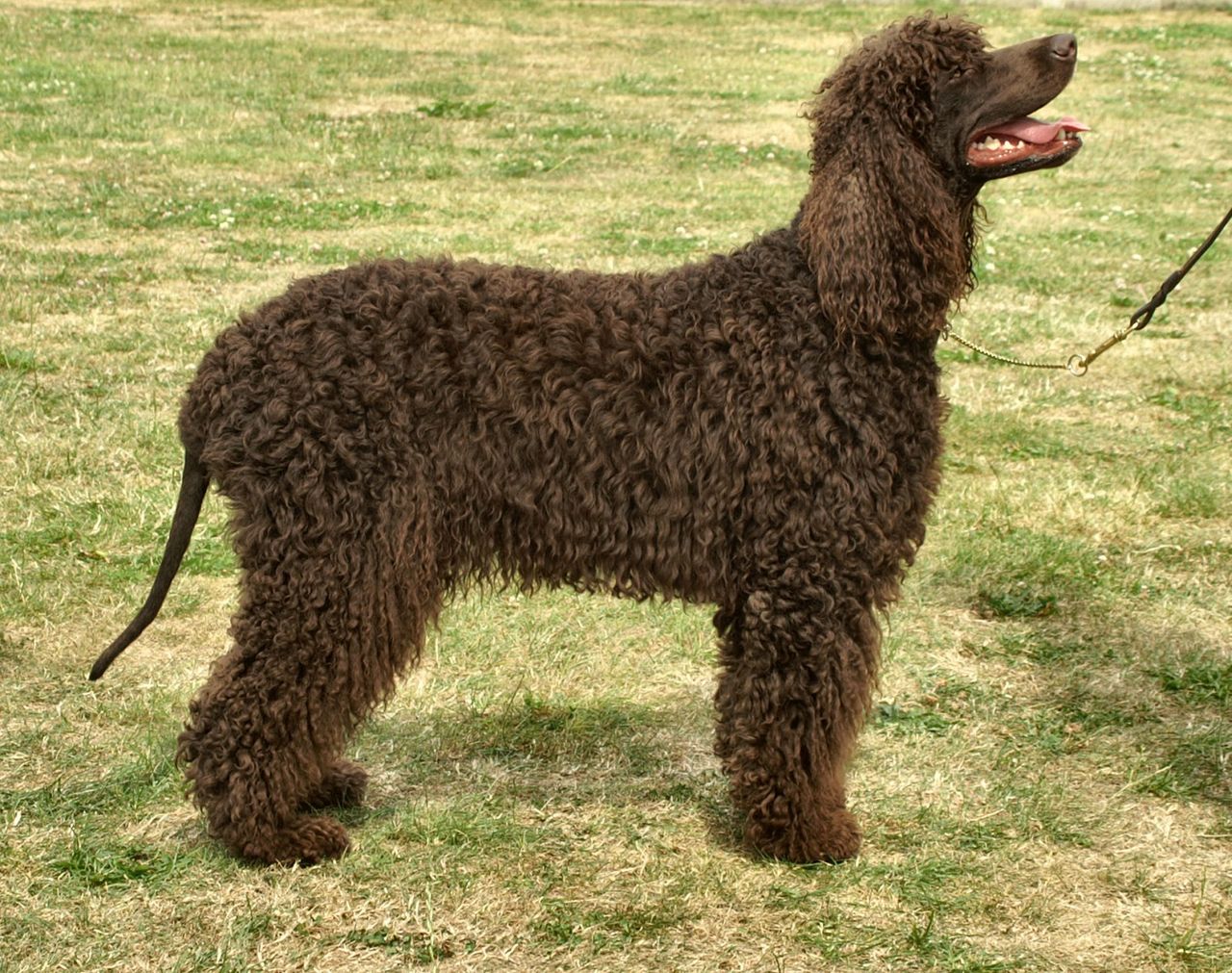
Efforts to standardize the breed and improve health have led to the introduction of new genetic lines, including the Irish Water Spaniel, Curly-coated Retriever, and the English and American Cocker Spaniel, among others. These additions were made to increase the breed's gene pool and address health issues, such as hip dysplasia and certain eye diseases.
Use as Service and Therapy Dogs
Labradoodles are widely used around the world as guide, assistance, and therapy dogs. Guide Dogs Victoria, while no longer breeding labradoodles, has been succeeded by other organizations, such as the Association for the Blind of Western Australia, which introduced labradoodles into their training program in 2010.
Labradoodles have also gained popularity as family pets due to their friendly nature and affectionate disposition. Their versatility and adaptability make them suitable for a variety of living situations, from apartments to large homes with yards.
Australian Cobberdog Development
In response to the variability and potential health issues associated with Labradoodles, the Australian Cobberdog was developed as a more standardized and carefully bred alternative. This crossbreed, developed by the Rutland Manor Breeding and Research Center and Tegan Park Labradoodle Breeding & Research Centres, aims to be a hypoallergenic, calm, intelligent, and gentle dog, with a focus on therapy and assistance roles.
The Australian Cobberdog was bred with specific attention to coat and temperament, incorporating the genetics of at least eight existing breeds. This new breed is recognized as a pure breed by the Master Dog Breeders and Associates (MDBA), with a set of breed standards established in 2012. The Australian Cobberdog Society has been working to refine and update the breed standard to move towards official recognition by recognized purebred organizations.
Buying a Labradoodle: What to Consider
Be prepared for potential health issues and be aware of the breed's high energy levels and grooming needs. Labradoodles can be a great fit for active families or individuals willing to invest time in training and care.
Due to the variability in appearance and temperament, it is advisable to meet potential dogs before making a commitment. Visiting breeders, attending dog shows, or seeking referrals from reputable organizations can help in finding a healthy and well-socialized Labradoodle.
Frequently Asked Questions
What is the lifespan of the Labradoodle?
The average lifespan of the Labradoodle is about 12-14 years. Good nutrition and regular veterinary care support a healthy life.
What is the temperament of the Labradoodle?
The Labradoodle is known for: Friendly, Intelligent, Energetic, Gentle, Outgoing, Affectionate. Its energy level is high.
What size and weight is the Labradoodle?
It is a large dog, typically around Male: 23-29; Female: 20-29 kg as an adult.
Is the Labradoodle easy to care for?
Reliable grooming and shedding ratings are not available. Routine brushing, ear and dental care, and nail trims are still recommended.
Is the Labradoodle good with kids and other pets?
Reliable child- and pet-friendliness ratings are not available. Supervised, gradual introductions are recommended.
How much exercise does the Labradoodle need?
With a high energy level, it needs walks, play or training matched to its stamina.
Labradoodle
Trait Scores
N/A