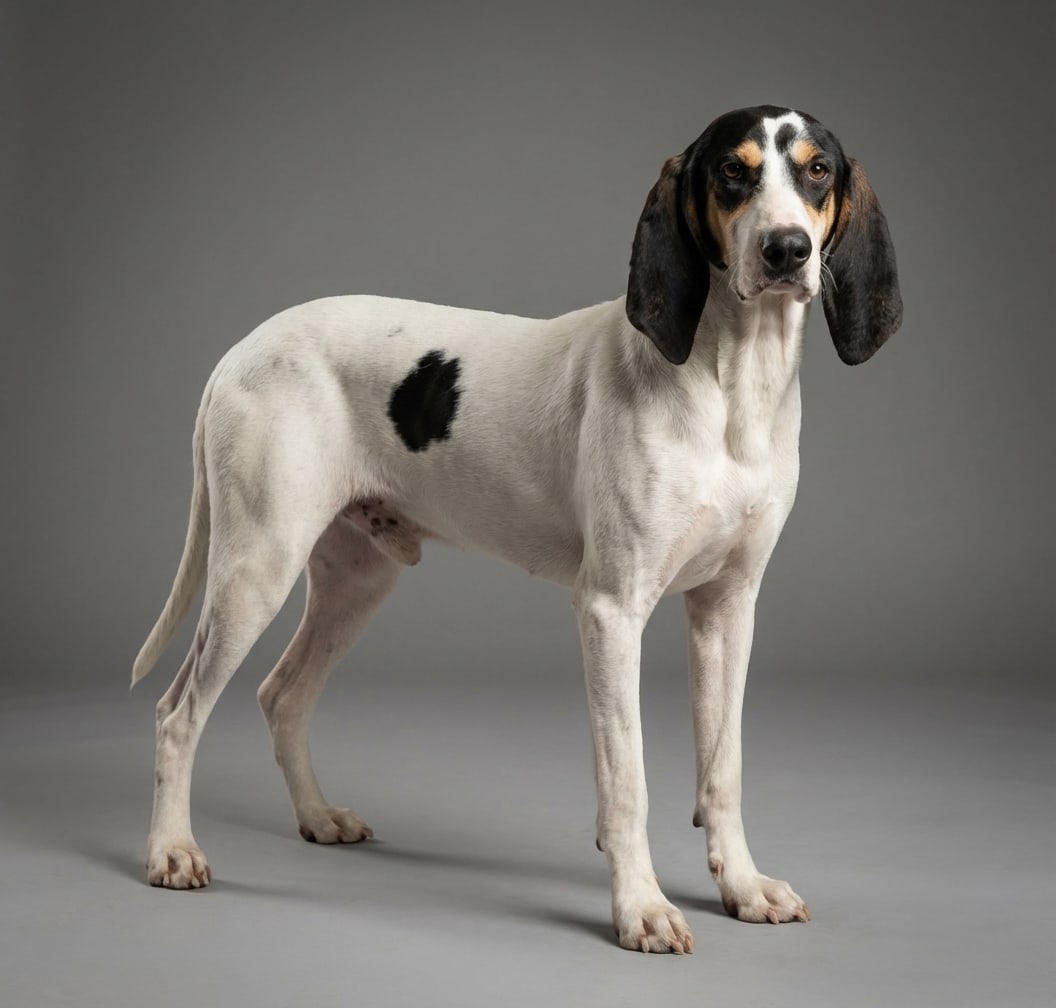
Origin and Purpose
The Kuchi dog, also known as the Afghan Shepherd, originated in the mountainous regions of Afghanistan. This breed was developed by the nomadic Kuchi people for their working purposes, primarily to guard livestock and caravans against predators such as wolves and snow leopards. The Kuchi people were known for their skill in breeding dogs for specific roles, and the Kuchi dog was no exception. Named after the Kuchi people, the Pashto term "De Kochyano Spai" or "Jangi Spai" translates to "Dog of the Nomads" and "Fighter Dog," reflecting their role and the environment they were bred for. These dogs are a Molossoid type, sharing a genetic background with the Alabai (Central Asian Shepherd) and sometimes referred to as Powindah dogs in southern Afghanistan, indicating a close connection to the region's other working dogs.
They were essential to the Kuchi lifestyle, providing protection and companionship as they moved with their herds from one grazing ground to another. The historical figure of the Kuchi people, who have lived a nomadic life for centuries, played a significant role in the development and maintenance of the Kuchi dog breed.
Physical Description
The Kuchi dog is a large, rugged landrace livestock guardian dog, designed to withstand the rigors of their environment. They possess a powerful build, with a thick double coat that can be short, medium, or long, supported by thick underwool. This coat helps protect them from extreme temperatures and harsh weather conditions. Their height ranges from 69 to 76 cm for males and 64 to 71 cm for females, while their weight varies from 50 to 60 kg for males and 40 to 50 kg for females, making them a robust and sturdy breed.
These dogs have a straight backline, forming a square profile with the front and hind legs, which is ideal for endurance and agility. Their long, thick necks have excess skin hanging from the base of the jaw to the chest, which is a characteristic of many working breeds and serves as protection against predators. Their heads are carried horizontally or at a slight downward angle, with dry and muscular muzzles that are well-suited for their working roles. Their coats come in many colors and patterns, and the color of the coat is of no importance in determining the breed or type of Kuchi dog. The length or structure of the hair also does not define the breed type, emphasizing the breed's functionality over aesthetics.
Regional Types and Subvariants
The Kuchi dog can be divided into three main types: the mountain-type, the steppe-type, and the desert-type. Each type is adapted to the specific environmental conditions of their respective regions. The mountain-type dogs, for instance, are large-boned and heavy-coated, well-suited for the mountainous regions of the Pamir range, where they would need to guard against the cold and harsh weather. The steppe-type dogs are lighter and more agile, with medium to long hair, and are faster on expansive flats, allowing them to keep pace with the herds. The desert-type dogs are medium in height, with a short to medium-length coat and thick underwool, adapted to the hot climate of desert flatlands, where they would need protection from the sun and heat.
Within these types, there are also lion-type and tiger-type dogs. The lion-type dogs have a heavier build, larger heads, and thicker coats, which are indicative of their role in protecting livestock from predators. The tiger-type dogs, on the other hand, are more athletic-looking with a longer and deeper habitus, often linked with the steppe-type dogs, which suggests a preference for agility and speed in the open plains.
Temperament and Behavior
The Kuchi dog is known for its protective, independent, loyal, courageous, and intelligent temperament. They are highly vigilant and have been bred to be extremely tough, capable of braving rough environmental conditions and performing their duties without hindering the progress of the caravan.
These dogs are also extremely intelligent and trustworthy, often forming deep emotional bonds with their pack members. Their social structure is often based on a hierarchy, with the dogs working together to protect the group. They are very vocal in expressing their emotions, often growling to show pleasure or displeasure, which can be misconstrued as aggression. This breed requires special attention from their owners, who should be experts on the Kuchi breed and animal behavior in general to properly interpret their behavior.
Training and socialization should begin early and continue throughout their life to help manage their independent nature and ensure they are well-behaved members of the family. The Kuchi dog's temperament can be a double-edged sword; while they are fiercely loyal and protective, their independent nature can also make them challenging to train.
Health Considerations
The Kuchi dog has a life span of 10-13 years, which is relatively long for a large breed. While no specific health issues are mentioned in the breed profile, owners should be aware of potential health issues such as hip dysplasia, which can be common in large breeds. Hip dysplasia is a condition where the hip joint does not fit together perfectly, which can lead to arthritis and pain.
Additionally, skin conditions due to their thick coats are a concern. Allergies can also be a problem, so owners should be vigilant for signs of skin irritation or excessive scratching.
Living with a Kuchi Dog
Living with a Kuchi dog requires a deep understanding of their breed and behavior. These dogs demand special attention from their owners, who should be prepared to provide them with the mental and physical stimulation they need to thrive. They require a secure, enclosed yard to prevent them from wandering off or escaping, as they have a strong sense of territory and ownership. This sense of territory is one of the reasons they make excellent guard dogs, but it can also lead to problems if not properly managed.
Training and socialization should begin early and continue throughout their life to help manage their independent nature and ensure they are well-behaved members of the family. The Kuchi dog's protective instincts can sometimes lead to aggression, especially if they feel their territory or family is threatened. Socialization with other dogs and people is also essential to help them become well-rounded and adaptable.
Owners should consider engaging them in sports such as agility or flyball, which can provide both mental and physical stimulation.
Buying a Kuchi Dog
Buying a Kuchi dog is a significant decision that requires careful consideration. These dogs require a significant investment of time, energy, and resources. Here is a checklist to consider:
- Research the breed thoroughly to understand their temperament, behavior, and care requirements. Understanding the breed's history and working nature can help potential owners prepare for the challenges and rewards of owning a Kuchi dog.
- Find a reputable breeder who can provide health clearances and a history of the dog's lineage.
- Be prepared for the financial commitment of food, veterinary care, training, and grooming.
- Ensure your home and yard are secure to accommodate this active and territorial breed.
- Be willing to invest time in training and socialization to manage their independent nature. Training should begin early and continue throughout their life to ensure they are well-behaved and adaptable to different situations.
Potential owners should be committed to providing a loving home, as well as the necessary resources and dedication required to meet the Kuchi dog's needs. Buying a Kuchi dog should be a well-informed decision, made with the understanding of the breed's unique characteristics and the responsibilities that come with owning such a remarkable animal.
Frequently Asked Questions
What is the lifespan of the Kuchi?
The average lifespan of the Kuchi is about 10-13 years. Good nutrition and regular veterinary care support a healthy life.
What is the temperament of the Kuchi?
The Kuchi is known for: Protective, Independent, Loyal, Courageous, Intelligent. Its energy level is moderate.
What size and weight is the Kuchi?
It is a large dog, typically around Male: 50-60; Female: 40-50 kg as an adult.
Is the Kuchi easy to care for?
Reliable grooming and shedding ratings are not available. Routine brushing, ear and dental care, and nail trims are still recommended.
Is the Kuchi good with kids and other pets?
Reliable child- and pet-friendliness ratings are not available. Supervised, gradual introductions are recommended.
How much exercise does the Kuchi need?
With a moderate energy level, it needs walks, play or training matched to its stamina.
Kuchi
Trait Scores
N/A