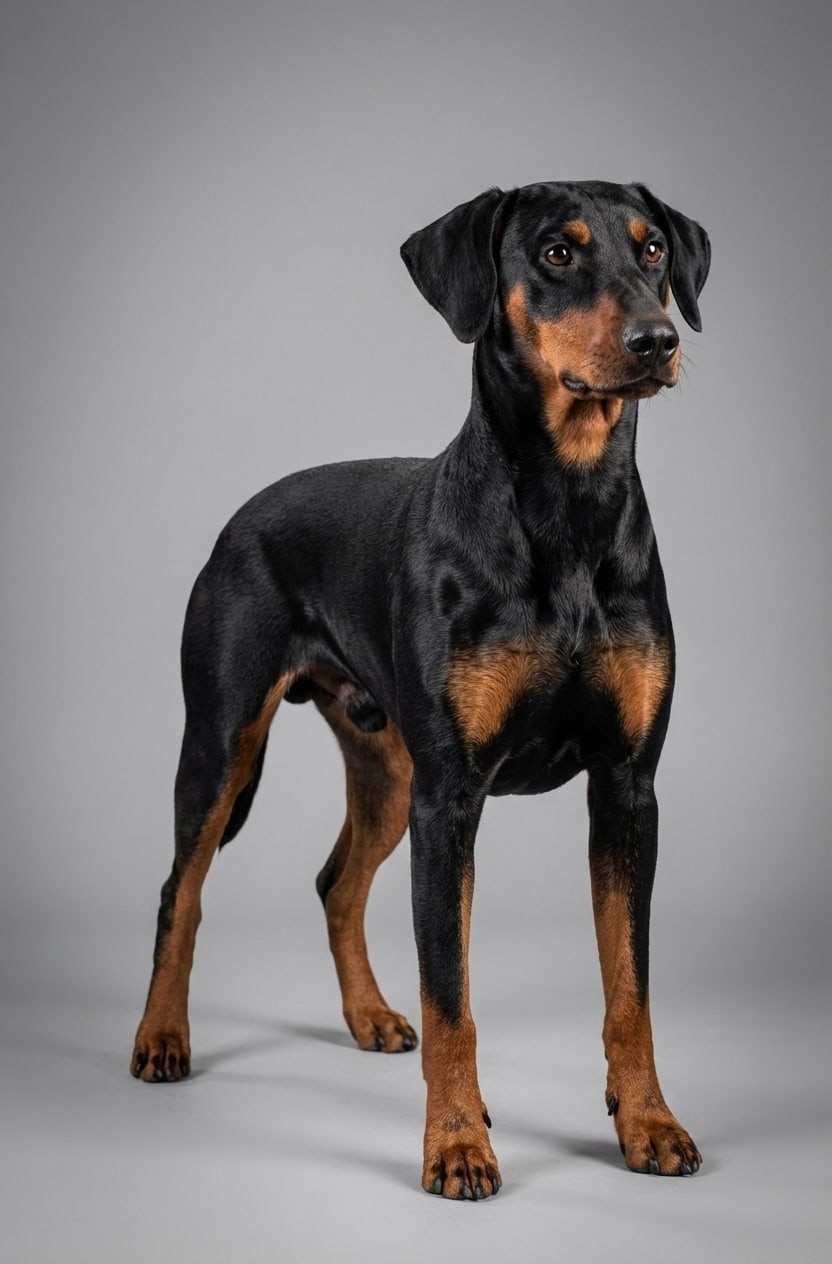
Origin and Development
The Koolie, also known as the Australian Koolie or "German Coolie," is an Australian dog breed with a rich history dating back to the early 19th century. It was bred from imported British working dogs, with the British background predominating in the dogs associated with the "German collie" name.
Robert Kaleski, in an article from 1903, described the "Welsh heeler or merle" as a "blue-gray dog about the size and build of a smooth-haired collie, generally with wall eyes. " The Koolie's development was focused on its ability to work rather than its conformation, leading to substantial variation in the breed across different regions of Australia.
These dogs were bred to meet the needs of stockmen, graziers, and farmers, all of whom required agility, adaptability, and a strong willingness to work. The Koolie's versatility is evident in its various types or strains, each adapted to specific tasks such as mustering cattle over long distances or flushing low-lying cattle from dense bush and gullies.
Historically, the Koolie was used in the vast outback regions of Australia, where its endurance and intelligence were crucial for the demanding work of rounding up sheep and cattle. The breed's development was driven by the practical needs of its working environment, resulting in a highly adaptable and resilient dog.
Appearance and Size
The Koolie is a medium-sized dog, with males typically standing between 43 to 58 cm (17 to 20 inches) tall at the shoulder, and females slightly smaller, ranging from 41 to 56 cm (16 to 19 inches). Their weight ranges from 15 to 25 kg (33 to 55 lbs) for males and 14 to 24 kg (30 to 53 lbs) for females.
These dogs are known for their athletic and agile build, with strong stamina, and are often seen in the striking merle coat pattern. The coat can range from short and smooth to medium in length, with the majority of owners preferring the short/smooth coat for ease of maintenance.
While the solid red or black Koolie may be mistaken for Kelpies, and some bi-coloured Koolies may be taken for Border Collies, the Koolie's coat pattern and coloration are diverse, including solid colors and various combinations of merle patterns. The merle pattern is particularly prized for its unique appearance and is a result of a genetic mutation that affects coat color and pattern.
Temperament and Behavior
The Koolie is an energetic, intelligent, and loyal dog with a strong work ethic. They are alert and devoted, often displaying a silent, upright working style. This breed is known for its herding ability, with a natural instinct to circle widely around sheep and bring them back to their owner.
They are also known for their strong bond with their handlers, often working closely with them to complete tasks.
Health Considerations
The median lifespan of the Koolie is approximately 15 years, which is typical for the breed. However, certain health conditions can affect the Koolie, including hip dysplasia, which can lead to mobility issues, and epilepsy, which can cause seizures.
The merle coat pattern, which is a hallmark of the Koolie, can lead to sight and hearing defects in offspring if two merle dogs are bred together. This is due to the genetic mutation that causes the merle pattern, which can also affect the dog's sensory organs.
The Australian Koolie Association, the only Koolie breed registry, requires mandatory DNA breed ID testing and health screenings for stud dogs to maintain the breed's health and reduce the incidence of genetic disorders. This includes testing for hip dysplasia, elbow dysplasia, and eye disorders.
Coat and Coloration
The Koolie's coat can vary in length, with the majority of owners preferring the short/smooth coat for its ease of maintenance. The coat is typically slightly longer than the dog's height, and the majority of Koolies are seen in the merle coat pattern.
Coloration ranges from solid colors such as black, red, chocolate, cream, and dilute red or black, to merle patterns with large splashes of darker colorings. Yellow/cream can also be displayed in dogs that are homozygous recessive on the "E locus," a recessive red also known as Australian Red in some breeds.
In 2019, many Koolie breeders participated in a research project to find a DNA test for the Merle gene, as it was believed that many non-Merle-looking dogs could be genetically Merle and have issues when bred to a Merle. This research aimed to improve breeding practices and reduce the risk of genetic health issues in the breed.
Herding Technique and Working Ability
The Koolie is highly valued for its herding instincts and trainability. They are known for their ability to head, heel, drive, cast, block, and back, making them versatile in various herding scenarios.
These dogs are at ease working in closed surroundings such as yards or trucks and are equally comfortable in paddocks and droving. They can herd a wide range of animals, from sheep to bulls, and even family members and children in the absence of other charges.
Herding instincts and trainability can be measured at non-competitive herding tests, and Koolies with basic herding instincts can be trained to compete in stock dog trials.
History and Recognition
The Koolie's ancestors are thought to be the collies imported from Scotland. During the industrial era, some bloodlines were influenced by Kelpie and Border Collie, reflecting the breed's adaptability and versatility.
In 2000, the Koolie Club of Australia was formed to preserve and promote the Koolie breed. The Working Koolie Association and Australian Koolie Association were later established to further support the breed.
In 2004, the Koolie breed was recognized by the Australian Sporting Registrar, allowing judges from the Australian National Kennel Council (ANKC) to judge Koolies in all ANKC-sanctioned sporting trials. In Victoria, New South Wales, and Queensland, registered Koolies may compete in herding, obedience, tracking, jumping, gambles, and dog agility events.
In 2006, the Stockdog Committee of the Australian Shepherd Club of America voted to accept the "Koolie/German Coolie" into their list of recognized and accepted herding breeds, and the American Herding Breed Association followed suit, recognizing the Koolie as an accepted breed. This recognition highlights the Koolie's status as a versatile and capable working dog.
Buying a Koolie: What to Consider
- Ensure the Koolie is from a reputable breeder who conducts health screenings and DNA testing.
- Consider the dog's energy level and work ethic, as Koolies require consistent training and mental stimulation.
- Understand the breed's history and working background to provide a suitable environment and activities.
- Be prepared for the Koolie's strong herding instincts and ensure there is enough space for the dog to exercise and engage in herding activities.
Frequently Asked Questions
What is the lifespan of the Koolie?
The average lifespan of the Koolie is about 12-18 years. Good nutrition and regular veterinary care support a healthy life.
What is the temperament of the Koolie?
The Koolie is known for: Energetic, Intelligent, Loyal, Work-focused, Alert, Devoted. Its energy level is high.
What size and weight is the Koolie?
It is a large dog, typically around Male: 15-25; Female: 14-24 kg as an adult.
Is the Koolie easy to care for?
Reliable grooming and shedding ratings are not available. Routine brushing, ear and dental care, and nail trims are still recommended.
Is the Koolie good with kids and other pets?
Reliable child- and pet-friendliness ratings are not available. Supervised, gradual introductions are recommended.
How much exercise does the Koolie need?
With a high energy level, it needs walks, play or training matched to its stamina.
Koolie
Trait Scores
N/A