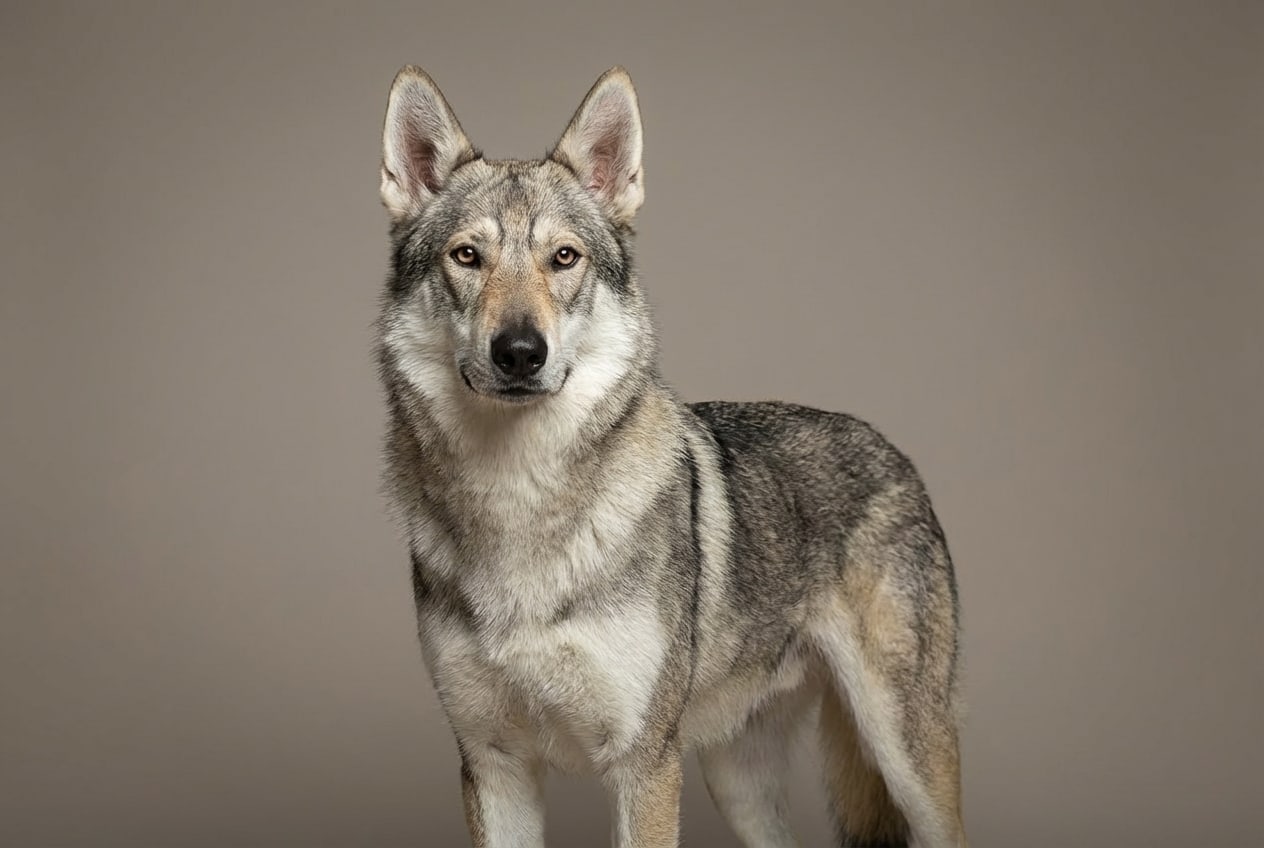
Origin and History
The Kooikerhondje, a small, agile spaniel-type dog, has its roots in the Netherlands. This breed was originally bred as a working dog, specifically for luring ducks into traps. Its history dates back to the 16th century, and it made frequent appearances in paintings from the Dutch Golden Age, showcasing its significance in Dutch culture. The breed's name is derived from the Dutch word "kooiker," meaning "duck hunter," and "hondje," meaning "little dog. " During this period, Kooikerhondjes were depicted alongside hunters in works by artists such as Jan Steen and Frans Hals, highlighting their role in Dutch society.
The Kooikerhondje was developed to mimic the hunting style of foxes, as Dutch hunters observed that ducks were enticed by foxes playing near water, as long as they did not make eye contact. This unique hunting method, known as the "Kooiker style," was instrumental in the breed's development. The Kooikerhondje's agility, speed, and ability to work silently in water were highly valued by hunters.
During World War II, the Kooikerhondje breed nearly became extinct. However, Baroness van Hardenbroek van Ammerstol played a crucial role in rescuing the breed by establishing a breeding program. It was not officially recognized by the Dutch Kennel Club until 1971, and the breed's registry was established in 1972. Since then, the Kooikerhondje has gained recognition in other countries, including the United States, where the American Kennel Club recognized the breed in 2018. The breed has seen a surge in popularity in the 2020s, particularly in urban areas where its small size and friendly nature are well-suited to apartment living.
Appearance and Physical Characteristics
The Kooikerhondje is a small, spaniel-like sporting dog with a distinctive appearance. Males typically stand at a height of 38 to 43 centimeters (15 to 16 inches), while females range from 36 to 41 centimeters (14 to 16 inches). This breed has a wavy, medium-length double coat, predominantly white with orange-red coloration. Some individuals may have black ear tips, known as "earrings," which are a result of the breed's hunting heritage.
The breed's tail is particularly noteworthy, as it is white and plumed, designed to attract ducks during hunting. The tail is carried in a sickle shape when the dog is at rest and can be carried over the back when the dog is in motion. This tail is often a key identifier of the Kooikerhondje and is a result of selective breeding for hunting purposes.
Temperament and Personality
The Kooikerhondje is known for its friendly, intelligent, and alert temperament. This breed is energetic and cheerful, making it a great companion for active individuals or families. They are adaptable, which allows them to fit into various living situations, from rural homes with access to open spaces to urban apartments with regular walks and playtime.
Their intelligence and trainability make them responsive to training, which is beneficial for both their physical and mental well-being. Kooikerhondjes are often described as "Velcro dogs" due to their strong bond with their owners, seeking constant attention and companionship.
Health Considerations
Like many purebred dogs, the Kooikerhondje is prone to certain heritable diseases. These include inflammatory myopathy, Type III von Willebrand's disease, necrotizing myelopathy, renal dysplasia, patellar luxation, and ataxia. A study of 842 Kooikerhondjes found that patellar luxation was prevalent in 24% of dogs scanned, although the prevalence has decreased from 28% to 19% between 1994 and 2011.
Early detection and management of these conditions can significantly improve the quality of life for Kooikerhondjes. Responsible breeders often participate in health screenings to reduce the incidence of hereditary diseases within the breed.
Breeder Purpose and Working Abilities
The Kooikerhondje was bred for its sporting abilities, particularly in waterfowl hunting. Their original purpose was to lure ducks into traps, showcasing their remarkable working abilities. The breed's natural retrieving instincts and agility in the water make them highly effective at this task.
While the Kooikerhondje's primary purpose was hunting, their adaptability and friendly nature have made them popular as family pets. Their natural retrieving instincts can be channeled into various dog sports and activities, such as agility and flyball. Many Kooikerhondjes excel in these activities, demonstrating their intelligence and physical prowess.
Lifestyle and Care Requirements
Due to their intelligence and trainability, Kooikerhondjes respond well to positive reinforcement training methods.
They should be introduced to various people, pets, and environments during their formative months to develop a confident and friendly demeanor.
Buying a Kooikerhondje: A Practical Checklist
- Research reputable breeders who prioritize health and temperament.
- Ask about the puppy's health history and any known genetic conditions, including patellar luxation, which has been prevalent in the breed.
- Ensure the puppy has received appropriate vaccinations and deworming, as well as a clear bill of health from a veterinarian.
- Consider the long-term commitment of owning a Kooikerhondje, including grooming, exercise, and veterinary care, especially for managing potential health issues.
- Visit the puppy in its home environment to assess the breeder's care practices and the overall health and well-being of the puppy.
Frequently Asked Questions
What is the lifespan of the Kooikerhondje?
The average lifespan of the Kooikerhondje is about 12-15 years. Good nutrition and regular veterinary care support a healthy life.
What is the temperament of the Kooikerhondje?
The Kooikerhondje is known for: Friendly, Intelligent, Alert, Energetic, Cheerful, Adaptable. Its energy level is high.
What size and weight is the Kooikerhondje?
It is a medium-sized dog, typically around 9-14 kg as an adult.
Is the Kooikerhondje easy to care for?
Reliable grooming and shedding ratings are not available. Routine brushing, ear and dental care, and nail trims are still recommended.
Is the Kooikerhondje good with kids and other pets?
Reliable child- and pet-friendliness ratings are not available. Supervised, gradual introductions are recommended.
How much exercise does the Kooikerhondje need?
With a high energy level, it needs walks, play or training matched to its stamina.
Kooikerhondje
Trait Scores
N/A