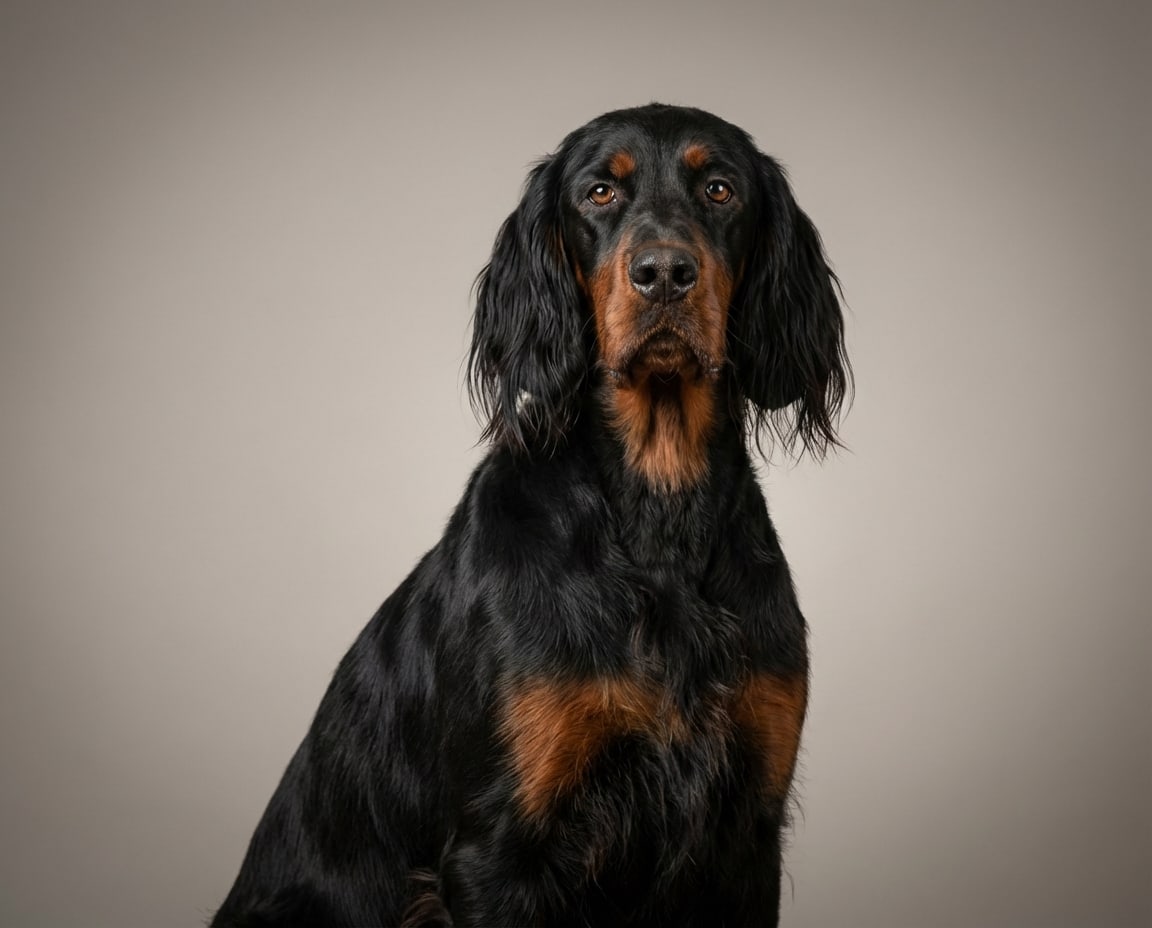
Origin and History
The Komondor, also known as the Hungarian sheepdog, is a breed with a rich history tracing back to the Cumans, a Turkic-speaking, nomadic people who settled in Hungary during the 12th and 13th centuries. The breed's name, Komondor, translates to "Cuman dog" and originates from the Cumans' homeland, which may have been near the Yellow River in Asia. The Komondor was brought to Europe by the Cumans and has been a part of Hungarian culture since at least 1544, when it was first mentioned in a Hungarian codex.
During the 10th century, the Mongols expanded their territories, forcing the Cumans to move westward. The Cumans eventually settled in Hungary in 1239 under Köten Khan. Komondor remains have been found in Cuman gravesites, indicating the breed's ancient origins and its importance to the Cumans. The breed has since been an integral part of Hungarian farming culture, particularly in the pastoral regions.
The Komondor is related to other livestock guardian breeds such as the South Russian Ovcharka, the Puli, and the Old English Sheepdog. These breeds share similar traits and were bred for their protective abilities and loyalty to their flock. The breed has been declared one of Hungary's national treasures, to be preserved and protected from modification. The Komondor has played a crucial role in the development of Hungarian livestock farming and continues to be a symbol of the nation's cultural heritage.
Physical Description
The Komondor is a large, muscular dog with a distinctive white corded coat that resembles a mop. This coat, unique to the breed, forms through a natural process where the outer coat matts and the inner coat falls out, leaving long fibers to interlock. The breed is built for endurance and protection, with a robust body, strongly muscled long legs, and a short back. The tail is carried with a slight curl, and the body forms a prone rectangle when seen sideways, making it appear even larger than its actual size. The length of the body is slightly longer than the height at the withers.
Male Komondors typically stand at a height of 70 to 80 cm (27.5 to 31.5 inches) at the withers, with an average weight of 45 to 59 kg (110 to 132 lb). Female Komondors have a minimum height of 65 cm (25.5 inches) at the withers, with an average height of 70 cm (27.5 inches) and an average weight of 36 to 50 kg (88 to 110 lb). This size and weight make them a formidable presence and effective guardians.
The coat of the Komondor is long, thick, and corded, taking about two years to fully form. The cords increase in length as the dog grows, and moulting is minimal once the cords are fully formed. This coat provides excellent protection against the elements and predators, and it can be discolored by the environment if not washed regularly.
Temperament and Behavior
The Komondor is a loyal, protective, and independent breed with a dignified and courageous demeanor. They are calm and steady when things are normal but will fearlessly defend their charges in case of trouble. The Komondor is affectionate with its family and gentle with children and friends of the family, but it is wary of strangers and protective of its territory. This territorial nature is one of the breed's strengths as a guardian.
This breed is very good with other family pets and will often protect them, but it is intolerant of trespassing animals. The Komondor is vigilant and will rest during the day, keeping an eye on its surroundings, but at night, it is constantly moving, patrolling its territory. The dogs will usually knock down intruders and keep them down until their owner arrives.
While the Komondor is a working breed, it requires a lot of space and is not suitable for apartment living. The breed is intelligent and capable of making decisions on its own, which can make training a challenge. However, with consistent and patient training, the Komondor can be a well-behaved and loyal companion. The training process is often made more complex by the Komondor's strong-willed nature and the need to establish leadership clearly.
Health Considerations
Owners should be aware of potential health concerns such as hip dysplasia, elbow dysplasia, and bloat. Hip and elbow dysplasia are common in large breeds and can lead to pain and mobility issues if not properly managed. Bloat, a serious condition that can be life-threatening, occurs when gas builds up in the stomach, leading to torsion.
The thick, corded coat of the Komondor can also present challenges.
Breeding and Registration
The Komondor is not recognized by all kennel clubs, and registration may be limited. Potential owners should research reputable breeders and ensure that their Komondor comes from a healthy and well-cared-for background. The United Kennel Club (UKC) and the American Kennel Club (AKC) do recognize the breed, but not all countries have similar recognition.
Breeding standards for the Komondor emphasize the breed's protective instincts, working ability, and distinctive appearance. Breeders focus on maintaining the breed's natural guardian instincts and ensuring that the dogs are healthy, well-tempered, and capable of performing their intended roles. These standards help preserve the breed's character and ensure the production of healthy puppies.
The Komondor's breeding history is closely tied to its role as a livestock guardian. Selective breeding has been aimed at enhancing protective traits while also addressing any hereditary health issues that may affect the breed. Responsible breeders prioritize the long-term health and welfare of the Komondor, which includes screening for genetic diseases and providing appropriate socialization for the puppies.
Living with a Komondor
Living with a Komondor requires a commitment to the breed's needs. They are not suitable for apartment living and need a secure yard to roam and play. A home with a large, secure yard allows them to exercise their natural instincts and engage in their preferred activities, which contribute to their well-being.
Patience, consistency, and positive reinforcement are key to successful training. This breed's strong will and protective nature require a clear hierarchy and firm, fair leadership. Training sessions should be engaging and fun to maintain the Komondor's interest and prevent frustration.
This can be a time-consuming task, so owners should be prepared to invest the necessary time and effort. Despite the challenges, the Komondor can be a loyal, protective, and rewarding companion for the right owner. Their loyalty and dedication are well-known, and the bond they form with their families can be deeply fulfilling.
Buyer's Checklist
- Understand the breed's needs for space, exercise, and grooming.
- Be prepared for the challenges of training an independent and protective dog.
- Ensure the dog has access to a secure, spacious environment.
- Be financially prepared for the costs of maintaining a large breed with specific grooming and health needs.
- Be ready for the potential of genetic health issues and the associated veterinary care.
- Be aware of the breed's territorial nature and ensure it will be well-integrated into your community and neighborhood.
Frequently Asked Questions
What is the lifespan of the Komondor?
The average lifespan of the Komondor is about 10-12 years. Good nutrition and regular veterinary care support a healthy life.
What is the temperament of the Komondor?
The Komondor is known for: Loyal, Protective, Independent, Courageous, Calm. Its energy level is low.
What size and weight is the Komondor?
It is a large dog, typically around Male: 45-59; Female: 36-50 kg as an adult.
Is the Komondor easy to care for?
Reliable grooming and shedding ratings are not available. Routine brushing, ear and dental care, and nail trims are still recommended.
Is the Komondor good with kids and other pets?
Reliable child- and pet-friendliness ratings are not available. Supervised, gradual introductions are recommended.
How much exercise does the Komondor need?
With a low energy level, it needs walks, play or training matched to its stamina.
Komondor
Trait Scores
N/A