Origin and Recognition
The Kokoni, a small ancient Greek companion dog, originated in Greece and has a rich history that dates back to the fifth century BCE. These dogs were depicted on ancient Greek vases, illustrating their role as cherished household pets. The breed was officially recognized by the Kennel Club of Greece in 2004, though it is not recognized by the Fédération Cynologique Internationale (FCI). The FCI's lack of recognition does not diminish the breed's significance or its place in Greek culture and history.
Historical texts and archaeological findings suggest that small dogs resembling the Kokoni were common in Greek homes, valued for their companionship and alert nature. Their presence in ancient art, including vase paintings and sculptures, indicates a long-standing relationship with humans in Greek society. Figures such as Aristotle and Pindar are believed to have owned and written about these dogs, further cementing their place in Greek history.
Physical Characteristics
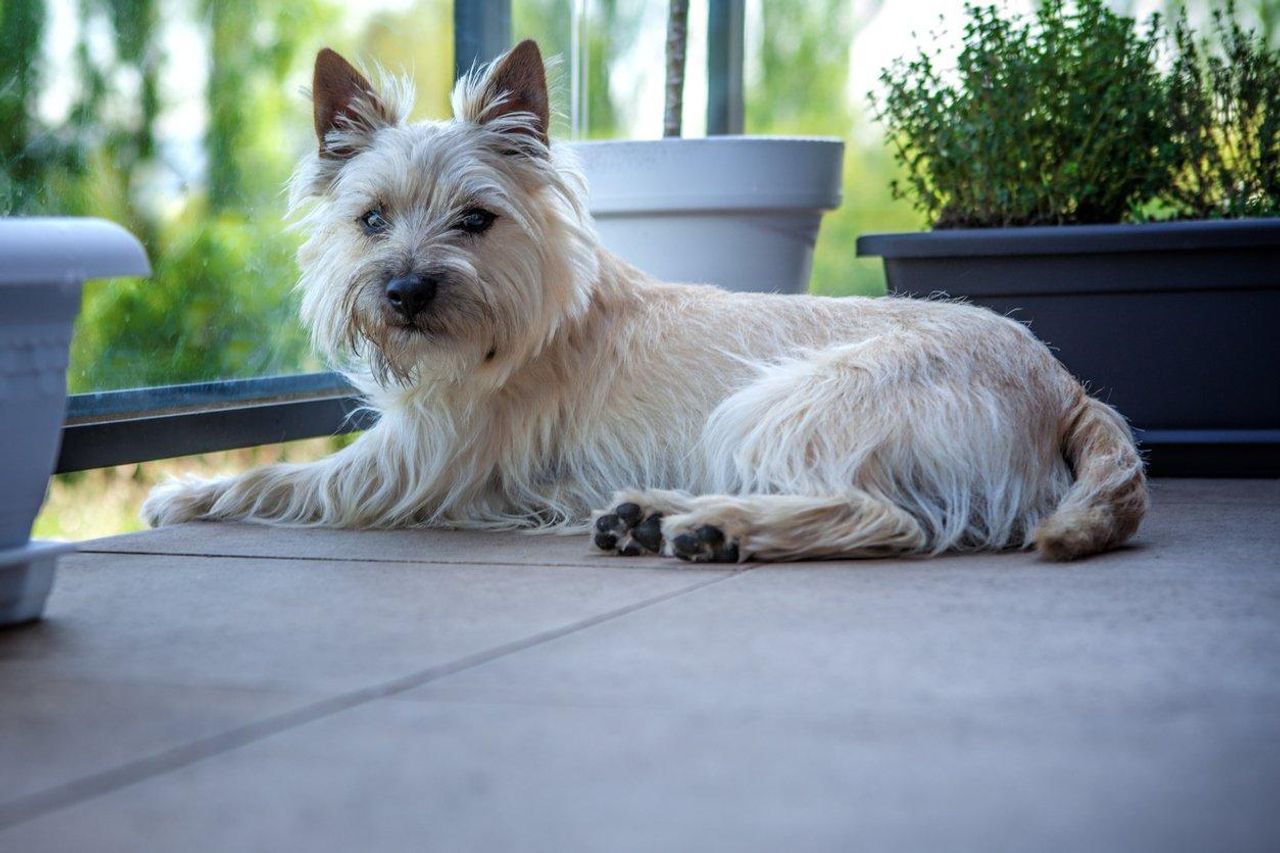
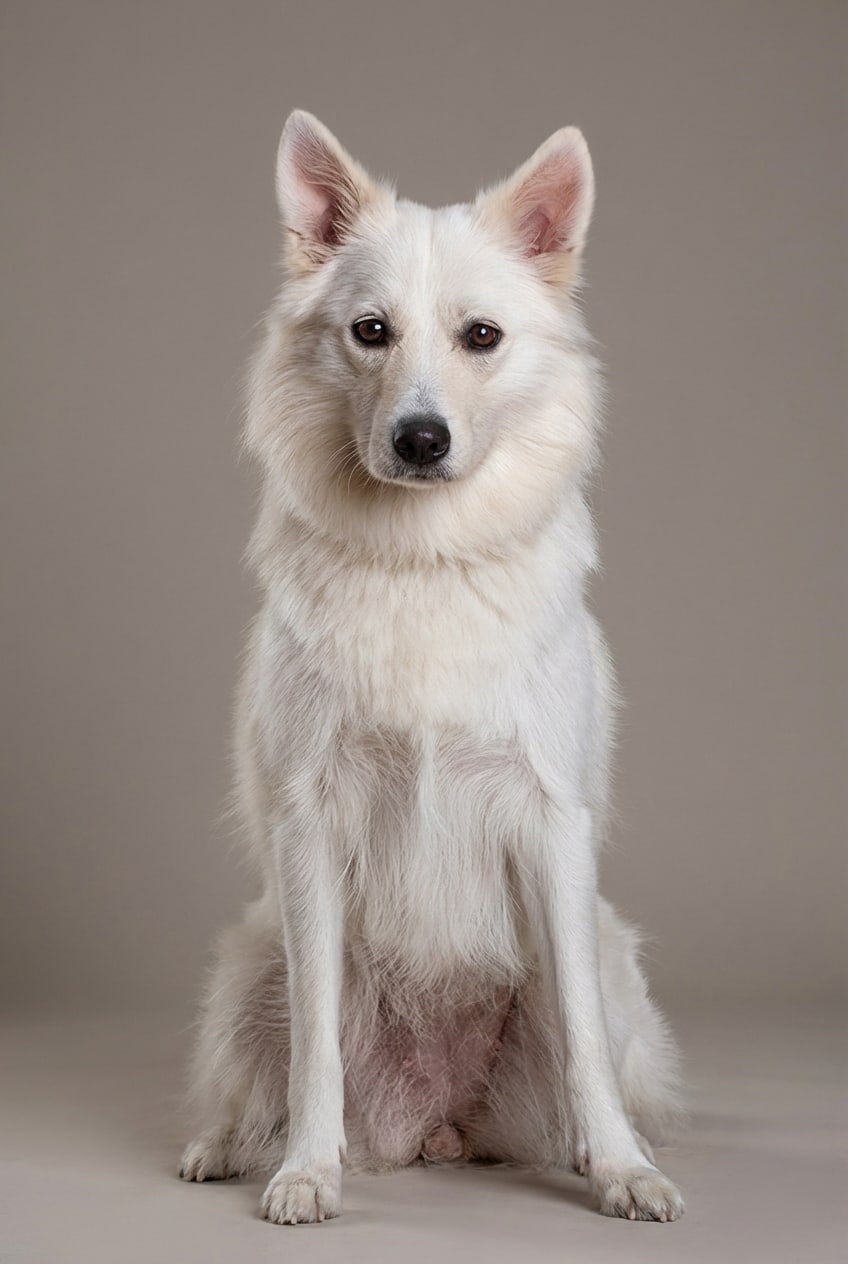
The Kokoni is a small dog with a height at the withers of 24-28 cm for males and about 1 cm less for females. Males typically weigh between 4 and 8 kg, while females have similar weight ranges. Their body is longer than it is tall, featuring dropped ears, a short muzzle, and a bushy tail that is carried in a curve. The breed's coat is medium in length and fluffy, with a dense undercoat that provides insulation against the Greek climate.
The Kokoni's coat comes in a variety of colors, including black, white, gray, and combinations thereof. The breed standard emphasizes a coat that is free from mats and tangles, reflecting the breed's ancient grooming practices.
Temperament and Personality
The Kokoni is known for its friendly, intelligent, alert, playful, affectionate, and loyal temperament. These dogs are great companions, forming strong bonds with their owners. Their lively nature makes them enjoyable pets for those who appreciate a spirited and affectionate companion. The breed's alertness makes them excellent watch dogs, as they are quick to respond to changes in their environment.
Their intelligence and trainability make them highly responsive to training, which can be a rewarding experience for both owner and dog.
Health and Genetic Considerations
As with any dog, the Kokoni may be susceptible to common canine health problems, such as dental issues, hip dysplasia, and certain skin conditions. Owners should be aware of the potential for these conditions and should consult with a veterinarian for regular health checks and appropriate preventive measures.
Genetic testing is available for certain conditions, such as hip dysplasia and patellar luxation, which can be prevalent in small breeds. Responsible breeders conduct these tests to ensure the health and longevity of the breed.
Life Span and Care
The life span of the Kokoni is not recorded, but it is a small breed with a generally healthy disposition. Their high energy level necessitates daily exercise to keep them fit and happy, which can include short walks, play sessions, and mental stimulation activities.
Training should be started early to ensure the Kokoni's intelligence and trainability are fully developed. Their friendly nature makes them suitable for families with children, though supervision is always recommended when introducing dogs to young children.
Adaptability and Compatibility
The Kokoni is not recognized for its adaptability, which is rated as 'None' on a scale of 0-5. This rating reflects the breed's specific needs and preferences, which may not align with all living situations. Given their high energy level, the Kokoni may not be the best choice for those seeking a low-maintenance pet. Their social needs are moderate, and they do well in homes where they can interact with people and other pets.
Buyer's Checklist and Cost Realism
When considering a Kokoni, potential owners should consider the following factors:
- Understanding of the breed's energetic and intelligent nature, requiring consistent training and mental stimulation.
- Able to provide a safe and nurturing environment that meets the Kokoni's social and physical needs.
- Ready for the potential costs associated with veterinary care and grooming.
The cost of a Kokoni can vary, depending on factors such as breeder reputation, health clearances, and bloodline. On average, a Kokoni puppy may cost between €500 to €1000. Potential owners should research and select a reputable breeder to ensure they are getting a healthy and well-socialized puppy.
Frequently Asked Questions
What is the temperament of the Kokoni?
The Kokoni is known for: Friendly, Intelligent, Alert, Playful, Affectionate, Loyal. Its energy level is high.
What size and weight is the Kokoni?
It is a medium-sized dog, typically around 4-6 kg as an adult.
Is the Kokoni easy to care for?
Reliable grooming and shedding ratings are not available. Routine brushing, ear and dental care, and nail trims are still recommended.
Is the Kokoni good with kids and other pets?
Reliable child- and pet-friendliness ratings are not available. Supervised, gradual introductions are recommended.
How much exercise does the Kokoni need?
With a high energy level, it needs walks, play or training matched to its stamina.
Kokoni
Trait Scores
N/A