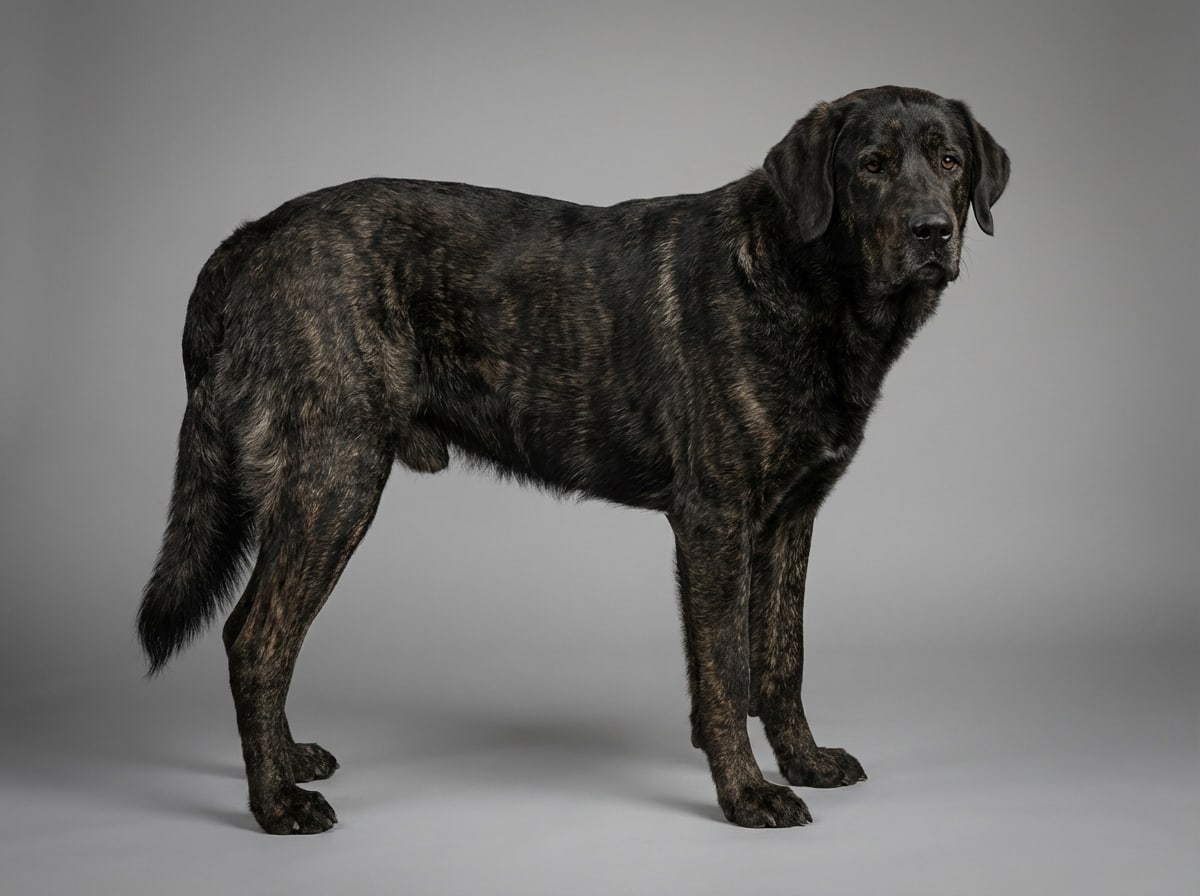
Origin and Historical Significance
The Kishu Ken is a Japanese breed of dog that originated from the Kii Peninsula, encompassing the modern regions of Mie Prefecture and Wakayama Prefecture. This breed has a rich history, dating back to prehistoric times when it was highly valued for its abilities in hunting boar and deer. In 1934, the Kishu Ken was designated a living national monument of Japan, reflecting its cultural and historical significance.
The breed's name, Kishu Ken, is derived from the Kishu region, and it is believed to have descended from ancient medium-sized breeds. One legend from the Kii Peninsula suggests that the first boar dog, and thus the progenitor of the Kishu breed, was a Honshu Wolf pup gifted to a hunter. This tale, while varying in detail, has had a lasting impact on the breed's identity, with many Kishu dogs including the word "wolf" in their names.
Until the 1930s, the Kishu Ken was not officially identified as a breed. It was during this time that a Japanese breeder, Haruo Isogai, conducted a study that classified all native Japanese dog breeds into three categories: large-, medium-, and small-sized. The Kishu Ken was classified as a medium-sized dog and was not standardized until 1934. Initially, approximately 70% of the dogs in this area were non-white, but the popularity of a primarily white line of Kishu Ken has led to the white coat becoming the predominant color.
Breed Standard and Appearance
The Kishu Ken is a medium-sized dog, with males typically standing 48-56 cm and weighing 16-27 kg, while females are 43-51 cm tall and weigh 14-23 kg. This breed is known for its well-balanced and robust physique, with a sturdy body and a thick undercoat that provides warmth and protection.
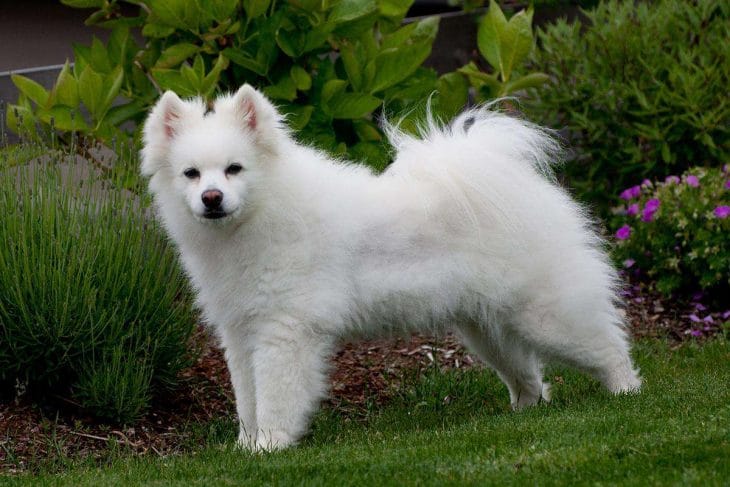
The standard only permits solid colored dogs to be shown, with accepted show colors including white, sesame, red, and black & tan. The most common and preferred coat color is white, as it helps the dogs stand out from prey, reducing the risk of accidental harm during hunting. The nose is black, but flesh-colored noses are permitted in white-coated dogs. The bite is either scissor or level, and the tail is either carried in a sickle or curled over the back. The coat is short, straight, and coarse, with a thick undercoat and distinctive fringe on the cheeks and tail. The ears incline forward and are proportionate to the head and overall dog size.
The eyes of the Kishu Ken should be clam-shaped, with a slight arc from the inner corner to the outer corner, giving them an alert and intelligent appearance. This breed is known for its agility, toughness, and friendly nature, making it a versatile companion both in and out of the hunting field.
Temperament and Behavior
The Kishu Ken is a loyal and intelligent breed, known for its alertness, courage, and independence. They are courageous and brave, which is evident in their hunting instincts, and they are known to be loyal to their owners.
They are known for their independence, which can sometimes manifest as a headstrong and willful nature.
The Kishu Ken can be aloof or shy around strangers and are easily housebroken. They are intelligent and strong-willed, which requires consistent training and clear boundaries. Despite their independence, they can form strong bonds with their families and enjoy their company.
Health and Genetics
The Kishu Ken is generally a healthy breed, but like all dogs, they can be prone to certain health issues. Limited data suggests that they may not be as prone to joint deformities as some of their sibling breeds, with most having deformity-free hip joints. However, elbow dysplasia is a concern that may require screening as more breed-specific data becomes available.
Instead of physical deformities, the Kishu Ken may be more prone to allergies, autoimmune illnesses, or skin conditions. Allergies to grass and dust mites are common, and some individuals may suffer from dermatitis that responds to common steroids. Addison's Disease, an autoimmune condition affecting hormone production in the adrenal glands, and hypothyroidism are also noted in the breed.
Eye health is another concern for the Kishu Ken. Persistent Pupillary Membranes and entropion are common eye issues that may require surgery. Juvenile cataracts have also been observed in the breed. The AKC Kishu Ken parent club has submitted the breed to the Orthopedic Foundation for Animals (OFA) for their CHIC (Canine Health Information Center) program, recommending screenings for eyes, thyroid, dentition, DNA banking, and joints.
Grooming and Exercise Needs
The Kishu Ken has a short, straight, and coarse coat with a thick undercoat, which sheds once or twice a year. Bathing should be done as necessary, and ears should be checked regularly for wax build-up, infection, or dirt. Nails should be trimmed regularly to prevent overgrowth and discomfort.
This breed requires adequate space to roam and exercise. A yard or an urban environment with a fence is ideal for this breed, as they enjoy having space to explore and a job to do.
The Kishu Ken is known for their intelligence and strong will, which requires consistent training and clear boundaries.
Breeding and Registries
The Kishu Ken is registered with the Japan Kennel Club (JKC) and the Nihon Ken Hozonkai (NIPPO), the main registry of the breed in its parent country. The NIPPO is responsible for the original breed standard, and the Kishu has been recognized as a living natural monument in Japan since 1934.
In the United States, the Kishu Ken is listed as a Foundation Stock breed with the American Kennel Club (AKC). The National Kishu Ken Club became the official parent club of the breed in 2022, and in 2023, the Kishu Ken was moved from the Working Group to the Hound Group to recognize its function and history as a hunting dog.
Breeding Kishu Kens involves careful consideration of their health and genetics, with recommendations for screenings for eyes, thyroid, dentition, DNA banking, and joints.
Buyer's Checklist and Cost Realism
- Ensure that the breeder is registered with a recognized kennel club such as the JKC or AKC.
- Check for health clearances and certifications, particularly for elbow dysplasia, allergies, and eye issues.
- Understand the ongoing costs of owning a Kishu Ken, including grooming, exercise, and healthcare.
A well-bred Kishu Ken can be a loyal, intelligent, and companionable addition to the right family.
Frequently Asked Questions
What is the lifespan of the Kishu Ken?
The average lifespan of the Kishu Ken is about 11-13 years. Good nutrition and regular veterinary care support a healthy life.
What is the temperament of the Kishu Ken?
The Kishu Ken is known for: Loyal, Intelligent, Alert, Courageous, Independent, Reserved. Its energy level is moderate.
What size and weight is the Kishu Ken?
It is a large dog, typically around Male: 16-27; Female: 14-23 kg as an adult.
Is the Kishu Ken easy to care for?
Reliable grooming and shedding ratings are not available. Routine brushing, ear and dental care, and nail trims are still recommended.
Is the Kishu Ken good with kids and other pets?
Reliable child- and pet-friendliness ratings are not available. Supervised, gradual introductions are recommended.
How much exercise does the Kishu Ken need?
With a moderate energy level, it needs walks, play or training matched to its stamina.
Kishu Ken
Trait Scores
N/A