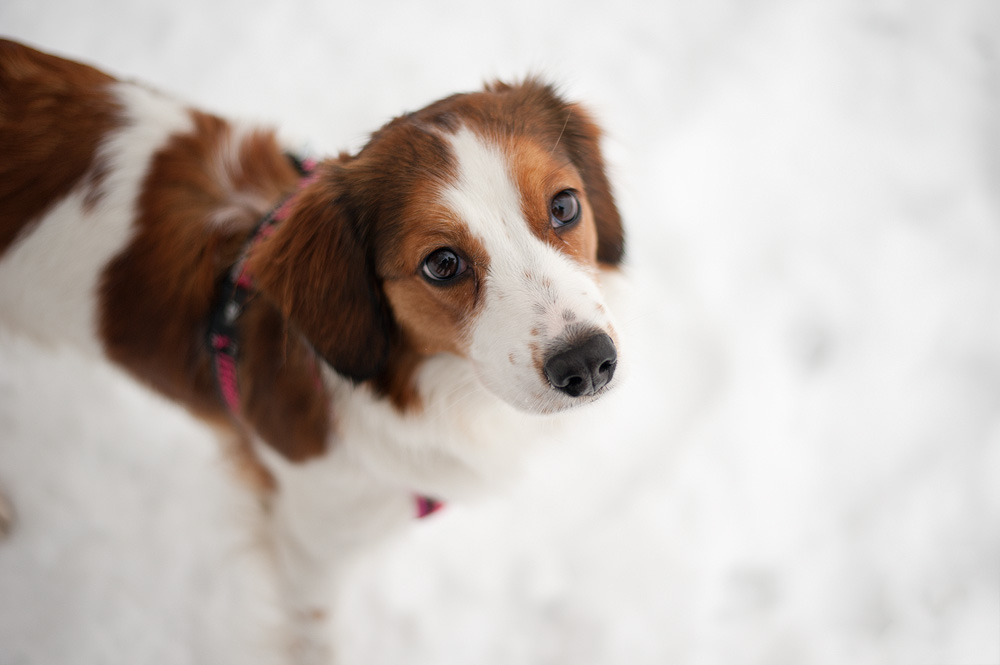
About the Kintamani Dog
The Kintamani dog, also known as the Kintamani-Bali Dog, is a unique breed native to the Kintamani region of Bali, Indonesia. Recognized by the Federation Cynologique Internationale (FCI) in 2019, this breed has its origins in the local Bali street dogs that have been developing within their unique gene pool since the 1926 rabies-control measure that banned foreign dogs from the island. This measure was a significant event in the breed's history, as it led to the development of a distinct genetic lineage.
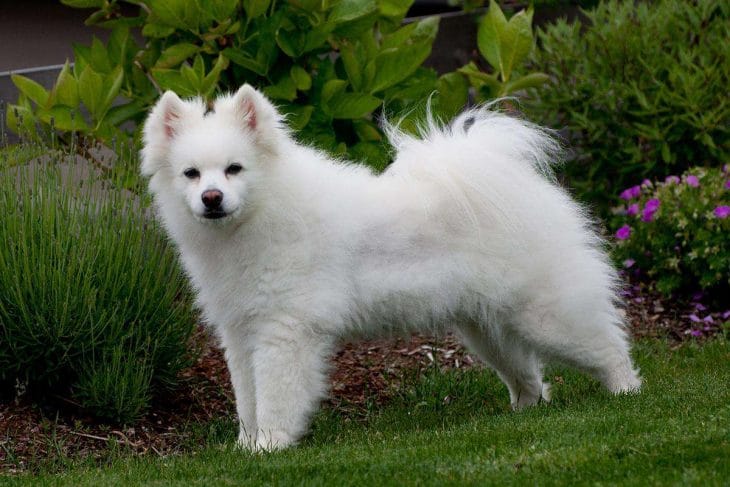
The Kintamani is a medium-sized spitz-type dog, known for its thick double coat, erect ears, and plumed curled tail. Their alert and intelligent disposition makes them a valued village guardian and companion dog. The breed's unique characteristics have been shaped by its environment and the needs of the local communities.
Genetically, the Kintamani is related to local island dogs on Bali, showing closest alignment with the Australian dingo and the New Guinea singing dog, while being distantly-related to AKC-recognized breeds of Asian origin. This genetic diversity contributes to the breed's resilience and adaptability.
Physical Characteristics
With a robust build, the Kintamani stands at a height of 41-56 cm for males and 43-51 cm for females. The weight of males typically ranges from 13-18 kg, while females weigh between 12-17 kg. Their coat is medium to long, and the most desirable color is white with apricot-tipped ears. Other accepted coat colors include fawn, red, brindle, and black, often with a preferred black mask.
The Kintamani has almond-shaped brown eyes and black skin pigment, contributing to its distinctive appearance. Their ears are erect, and the tail is forwardly curved and held at the midline. These physical features are indicative of the breed's spitz heritage and its role as a guardian dog.
Bali street dogs, from which the Kintamani originated, come in many colors and coat patterns, are almost always shorthaired, and have straight-to-curved tails, which is a feral dog trait that persists in the Kintamani breed. This trait reflects the breed's wild ancestry and its ability to adapt to various environments.
Temperament and Behavior
The Kintamani is a fiercely-independent breed, known for its aggressive territorial behavior. However, they can also be tender and affectionate with their own families. This dual nature makes them both a noteworthy watchdog and a beloved companion. Owners must be prepared for this complex temperament and provide consistent training and socialization.
While most dog breeds avoid climbing or heights, the Kintamani has an arboreal nature, likely inherited from the New Guinea singing dog, and will often be found climbing trees, roofs, or resting atop garden walls. This behavior is a unique aspect of the breed and requires a secure environment to prevent accidents.
These dogs are light-footed and move smoothly and lithely. They are alert and will bark or alert when faced with an unfamiliar sound or sight, making them excellent guardians. Their natural instincts as protectors are well-suited to their role in Bali's rural communities.
Life Span and Maintenance
The Kintamani has a moderate life expectancy of 12-15 years, which is typical for medium-sized breeds.
While not hypoallergenic, the Kintamani's coat is considered less likely to trigger allergies compared to breeds with thicker or oilier coats.
This includes daily walks, playtime, and opportunities to explore and climb.
Breeding and Standards
The Bangli Regency authority facilitates the Kintamani Dog Exhibition and Contest every year, aiming to promote the breed and guide Kintamani breeders in setting and maintaining breed standards. This event is a significant part of the breed's cultural heritage and a showcase of the breed's characteristics.
Breeders often confine the dogs to colder, dark caves near the Kintamani volcano to develop their thick white coat, which is a trait highly valued in the breed. This practice reflects the breed's adaptation to the volcanic landscape of Bali.
The authority has also initiated a demonstration pilot project in some villages to support the Kintamani breed and its development. This project aims to preserve the breed's genetic diversity and ensure its future.
Adoption and Ownership Considerations
When considering adopting a Kintamani, potential owners should be aware of their independent and territorial nature. They require a confident handler who can provide firm leadership and consistent training. This breed is not suitable for first-time dog owners or those seeking a passive pet.
They are not the best choice for apartment living or families without a garden. The Kintamani's need for physical activity and space to roam makes them better suited to homes with access to outdoor areas.
Buying a Kintamani Dog
Look for a dog with a thick white coat, apricot-tipped ears, and a well-proportioned body. These are key characteristics of the breed and should be present in a healthy Kintamani dog.
Additionally, consider the long-term commitment of providing for a dog with a life expectancy of 12-15 years.
- Ensure the dog has been properly vetted and has no known health issues.
- Ask about the dog's training and socialization history. A well-trained and socialized Kintamani will be more adaptable to different environments and situations.
- Observe the dog's behavior and temperament to ensure it's a good fit for your lifestyle. The Kintamani's independent nature requires a compatible owner who can provide the necessary structure and attention.
Frequently Asked Questions
What is the lifespan of the Kintamani?
The average lifespan of the Kintamani is about 12-15 years. Good nutrition and regular veterinary care support a healthy life.
What is the temperament of the Kintamani?
The Kintamani is known for: Alert, Intelligent, Loyal, Independent, Protective, Devoted. Its energy level is moderate.
What size and weight is the Kintamani?
It is a large dog, typically around Male: 13-18; Female: 12-17 kg as an adult.
Is the Kintamani easy to care for?
Reliable grooming and shedding ratings are not available. Routine brushing, ear and dental care, and nail trims are still recommended.
Is the Kintamani good with kids and other pets?
Reliable child- and pet-friendliness ratings are not available. Supervised, gradual introductions are recommended.
How much exercise does the Kintamani need?
With a moderate energy level, it needs walks, play or training matched to its stamina.
Kintamani
Trait Scores
N/A