Origin and History
The Keeshond, also known as the Dutch Barge Dog, originated in the Netherlands, where it was commonly seen on barges traveling the canals and rivers. The breed served as a symbol of the Patriot faction during political unrest in the years leading up to the French Revolution. Developed in England in the late 19th century from imports from the Netherlands and Germany, the Keeshond was first registered with the American Kennel Club in 1930.
The breed's name is derived from Cornelis (Kees) de Gyselaer, a 18th-century Dutch Patriot. The Keeshond was almost wiped out when the House of Orange returned to power, but it was later revived and recognized by the Fédération Cynologique Internationale (FCI) and the American Kennel Club in 1946.
Throughout its history, the Keeshond has been valued for its versatility, serving as a watchdog on barges, a companion dog, and even as a guide dog for the blind, although its lack of size has limited its use in this role. The breed has been a part of the United Kennel Club since 1949.
Appearance
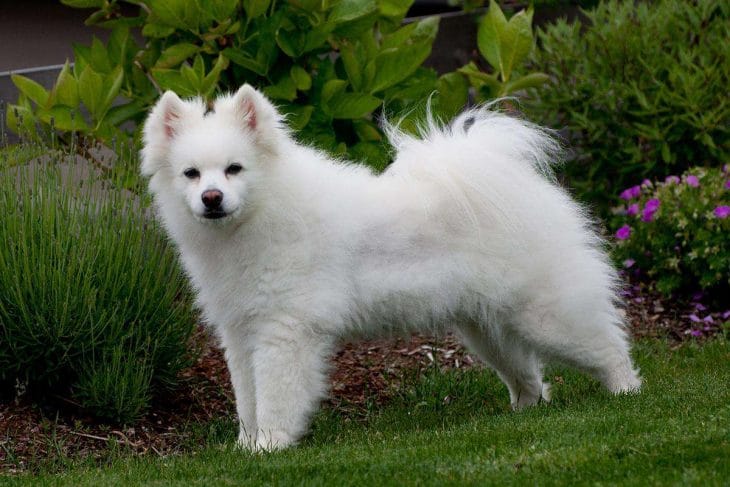
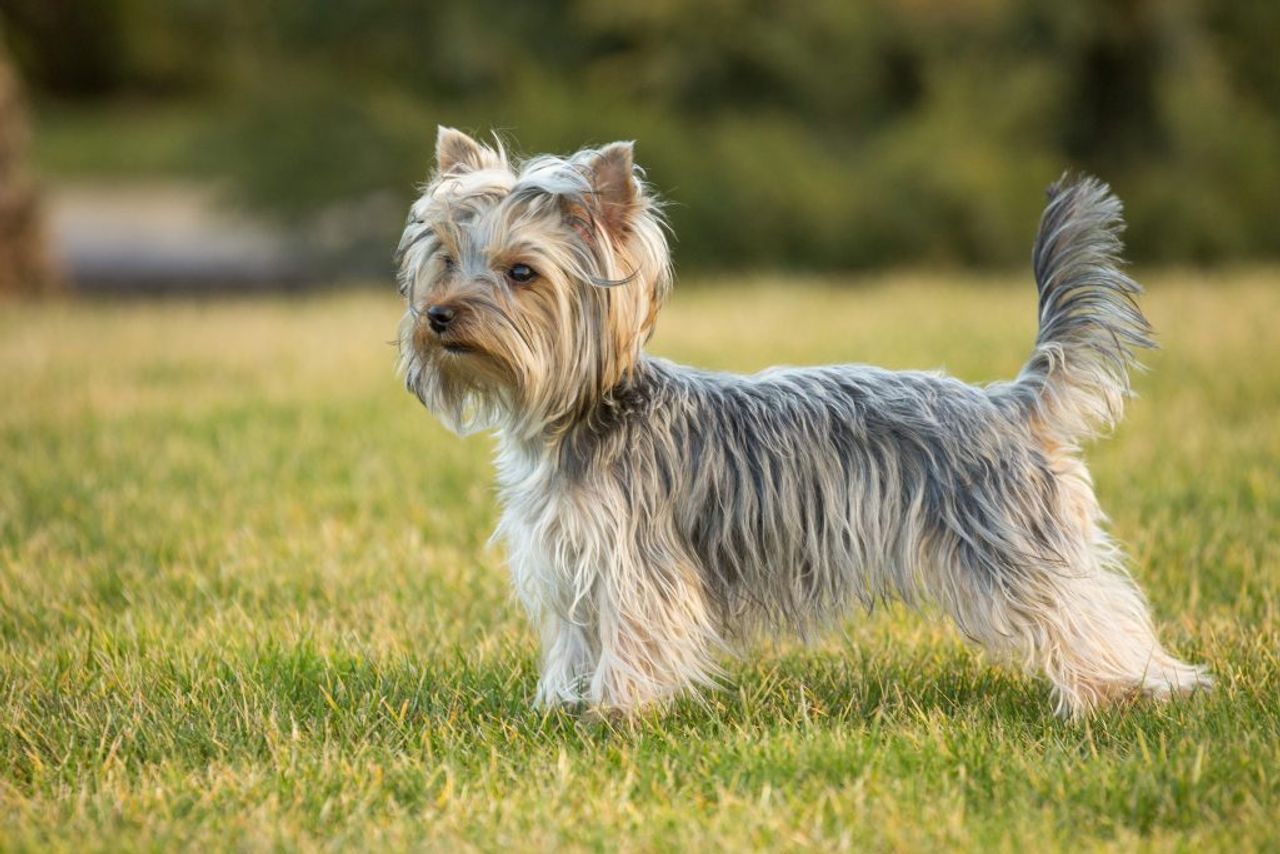
The Keeshond is a medium-sized, compact spitz with a plush silver-gray double coat. It stands 43-48 cm tall for males and 41-46 cm for females, weighing between 16-20 kg. The breed has a fox-like face, distinctive spectacles markings around the eyes, and a plumed tail curled over the back.
The coat is dense, with a thick ruff around the neck, and males typically have a more pronounced ruff than females. The body is abundantly covered with long, straight, harsh hair, standing well out from a thick, downy undercoat. The hair on the legs is smooth and short, except for feathering on the front legs and "trousers" on the hind legs. The tail is profuse, forming a rich plume.
The color should be a mixture of grey and black with some white, with the undercoat very pale grey or cream. The outer coat hair is black tipped, and the plume of the tail is very light grey when curled on the back, with the tip of the tail being black. Legs and feet are cream, and ears are small, dark, triangular, and erect. The breed's coat is subject to a standard of excellence set by the American Kennel Club and the Fédération Cynologique Internationale.
Temperament
Keeshonden are known for their friendly, intelligent, outgoing, and alert nature. They are eager to please and make excellent agility and obedience dogs. The breed is thoughtful, quick to learn, and can be trained to serve as guide dogs for the blind, although their size has limited this role. The Guide Dogs for the Blind Association has recognized the breed's potential in this capacity.
They are very affectionate and love children, making them excellent family dogs. Keeshonden are generally good with other dogs and enjoy a good chase around the yard. They are intuitive and empathetic, often used as comfort dogs in hospitals and schools. The breed has a tendency to become especially clingy towards their owners, often referred to as their "owner's shadow" or "velcro dogs".
Keeshonden are known for their loud, distinctive bark, which can be a problem if not properly handled. They are alert dogs that warn their owners of new visitors, but are not aggressive towards them. The breed's protective nature is a hallmark of its temperament.
Coat Care
Keeshonden require regular line brushing to maintain their coat, which typically "blows" its undercoat once a year for males and twice a year for females. This involves excessive hair loss and can last up to two weeks until new undercoat begins growing back. The grooming process is a significant commitment for owners.
Keeping the coat in good condition allows for efficient insulation in both hot and cold weather. The American Kennel Club provides guidelines for maintaining the breed's coat to ensure it meets the standard for show competition.
Health Considerations
Keeshonden are generally a very healthy breed, but like all breeds, they can be prone to certain health conditions. These include hip dysplasia, luxating patellas, epilepsy, Cushing's disease, diabetes, primary hyperparathyroidism, and hypothyroidism. Von Willebrand's disease has also been known in Keeshonden, although it is very rare.
Test results can be obtained from the breeder and directly from the Orthopaedic Foundation For Animals site, which provides a registry for hip and elbow dysplasia in dogs. The Canine Health Information Center also offers genetic testing for various hereditary conditions.
Buying a Keeshond
- Research the breed's history and temperament to ensure it fits your lifestyle.
- Look for a reputable breeder who can provide health clearances for the puppy's parents. The American Kennel Club and the United Kennel Club offer resources for finding responsible breeders.
- Ensure you have the time and energy to provide proper training and socialization for your new pet.
- Consider the cost of ownership, including food, veterinary care, grooming, and other accessories. It is estimated that the lifetime cost of owning a Keeshond can be several thousand dollars.
Cost and Household Considerations
These include food, veterinary care, grooming, and other accessories. It is estimated that the lifetime cost of owning a Keeshond can be several thousand dollars, which includes the initial purchase price, ongoing care, and potential health issues.
Keeshonden are a good fit for active households with children and other pets. They require space for exercise and mental stimulation. Before bringing a Keeshond into your home, consider whether you have the space, time, and resources to provide a loving and nurturing environment. The breed's energy level and social needs should be carefully considered.
Frequently Asked Questions
What is the lifespan of the Keeshond?
The average lifespan of the Keeshond is about 12-15 years. Good nutrition and regular veterinary care support a healthy life.
What is the temperament of the Keeshond?
The Keeshond is known for: Friendly, Intelligent, Outgoing, Alert, Eager to Please. Its energy level is moderate.
What size and weight is the Keeshond?
It is a large dog, typically around 16-20 kg as an adult.
Is the Keeshond easy to care for?
Reliable grooming and shedding ratings are not available. Routine brushing, ear and dental care, and nail trims are still recommended.
Is the Keeshond good with kids and other pets?
Reliable child- and pet-friendliness ratings are not available. Supervised, gradual introductions are recommended.
How much exercise does the Keeshond need?
With a moderate energy level, it needs walks, play or training matched to its stamina.
Keeshond
Trait Scores
N/A