Origin and History
The Karst Shepherd Dog, known as kraški ovčar or kraševec in Slovene, has its roots in the rugged terrain of the Karst Plateau region in Slovenia. This region, characterized by its unique karst topography, is home to a variety of ecosystems that have shaped the breed over centuries. The breed's development began with the nomadic pastoralists who roamed the area, and its first mention in historical texts dates back to 1689 when ethnographer Johann Weikhard von Valvasor included it in his comprehensive work, "The Glory of the Duchy of Carniola. " These early descriptions highlighted the breed's role as a guardian against predators like wolves and bears, which were a constant threat to livestock.
The Karst Shepherd was officially recognized as a modern breed in the 20th century and was initially known as the Illyrian Shepherd. It was later recognized by the Fédération Cynologique Internationale (FCI) in Group 2, Section 2.2 Molossoid breeds-Mountain type, with the breed number 278. In the United States, the breed has been recognized by The United Kennel Club in the Guardian Dog Group, showcasing its popularity and utility across different regions and cultures.
The breed's development has been significantly influenced by the rugged landscape of the Karst Plateau, which extends from the Gulf of Trieste to the Dinaric Alps. This challenging terrain required dogs that were both strong and resilient, capable of protecting herds from predators and harsh weather conditions.
Appearance
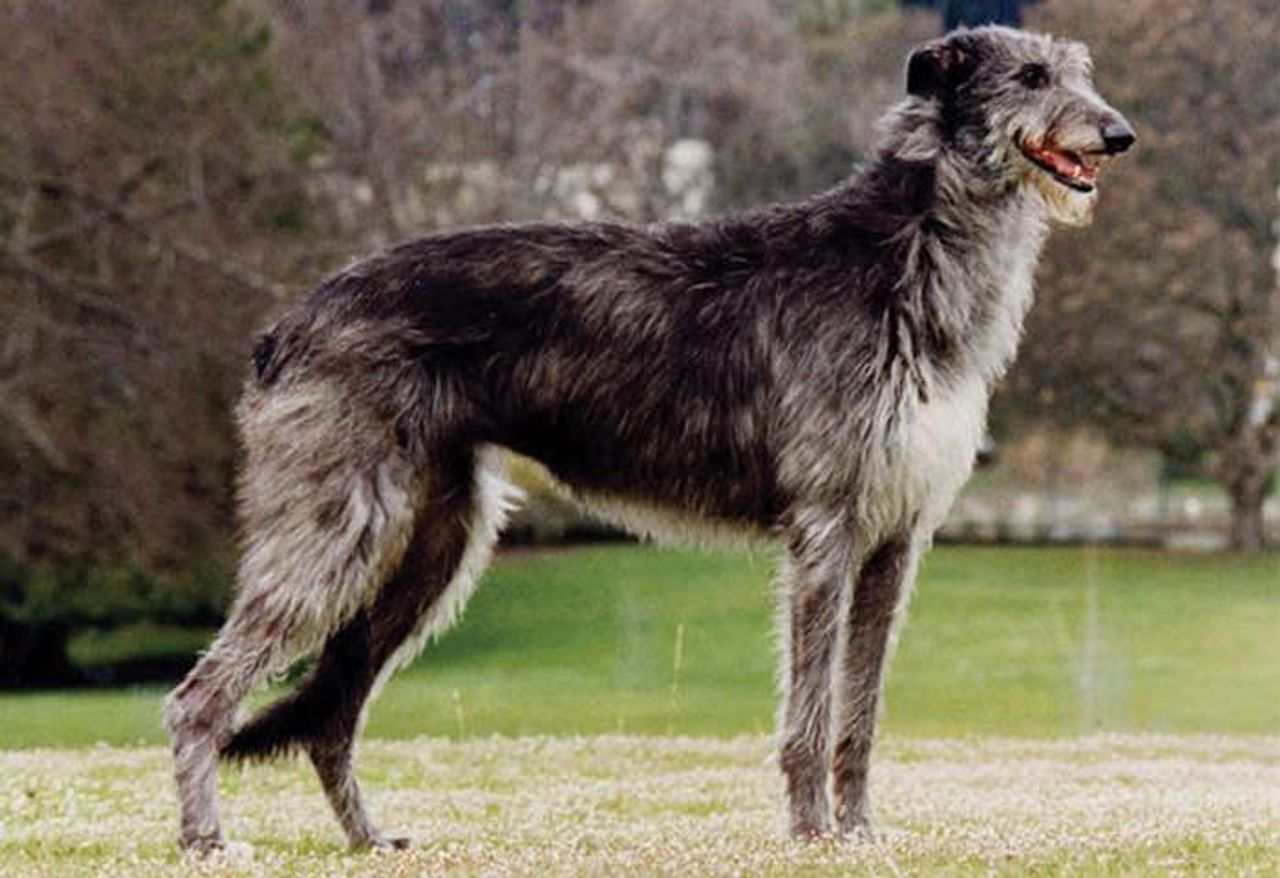
The Karst Shepherd Dog is a medium-sized dog with a distinctive 'iron grey' coat that is long and thick, creating a mane-like appearance around the neck. This coat is not only aesthetically pleasing but also serves as insulation against the harsh climate of the Karst region. The breed's skull is slightly longer than its muzzle, measuring between 13–14 cm (5.1–5.5 in) for the skull and 11–12 cm (4.3–4.7 in) for the muzzle. The nose, eyelids, and lips are black, and the eyes are almond-shaped, typically chestnut or dark brown in color. This unique coloring and facial structure contribute to the breed's striking appearance.
Male Karst Shepherds stand at a height of 57–63 cm (22–25 in) at the withers, while females are slightly shorter at 54–60 cm (21–24 in). Males weigh between 30–42 kg (66–93 lb), and females range from 25–37 kg (55–82 lb).
Temperament and Behavior
This breed is naturally distrustful of strangers, making it an excellent guard dog. Its protective nature and loyalty are not just instinctual but have been bred into the breed, ensuring that it remains vigilant and alert, ready to defend its territory and loved ones.
Its temperament is also characterized by a strong sense of duty and a desire to please its owner. This combination of traits makes the Karst Shepherd an ideal choice for those looking for a dog that can serve as both a guard and a valued family member.
Health and Genetic Considerations
While the Karst Shepherd Dog is a robust breed, its genetic background may predispose it to certain health conditions. Owners should be aware of potential issues such as hip dysplasia, which can affect large breeds, and degenerative myelopathy, a progressive disease of the spinal cord.
Other health concerns that may be observed include eye disorders and certain skin conditions. Owners should be vigilant for signs of illness and consult with a veterinarian if they notice any changes in their dog's health or behavior, ensuring that any potential issues are addressed promptly.
Living with a Karst Shepherd
The Karst Shepherd Dog is a working breed that requires a home that can accommodate its size and high energy level.
Given its protective nature, the Karst Shepherd may be wary of strangers and can be protective of its territory. This breed is best suited for families or individuals who understand its need for space and can provide it with the attention and training it requires. A secure and consistent routine, along with positive reinforcement training, is key to ensuring that this breed is well-behaved and sociable.
Buying a Karst Shepherd
These breeders adhere to standards that promote the health and welfare of the breed, ensuring that puppies are bred with care and attention to genetic quality. Additionally, reputable breeders will have a history of breeding healthy, well-adjusted dogs, providing potential owners with peace of mind.
Be prepared for the cost of owning a Karst Shepherd, which includes not only the initial purchase price but also ongoing expenses such as veterinary care, food, and training. The following points should be considered when purchasing a Karst Shepherd:
- Research reputable breeders
- Consider the long-term commitment
- Be prepared for ongoing expenses
- Ensure the puppy comes from a healthy and loving home
Matching Your Household
Before bringing a Karst Shepherd into your home, consider whether your lifestyle aligns with the breed's needs. This breed is not only a guardian but also a valued family member, requiring a home where it can be both active and comfortable. Its protective nature makes it an excellent choice for those looking for a guard dog, but it also requires a home where it can be a part of the family unit.
With the right environment and care, the Karst Shepherd can be a loyal and devoted companion. By ensuring that your lifestyle matches the demands of this breed, you can enjoy a rewarding and fulfilling relationship with your Karst Shepherd Dog.
Frequently Asked Questions
What is the lifespan of the Karst Shepherd?
The average lifespan of the Karst Shepherd is about 10-13 years. Good nutrition and regular veterinary care support a healthy life.
What is the temperament of the Karst Shepherd?
The Karst Shepherd is known for: Protective, Loyal, Courageous, Confident, Calm, Independent. Its energy level is low.
What size and weight is the Karst Shepherd?
It is a large dog, typically around Male: 30-40; Female: 25-35 kg as an adult.
Is the Karst Shepherd easy to care for?
Reliable grooming and shedding ratings are not available. Routine brushing, ear and dental care, and nail trims are still recommended.
Is the Karst Shepherd good with kids and other pets?
Reliable child- and pet-friendliness ratings are not available. Supervised, gradual introductions are recommended.
How much exercise does the Karst Shepherd need?
With a low energy level, it needs walks, play or training matched to its stamina.
Karst Shepherd
Trait Scores
N/A