Origin and History
The Kars Shepherd, known as Kars Çoban Köpeği in Turkish, is a breed of livestock guardian dog with origins in Eastern Anatolia, Turkey. This region, including the provinces of Ağrı, Ardahan, Artvin, Erzurum, Iğdır, Kars, and Van, is where the Kars Shepherd is widely distributed. The breed takes its name from the town of Kars in Kars Province. The first scientific description of the Kars Shepherd was presented by David Nelson at the International Symposium on Turkish Shepherd Dogs in Konya in 1996. It was registered with the Turkish Standards Institution in 2002, reflecting its recognition as an indigenous breed.
Despite its historical significance, the Kars Shepherd was not registered with the former Ministry of Agriculture and Rural Affairs by 2012. The Köpek Irkları ve Kinoloji Federasyonu, an organization dedicated to protecting indigenous breeds, lists the Kars Shepherd among the breeds it has a duty to protect, highlighting its cultural and genetic importance. The breed's history is intertwined with the local shepherds, who have relied on the Kars Shepherd for centuries to protect their flocks from predators such as wolves and bears.
Physical Characteristics
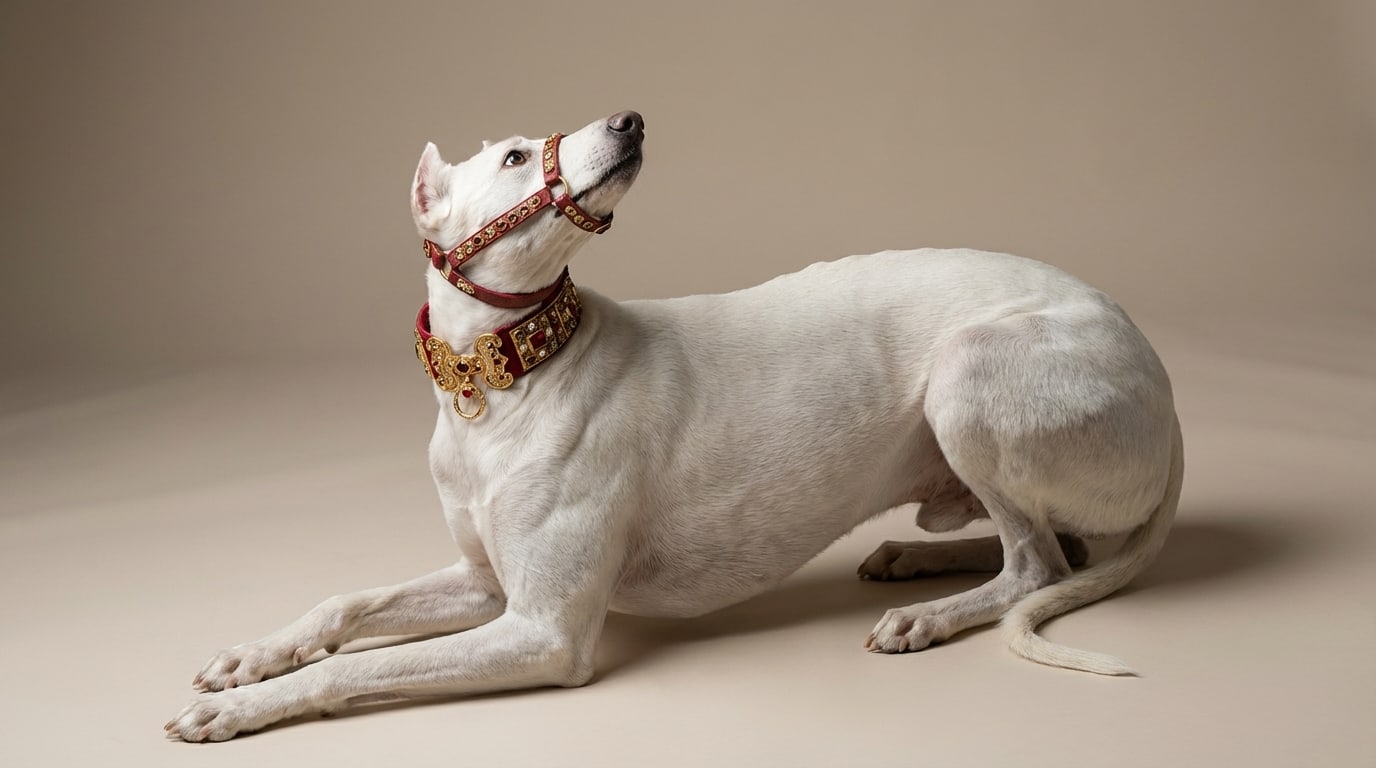
The Kars Shepherd is a large, rugged dog with a dense, weather-resistant coat. This breed is slightly smaller than other livestock guardian breeds from central and western Turkey, such as the Akbash and the Kangal. The Kars Shepherd has a mean weight of 44.6 kilograms (98 lb) and a mean height of 72.4 centimeters (28.5 in). Males typically weigh between 40-60 kg and stand at 71-81 cm, while females weigh between 35-50 kg and stand at 69-76 cm. Their coat can be found in various colors, including black, white, grey, red, yellow, and brown, often with white markings on the chest, neck, and forelegs.
The breed's coat is long and heavy, with a double layer that provides excellent protection against the harsh climate of its native region.
Temperament and Behavior
Their loyalty to their owners and flocks is unwavering, making them excellent guardians. However, their low level of friendliness towards strangers and their moderate energy level mean that they may not be the best choice for families looking for a highly social or energetic pet. The Kars Shepherd's temperament is a mix of independence and loyalty, which requires a handler who can provide a balance of freedom and structure.
Despite their protective nature, the Kars Shepherd is not typically aggressive. They are generally calm and reserved, which makes them suitable for families with older children who understand how to interact with dogs. Their trainability is moderate, requiring a firm and consistent training approach.
Health and Genetic Considerations
The Kars Shepherd is generally a healthy breed, but like all breeds, they can be prone to certain health conditions. Owners should be aware of potential issues such as hip dysplasia, elbow dysplasia, and epilepsy. The breed's moderate energy level means that regular walks and playtime are sufficient to keep them healthy and happy.
Responsible breeders will provide health clearances for their dogs, including hip and elbow scores, and may also conduct genetic testing for conditions like von Willebrand's disease and degenerative myelopathy.
Working Purpose and Use
The Kars Shepherd is a working breed, primarily used by local shepherds to protect flocks from predators. Their natural instinct to guard and their physical strength make them effective livestock guardians. Anecdotes exist of Kars Shepherds successfully repelling and even killing bears, showcasing their bravery and determination. This breed's working history has shaped its temperament and physical characteristics, making them well-suited for their role as livestock guardians.
The Kars Shepherd's working abilities are not limited to flocks; they have also been used to protect livestock such as goats and sheep from predators in other parts of Turkey. Their intelligence and trainability make them adaptable to various roles within the agricultural community.
Lifestyle and Compatibility
The Kars Shepherd is best suited for owners who live in rural or semi-rural areas with access to a secure yard. Their large size and protective nature may not be ideal for apartment living or highly urban environments. The breed's need for space and exercise makes them less suitable for those living in confined spaces.
Due to their independent nature, the Kars Shepherd may not be the best choice for first-time dog owners. They require a confident handler who can provide consistent training and leadership. Their low level of friendliness towards strangers means that they may not be the best companions for families with young children or those looking for a highly social dog. Potential owners should consider the breed's working background and the responsibilities that come with owning a livestock guardian dog.
Buying a Kars Shepherd
It is also advisable to ask for health clearances and to inquire about the breed's potential health issues. Responsible breeders will provide documentation of their dogs' health status, including any genetic testing that has been conducted.
Be prepared for the costs associated with owning a Kars Shepherd. Their large size and protective nature also mean that they may require specialized training and equipment. Potential owners should research reputable breeders, ask for health clearances, and ensure adequate space and exercise opportunities for their new companion.
- Research reputable breeders
- Ask for health clearances
- Ensure adequate space and exercise opportunities
Frequently Asked Questions
What is the lifespan of the Kars?
The average lifespan of the Kars is about 10-13 years. Good nutrition and regular veterinary care support a healthy life.
What is the temperament of the Kars?
The Kars is known for: Protective, Independent, Courageous, Loyal. Its energy level is moderate.
What size and weight is the Kars?
It is a large dog, typically around Male: 40-60; Female: 35-50 kg as an adult.
Is the Kars easy to care for?
Reliable grooming and shedding ratings are not available. Routine brushing, ear and dental care, and nail trims are still recommended.
Is the Kars good with kids and other pets?
Reliable child- and pet-friendliness ratings are not available. Supervised, gradual introductions are recommended.
How much exercise does the Kars need?
With a moderate energy level, it needs walks, play or training matched to its stamina.
Kars
Trait Scores
N/A