Origin and Historical Significance
The Kanni, a rare and elegant sighthound landrace, originates from the state of Tamil Nadu in India. This breed has a rich history, particularly in the Tirunelveli, Virudhunagar, and Thoothukudi districts, where it has been used mainly for coursing. The name "Kanni" means "pure" in Tamil, reflecting the breed's loyalty and purity of heart. It is also known as the Maiden's Beastmaster, as it fiercely guards its territory and is traditionally gifted to newlywed brides as guardians. This tradition dates back to the 18th century, during which time the Kanni was considered a symbol of good luck and protection.
The practice of gifting black and tan Kannis as marriage gifts led to the incorrect naming of these colors as Kanni in both dogs and goats. Despite this, the Kennel Club of India (KCI) recognizes the breed with two names: Kanni for the black and tan variety and Chippiparai for the solid-colored variety. The KCI was established in 1927, and since then, it has been instrumental in preserving the breed's genetic purity and promoting its recognition both within India and internationally.
Physical Characteristics
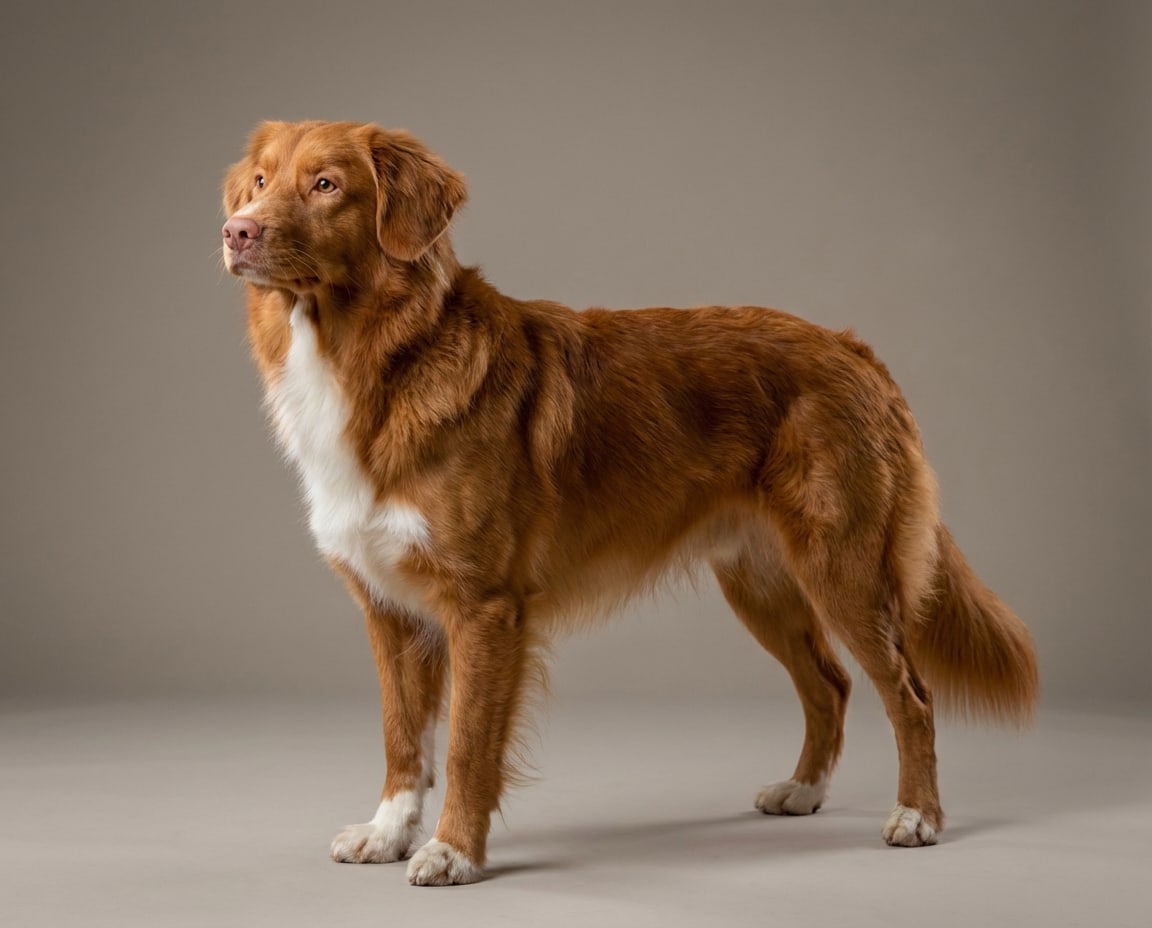
The Kanni is a medium-sized dog with a lean, athletic build. Males typically weigh between 18-25 kg and stand at 61-69 cm at the withers, while females weigh 15-23 kg and stand at 58-64 cm. They have straight heads, strong jaws, golden eyes, and black noses. The ears are medium-sized and can be erect, dropping, or semi-dropping, and the tail is semi-curved. Their short coat comes in various colors, including black and tan, cream, fawn, and white. The black and tan pattern is particularly prized due to its rarity.
Notably, Kannis have a lifespan of 14 to 16 years, which is relatively long for a sighthound breed. Their build, with a large heart and double suspension gallop, allows them to reach speeds up to 60 km/h, making them highly efficient coursing dogs. This unique gait is a result of the breed's ancient origins and has been a subject of study by ethologists interested in the evolution of canine locomotion.
Temperament and Behavior
The Kanni is known for its loyal and independent nature. While they may be shy with strangers, they are fiercely protective of their home and master. Their intelligence and trainability make them easy to train, though they tend to think independently when hunting. This breed is extremely faithful to its family and is known for its strong sense of territory and hunting instincts. The Kanni's temperament is a result of its historical role as a guardian and hunting companion.
On the hunt, Kannis use their excellent sense of smell and sight to track and hunt prey. They are trained to obey subtle hand signals from their masters, showcasing their responsiveness and adaptability to human commands.
Coat and Grooming
The Kanni has a short, fine coat that requires minimal grooming. Their coat comes in a variety of colors, including black and tan, cream, fawn, and white, with patterns such as black with fawn markings or fawn head and legs with the rest of the body being black. The breed is not considered hypoallergenic, as they shed at a medium level, with shedding being more pronounced during the spring and fall.
Due to their short coat, Kannis do not require frequent bathing, which can be beneficial for maintaining their skin health. Grooming is also an opportunity to check for any signs of skin issues or parasites that may affect the breed.
Health Considerations
Potential health concerns include hip dysplasia, which can be evident in dogs with a large heart and double suspension gallop, and other joint-related issues due to their athletic build. These issues are more common in older Kannis and may require veterinary intervention.
Other health concerns include entropion, a condition where the eyelids roll inward, and ectropion, where they roll outward, which can lead to eye irritation and infections.
Living Environment and Care
They are not overly friendly with strangers, which is a trait to consider when introducing them to new people or environments. Kannis are known to be reserved with individuals they do not know well, which is a reflection of their protective nature.
As a hunting breed, Kannis are used to eating a variety of foods, including millet, corn, jowar, rice porridge with milk or curd, and non-vegetable foods. Their diet should be balanced and provide the necessary nutrients to support their active lifestyle and maintain their lean muscle mass.
Buying a Kanni
Look for breeders who prioritize the health and well-being of their dogs and can provide you with a clear health history and any necessary documentation. Reputable breeders will often have their Kannis evaluated by veterinary professionals and may offer health guarantees.
Be prepared for the cost of owning a Kanni, which includes the initial purchase price, which can range from $500 to $1000 depending on the breeder and the dog's bloodline, ongoing veterinary care, and proper nutrition. Kannis are a long-lived breed, so the financial commitment extends over many years.
Ensure that your household is a good match for a Kanni, considering their need for space, their independent nature, and their loyalty to their family. A home with an active lifestyle and access to open spaces would be ideal for this breed.
Frequently Asked Questions
What is the lifespan of the Kanni?
The average lifespan of the Kanni is about 12-15 years. Good nutrition and regular veterinary care support a healthy life.
What is the temperament of the Kanni?
The Kanni is known for: Loyal, Intelligent, Independent, Alert, Athletic, Reserved. Its energy level is moderate.
What size and weight is the Kanni?
It is a large dog, typically around Male: 18-25; Female: 15-23 kg as an adult.
Is the Kanni easy to care for?
Reliable grooming and shedding ratings are not available. Routine brushing, ear and dental care, and nail trims are still recommended.
Is the Kanni good with kids and other pets?
Reliable child- and pet-friendliness ratings are not available. Supervised, gradual introductions are recommended.
How much exercise does the Kanni need?
With a moderate energy level, it needs walks, play or training matched to its stamina.
Kanni
Trait Scores
N/A