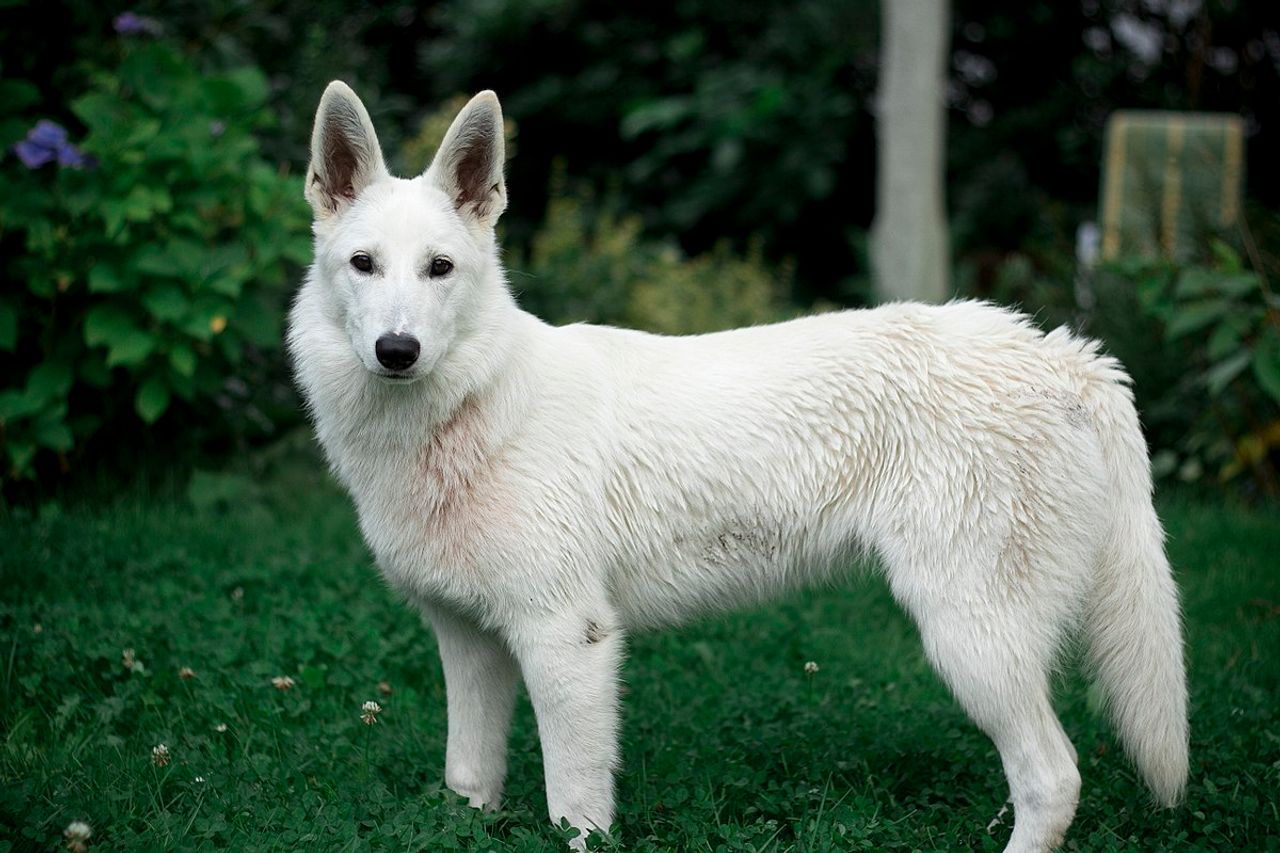
About the Kangal Shepherd Dog
The Kangal Shepherd Dog, also known as the Turkish Kangal, is a large, powerful, and heavy-boned livestock guardian dog originating from the Kangal district in Sivas Province, Turkey. This breed is renowned for its distinctive fawn coat, black mask and ears, and curled tail, bred specifically for protecting flocks from predators such as wolves. The Kangal's coat color can range from pale fawn to wolf grey, with a black mask and ears that are often black or dark brown.
These dogs have a temperament characterized by loyalty, protectiveness, independence, calmness, intelligence, and alertness. They have a lifespan of 12-15 years, with males weighing between 50-66 kg and standing 76-81 cm at the withers, while females weigh 41-54 kg and stand 71-76 cm. The Kangal is known for its low energy level and low friendliness, with a medium shedding rate and high trainability. This breed is also recognized for its strong bite force, which can be up to 450 pounds per square inch.
Origin and History
The Kangal Shepherd Dog has a rich history, dating back centuries. It is a traditional working breed of Central Anatolia, with the name "Kangal" derived from the town and district in Sivas Province where the breed originated. This breed has been used by shepherds to protect flocks from wolves and other predators for generations. The Kangal's protective instincts are so strong that they have been known to attack predators even when injured or in pain.
The Fédération Cynologique Internationale (FCI) definitively accepted the Kangal as a breed in 1989, and the most recent breed standard was published in 2018. The Kennel Club of the United Kingdom recognized the Turkish Kangal Dog in 2013, allowing owners of Anatolian Shepherd Dogs to re-register their pets under the new name. The Kangal's recognition by the FCI has helped to preserve the breed's genetic purity and working ability.
Since 1994, around 300 Kangal dogs have been given to farmers in Namibia by the Cheetah Conservation Fund to help protect livestock from cheetah attacks. This program has been extended to Kenya, significantly reducing livestock losses and contributing to the conservation of endangered cheetah populations. The Kangal's role in conservation efforts has been pivotal, showcasing the breed's adaptability and effectiveness in diverse environments.
Breed Standard
The Kangal Shepherd Dog has a moderately short double-coat, with a dense under-layer and a waterproof outer layer. The coat color varies from pale fawn to wolf grey, always featuring a black mask. Dogs usually stand between 72 and 78 cm at the withers, bitches between 65 and 73 cm, with a tolerance of 2 cm either way for both sexes. The coat's texture is harsh and straight, and the tail is typically curled over the back.
The body weights of bitches are typically in the range of 40-50 kg, while dogs weigh 48-60 kg. This breed is recognized for its robust build and distinct appearance, which includes a broad head, a deep chest, and a well-muscled body. The Kangal's overall structure is designed for endurance and strength, essential for its role as a livestock guardian.
Temperament and Characteristics
The Kangal Shepherd Dog is known for its loyal and protective nature, making it an excellent choice for those seeking a guardian dog. They are independent and calm, which can be beneficial for families with children who are looking for a gentle and watchful companion. Kangals are also known for their strong sense of territory and will defend their home and family fiercely.
Intelligent and alert, Kangals are capable of learning and can be trained effectively. However, their independent nature may require a firm and consistent training approach. This breed's low energy level and medium shedding rate make them suitable for active yet relaxed households. Kangals are also known for their quiet nature, often only barking when they sense a threat or when they are excited.
Use and Application
The Kangal Shepherd Dog is primarily a working breed, bred to protect livestock. They excel in this role, using their large size and intimidating presence to deter predators. This breed has also been successfully exported to African countries such as Namibia, Kenya, and Tanzania, where they have been instrumental in protecting local flocks from cheetahs. The Kangal's role in cheetah conservation has been significant, reducing livestock losses and aiding in the protection of endangered cheetah populations.
The Kangal's versatility is not limited to livestock protection; they have also been used in search and rescue operations, due to their strong sense of smell and loyalty. Their adaptability to various roles and environments has made them a valuable asset in many different capacities.
Health and Genetics
Regular health screenings and genetic testing can help identify and manage potential health issues in the Kangal Shepherd Dog. Common health concerns include hip dysplasia, elbow dysplasia, and degenerative myelopathy.
Genetic testing can help identify carriers of certain genetic disorders, allowing breeders to make informed decisions about breeding practices.
Buying and Owning a Kangal Shepherd Dog
Additionally, Kangals may require a secure, enclosed yard to ensure their safety and the safety of others. This is especially important due to their strong protective instincts and the potential for them to chase after small animals or livestock if not properly trained and socialized.
- Research reputable breeders to ensure the health and temperament of the puppy.
- Consider the cost of purchase and ongoing care, including veterinary expenses, food, and training.
- Provide proper training and socialization to ensure the dog is well-behaved and adaptable to various situations.
- Ensure a secure, enclosed yard to protect the dog and prevent them from escaping or chasing after animals.
With the right care and attention, a Kangal can be a loyal and devoted companion for many years. Their protective nature and strong bond with their family make them a wonderful choice for those who are willing to invest the time and effort into training and maintaining a healthy, happy dog.
Frequently Asked Questions
What is the lifespan of the Kangal Shepherd Dog?
The average lifespan of the Kangal Shepherd Dog is about 12-15 years. Good nutrition and regular veterinary care support a healthy life.
What is the temperament of the Kangal Shepherd Dog?
The Kangal Shepherd Dog is known for: Loyal, Protective, Independent, Calm, Intelligent, Alert. Its energy level is low.
What size and weight is the Kangal Shepherd Dog?
It is a large dog, typically around Male: 50-66; Female: 41-54 kg as an adult.
Is the Kangal Shepherd Dog easy to care for?
Reliable grooming and shedding ratings are not available. Routine brushing, ear and dental care, and nail trims are still recommended.
Is the Kangal Shepherd Dog good with kids and other pets?
Reliable child- and pet-friendliness ratings are not available. Supervised, gradual introductions are recommended.
How much exercise does the Kangal Shepherd Dog need?
With a low energy level, it needs walks, play or training matched to its stamina.
Kangal Shepherd Dog
Trait Scores
N/A