Origin and Historical Significance
The Kai Ken, also known as the Tora Inu or Tiger Dog, has its origins in the Kai Province of Yamanashi Prefecture, Japan. This region, characterized by its mountainous terrain, was the perfect environment for the breed to evolve. The Kai Ken is one of the six native Japanese dog breeds protected by the Nihon Ken Hozonkai, a society founded in 1924 to preserve Japanese dog breeds.
Originating from the Nihon Ken landrace, the Kai Ken was officially recognized and named after the Kai Province during the creation of the Nihon Ken Hozonkai (NIPPO) in 1928. This society aimed to document and preserve the native Japanese dog breeds, leading to the formal recognition of the Kai Ken as a distinct breed. The breed's designation as a national monument further highlighted its importance in Japanese heritage.
Historically, the Kai Ken was used to hunt Japanese serow, deer, wild boar, and occasionally bear in the mountainous regions of Yamanashi Prefecture. The breed's physical attributes, such as strong limbs and well-developed hocks, are a reflection of its role as a mountain hunter, enabling it to navigate rugged terrain and pursue its prey with agility.
Physical Description
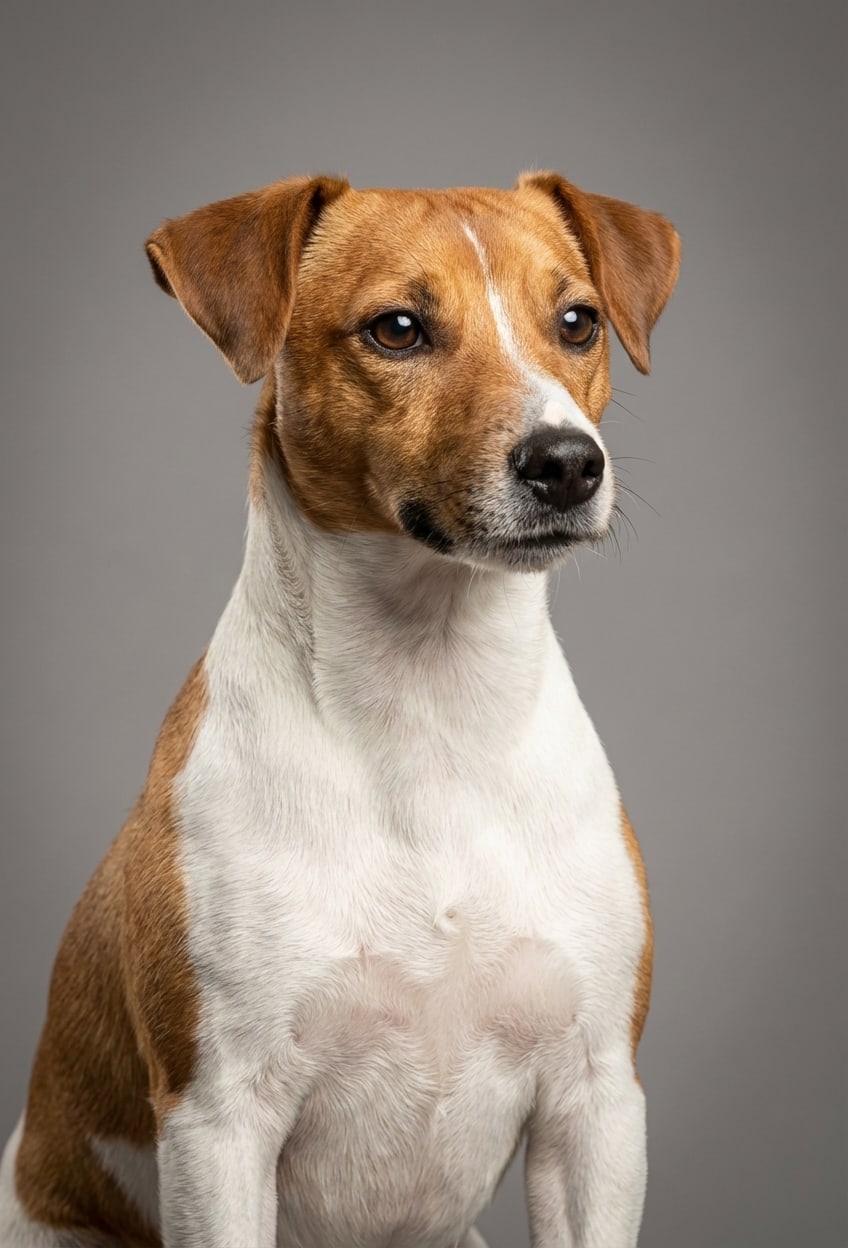
The Kai Ken is a medium-sized dog, with males typically standing at 18 to 22 inches at the shoulder, and females at 17 to 20 inches. Their heads are distinctive, with a wedge shape and prick ears that contribute to their alert appearance. The tail of the Kai Ken may be curled over the back or carried in a sickle position, a trait that is thought to have originated from the breed's mountainous hunting environment.
The breed's coat is of harsh texture and medium length, known for its brindle coloration that resembles tiger stripes. The three main recognized shades are Aka-tora (red), Chu-tora (middle), and Kuro-tora (black). It is a common observation that puppies are born a solid color, and their brindle markings develop over time, sometimes taking up to five years for the patterns to fully emerge.
This physical build not only contributes to their agility but also allows them to endure the rigors of hunting in mountainous terrain.
Temperament and Personality
The Kai Ken is renowned for its alert, intelligent, and loyal nature. As natural hunters, they excel as watch dogs, being reserved with strangers but fiercely loyal to their families.
Despite their independent nature, Kai Kens are known for their courage and athleticism. These traits are a direct reflection of their mountain hunting heritage, where they would have needed to be both brave and agile to hunt successfully. They are also known for their agility and love for swimming, which they often demonstrate while chasing prey in their natural habitat.
Health and Genetic Considerations
Like many breeds, the Kai Ken is prone to certain health issues. Hip dysplasia, a condition where the hip joint does not fit together perfectly, can cause difficulty in movement and discomfort for the dog. Patellar luxation, another common condition, involves the kneecap slipping out of place, leading to lameness or an inability to bend the leg.
Other health concerns that may affect the Kai Ken include entropion, a condition where the eyelid rolls inward, causing irritation and potential damage to the eye; and cataracts, a clouding of the lens of the eye that can lead to vision problems.
Breed Standard and Preservation
The Kai Ken was officially recognized and preserved through the formation of the Kai Ken Aigokai (KKA) in 1931. This society, dedicated to the breed's preservation, has been instrumental in maintaining the genetic purity and character of the Kai Ken. The breed standard for the Kai Ken emphasizes their medium size, moderate energy level, and their distinctive brindle coat, which is a hallmark of the breed.
The North American Kai Ken Association and the Hozonkai (Japanese Dog Preservation Association) also play a significant role in promoting and preserving the breed. These organizations work to ensure the breed's continued existence and recognition, both within Japan and internationally.
Popularity and Cultural Impact
The Kai Ken has made a significant cultural impact, appearing in various forms of media and popular culture. In Yoshihiro Takahashi's manga series "Silver Fang" and its sequel "Weed," the breed is featured prominently, with characters like Kurotora, Chūtora, and Akatora showcasing their agility and loyalty. The breed's portrayal in these works has contributed to its popularity and has helped to solidify its cultural significance.
Additionally, the Kai Ken has been featured in other media, including video games and movies, further highlighting its cultural impact. The mascot of Yamanashi Prefecture, Takeda Hishimaru, is a Kai Ken samurai, based on the historical figure of Takeda Shingen. This connection to history and culture underscores the breed's deep roots in Japanese society.
Buying a Kai Ken: A Practical Checklist
- Research reputable breeders who specialize in the Kai Ken to ensure the health and quality of the puppy.
- Visit the breeder to observe the puppy's environment and interactions with other dogs and humans. This can provide valuable insights into the puppy's temperament and socialization.
- Ask about the puppy's health history and ensure that it has received all necessary vaccinations and deworming treatments. A healthy puppy should have a clean bill of health from a veterinarian.
- Consider the breed's energy level and temperament to ensure it fits well with your lifestyle and household.
- Be prepared for the ongoing costs of owning a dog, including food, grooming, and veterinary care. The Kai Ken, like all dogs, requires a commitment of time and resources.
- Check for membership in recognized breed clubs, such as the Kai Ken Aigokai or the North American Kai Ken Association, which can provide further validation of the breeder's commitment to the breed's health and welfare.
- Inquire about the breeder's participation in health screenings and genetic testing to reduce the risk of inherited health issues.
Frequently Asked Questions
What is the lifespan of the Kai Ken?
The average lifespan of the Kai Ken is about 12-16 years. Good nutrition and regular veterinary care support a healthy life.
What is the temperament of the Kai Ken?
The Kai Ken is known for: Alert, Intelligent, Loyal, Courageous, Independent, Athletic. Its energy level is moderate.
What size and weight is the Kai Ken?
It is a large dog, typically around Male: 14-20; Female: 11-16 kg as an adult.
Is the Kai Ken easy to care for?
Reliable grooming and shedding ratings are not available. Routine brushing, ear and dental care, and nail trims are still recommended.
Is the Kai Ken good with kids and other pets?
Reliable child- and pet-friendliness ratings are not available. Supervised, gradual introductions are recommended.
How much exercise does the Kai Ken need?
With a moderate energy level, it needs walks, play or training matched to its stamina.
Kai Ken
Trait Scores
N/A