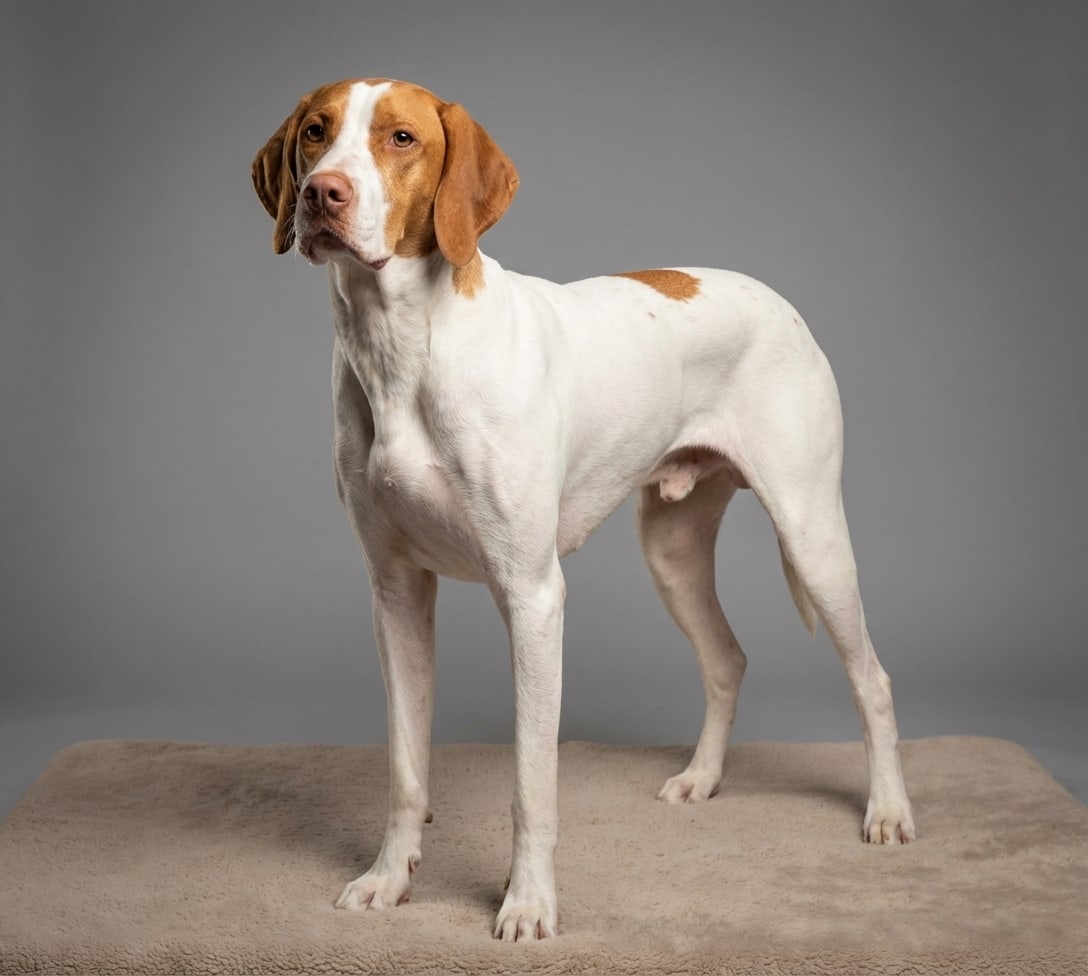
Origin and Conservation Status
The Jeju Dog, a native breed from Jeju Island, South Korea, was on the brink of extinction in 1986 with only three remaining. Thanks to a vigorous breeding program, the population has recovered to nearly 300, though only an estimated 69 are considered purebred. In 2010, Korea designated the Jeju Dog as a national heritage animal, ensuring its protection. This designation was a pivotal moment for the breed, recognizing its cultural and historical significance.
Jeju Dogs were once abundant but faced near-extinction due to military use, consumption, and Japanese colonization-era orders to kill indigenous dogs. These events led to a drastic decline in the breed's numbers, with many Jeju Dogs being used for food or being slaughtered. A 2017 auction by the Jeju Livestock Institute aimed to preserve the breed by selling 20 puppies to interested adopters, a critical step in the breed's recovery.
Characterized by a spitz-type appearance, the Jeju Dog stands as the largest indigenous dog breed in Korea, with a history that may trace back to China. This breed's migration south to the Korean peninsula and eventually to Jeju Island is thought to have occurred around the 1st century AD, influenced by the Chinese Qīng Dynasty's military dogs.
Physical Characteristics
Jeju Dogs exhibit a robust medium size, with males weighing 15-25 kg and females 13-20 kg. They reach heights of 46-56 cm for males and 43-52 cm for females. Their coats are medium in length, often displaying a brindle pattern, and their hair is tawny brown. The brindle pattern is a distinctive trait, with variations in color and pattern among individuals.
Distinctive features include wide and pointed foreheads, and tails curled up like brooms, a characteristic that sets them apart from other breeds. The breed is noted for its keen alert expression, indicative of its hunting heritage, and the males' similarity to wolves, while females are reminiscent of foxes. This unique appearance has contributed to the breed's popularity and recognition.
Jeju Dogs are also similar to the Korean Jindo Dogs in color and size, but differ in their upright tails. This spitz-type breed has a reputation for being loyal guard dogs with a strong sense of smell and hearing, essential for hunting pheasants, deer, and badgers. Their physical characteristics are well-suited for their historical hunting roles.
Temperament and Behavior
Jeju Dogs are known for their alertness, loyalty, intelligence, and courage, making them formidable hunters and guardians. Their independent nature and high energy levels mean they require a home with an active lifestyle to thrive. This energetic temperament is a direct result of their historical role as hunting dogs.
Their intelligence and trainability make them responsive to training, though their independent streak might sometimes present a challenge. Training should be consistent and engaging to keep their minds stimulated and their energy channeled positively.
Jeju Dogs may be less friendly with strangers, reflecting their natural wariness, but their loyalty and protective instincts are strong. They can be great companions for active individuals or families, but their low tolerance for strangers makes them less suitable for everyone. This temperament requires careful socialization from a young age to ensure they grow into well-rounded pets.
Health and Genetics
The breed's high energy levels and strong hunting instincts suggest potential issues related to these traits, such as hip dysplasia or joint problems. Jeju Dog owners should be vigilant for signs of hip dysplasia, which can be painful and affect mobility.
Other potential health issues include epilepsy, which can affect both males and females. Owners should be aware of the signs and seek veterinary care promptly if any symptoms arise.
Historical Role and Evolution
The Jeju Dog's origins are shrouded in mystery, with some theories suggesting they originated in China and moved south along the Korean peninsula. Their role as military dogs and the consumption of dogs in Korea have significantly impacted their numbers and survival. The breed has a rich history that includes serving as companions to warriors and being part of the Korean culture.
Jeju Dogs have been used historically for hunting badgers and roe deer, showcasing their strong hunting instincts. Their status as national heritage animals highlights their cultural significance and their place in South Korean history.
Efforts to preserve the breed have been ongoing, including the 2017 auction to sell puppies to adopters committed to breeding and preserving the Jeju Dog. These efforts reflect the breed's historical importance and the commitment to its survival. The Jeju Dog's journey from near-extinction to a protected national heritage animal is a story of resilience and dedication.
Buying a Jeju Dog: A Practical Checklist
Before purchasing a Jeju Dog, consider the following checklist to ensure a smooth and successful adoption:
- Research the breed thoroughly to understand their needs, including their energy levels and temperament.
- Look for reputable breeders who prioritize the health and welfare of their dogs.
- Prepare your home with the necessary space for exercise and mental stimulation. Jeju Dogs require ample room to run and play, as well as activities to keep their minds engaged.
- Commit to ongoing training and socialization to foster a well-rounded and balanced dog. Socialization is particularly important for Jeju Dogs to ensure they are comfortable with a variety of people and situations.
- Ensure your lifestyle is compatible with the Jeju Dog's high energy and independent nature.
Remember, the Jeju Dog is not just a pet; it's a living piece of Korean history and culture, and their adoption is a commitment to preserving a rare and special breed. Owning a Jeju Dog is a privilege that comes with the responsibility of ensuring their well-being and contributing to the breed's future.
Frequently Asked Questions
What is the lifespan of the Jeju Dog?
The average lifespan of the Jeju Dog is about 12-15 years. Good nutrition and regular veterinary care support a healthy life.
What is the temperament of the Jeju Dog?
The Jeju Dog is known for: Alert, Loyal, Intelligent, Courageous, Independent, Energetic. Its energy level is high.
What size and weight is the Jeju Dog?
It is a large dog, typically around Male: 15-25; Female: 13-20 kg as an adult.
Is the Jeju Dog easy to care for?
Reliable grooming and shedding ratings are not available. Routine brushing, ear and dental care, and nail trims are still recommended.
Is the Jeju Dog good with kids and other pets?
Reliable child- and pet-friendliness ratings are not available. Supervised, gradual introductions are recommended.
How much exercise does the Jeju Dog need?
With a high energy level, it needs walks, play or training matched to its stamina.
Jeju Dog
Trait Scores
N/A