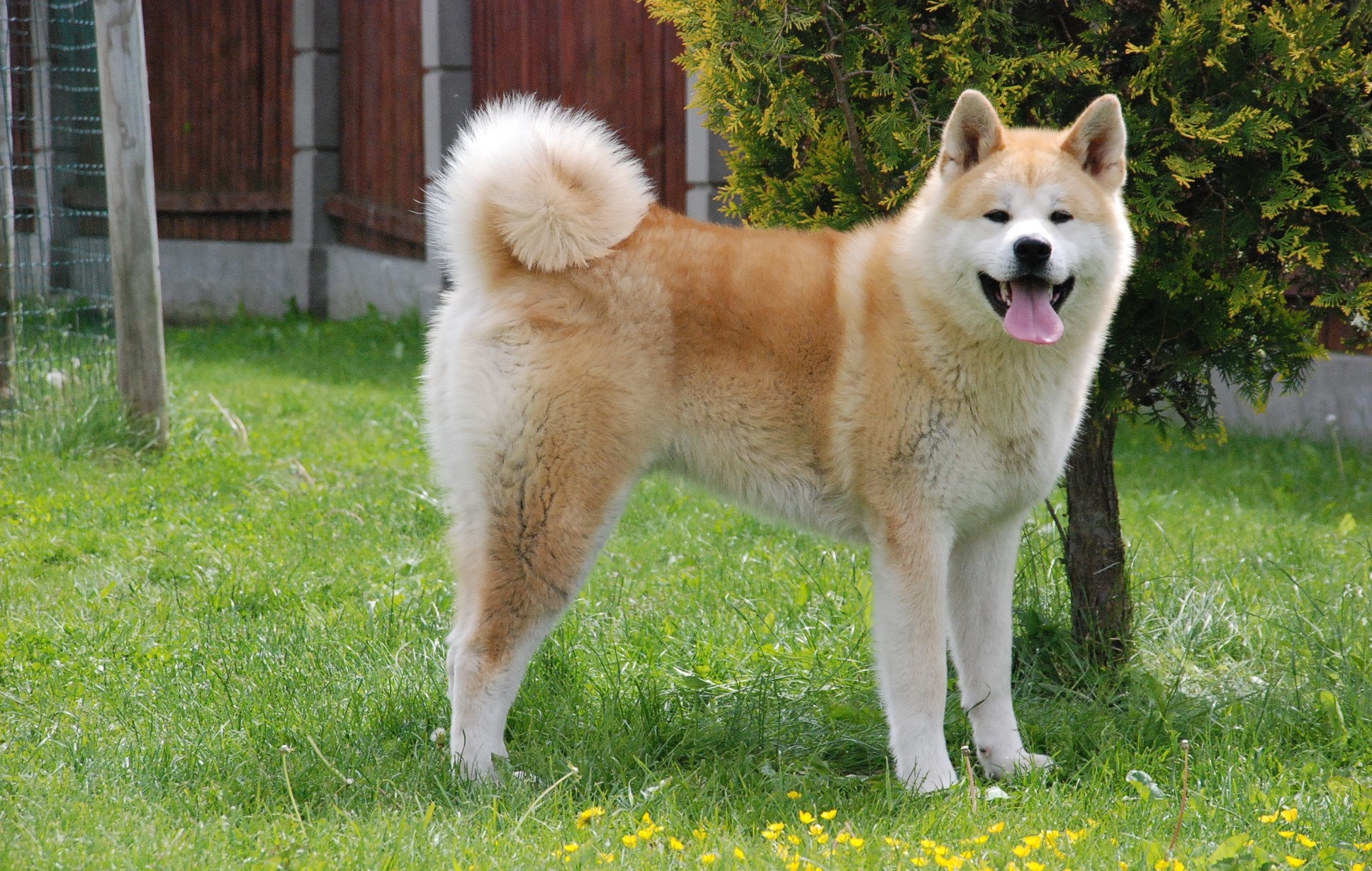
Origin and Development
The Japanese Spitz, a small to medium-sized dog of the Spitz type, originated in Japan during the 1920s and 1930s. Developed through crossbreeding various Spitz type dog breeds, this breed was influenced by white German Spitz dogs, originally brought from northeastern China to Japan. Between 1925 and 1936, various small white Spitz breeds from around the world were imported and crossed into the developing breed, aiming to improve the breed. These imports included breeds from the United States, Canada, and other European countries.
After World War II, the final Standard for the Japanese Spitz was written, and it was accepted by the Japan Kennel Club in 1948. The breed gained popularity in Japan in the 1950s and was exported to Sweden in the early 1950s. It was then introduced to England, where it was recognized by the Kennel Club in 1977 and placed in the Utility Group. Today, the Japanese Spitz is recognized by most major kennel clubs in the English-speaking world, including the Canadian Kennel Club, New Zealand Kennel Club, Australian National Kennel Council, and the United Kennel Club in the U. S. The breed's registry with the American Kennel Club (AKC) was established in 1991.
Breed Characteristics
The Japanese Spitz has a medium-sized body, with males weighing between 5 to 11 kg and females between 4.5 to 9 kg. Their height ranges from 30 to 39 cm at the withers. They possess a pure white double coat, with fur that stands off from the soft undercoat. Their coat is shorter on the muzzle, ears, and the fronts of the forelegs and hindlegs. A ruff of longer fur surrounds the neck, and the tail is long, heavily covered with fur, carried curled over the back. The breed's coat is dense and water-repellent, similar to that of the Samoyed.
They have a pointed muzzle, small triangular-shaped prick ears, and a black nose, nails, and eye rims. The eyes are large, oval, and dark, slightly slanted with white eyelashes. The face of the Japanese Spitz is described as wedge-shaped, sharing a resemblance with the white Pomeranian, Samoyed, and American Eskimo Dog. Size standards vary internationally, with slight differences in the ideal height and weight for males and females, reflecting the breed's adaptation to different climates and living conditions.
Temperament and Behavior
Japanese Spitz dogs are known for their intelligent, playful, alert, loyal, affectionate, and friendly dispositions. Despite their small size, they can be reliable watchdogs and have a tendency to bark to warn of arriving strangers. They are particularly excellent and loving toward children, and are known for their great courage and amiability. This breed is also known for its high energy levels and is often described as a "big dog in a small package. "
These dogs are intelligent and trainable, which makes them suitable for various training activities, including agility and obedience. They enjoy being active and love to be outdoors, but as companion dogs, they prefer to be an active part of the family. They are known for their strong bond with their owners and can become very attached to their human companions.
Health Concerns
The Japanese Spitz is generally a healthy breed with very few genetic problems. However, the major health concern is patellar luxation, a condition where the kneecap dislocates out of its normal position, which can occur in up to 14% of the breed. This condition can cause discomfort or lameness and may require surgical correction. Another minor concern is runny eyes, which can be due to small tear ducts, allergies to long grass or stress, or occasionally, a serious eye defect such as corneal dystrophy. Progressive retinal atrophy of the rcd4 type (PRA-rcd4), a late-onset inherited eye disease, has also been identified in the breed, affecting up to 3% of the population.
Early detection and management of these health issues can significantly improve the quality of life for these dogs.
Lifestyle and Care
Japanese Spitz dogs can tolerate cold weather but prefer to live in the house with their human family, as they were bred as companion dogs. While they can live in apartments, they need some time to run around outside off-leash in a safe environment to fulfill their high energy levels.
Their white fur coat has a non-stick texture, similar to Teflon, which makes grooming relatively easy. Despite their fluffy appearance, they are considered a low maintenance breed, as dirt and mud do not stick to their coat as easily. Their moderate shedding requires regular brushing to manage hair in the home.
Lifespan and Expectations
A 2024 UK study found that the life expectancy of the Japanese Spitz is 13 years, which is slightly higher than the average life expectancy for purebreeds (12.7 years) and crossbreeds (12 years). This lifespan is attributed to the breed's overall good health and the relatively low incidence of serious genetic health issues. However, certain genetic conditions such as patellar luxation and PRA-rcd4 can affect longevity if not managed properly.
Buying a Japanese Spitz
- Ask for proof of health clearances for patellar luxation and eye health, including CERF (Canine Eye Registration Foundation) and OFA (Orthopedic Foundation for Animals) certifications.
- Request information on the dog's family history and genetic testing results, particularly for patellar luxation and PRA-rcd4.
- Visit the puppy's home environment and observe the parents if possible, to assess the quality of breeding practices and the health of the puppies.
- Discuss grooming and exercise requirements with the breeder, as well as the dog's dietary needs and any potential health concerns.
Understanding the breed's characteristics, health concerns, and care requirements will help ensure a successful match between dog and owner.
Frequently Asked Questions
What is the lifespan of the Japanese Spitz?
The average lifespan of the Japanese Spitz is about 12-16 years. Good nutrition and regular veterinary care support a healthy life.
What is the temperament of the Japanese Spitz?
The Japanese Spitz is known for: Intelligent, Playful, Alert, Loyal, Affectionate, Friendly. Its energy level is high.
What size and weight is the Japanese Spitz?
It is a medium-sized dog, typically around Male: 5-11; Female: 4.5-9 kg as an adult.
Is the Japanese Spitz easy to care for?
Reliable grooming and shedding ratings are not available. Routine brushing, ear and dental care, and nail trims are still recommended.
Is the Japanese Spitz good with kids and other pets?
Reliable child- and pet-friendliness ratings are not available. Supervised, gradual introductions are recommended.
How much exercise does the Japanese Spitz need?
With a high energy level, it needs walks, play or training matched to its stamina.
Japanese Spitz
Trait Scores
N/A