Origin and History
The Indian Spitz has its origins in India, where it was developed from German Spitz ancestors during the 19th century. This breed was introduced by the British, who brought the German Spitz to India and adapted it to the warm Indian climate, retaining the intelligence and adaptability of its German heritage.
During the 1980s and 1990s, the Indian Spitz gained popularity in India due to restrictive import rules that made it difficult to import dogs of other breeds. This led to a surge in the breed's popularity as it became a preferred choice among Indian dog enthusiasts.
The breed resembles the Samoyed and Pomeranian, and its original purpose was to serve as a hunting dog in cold conditions. This is reflected in its white coloring, though this is not a requirement in its current role as a companion dog. The breed's adaptability and hardiness were crucial for its survival and popularity in the region.
Appearance
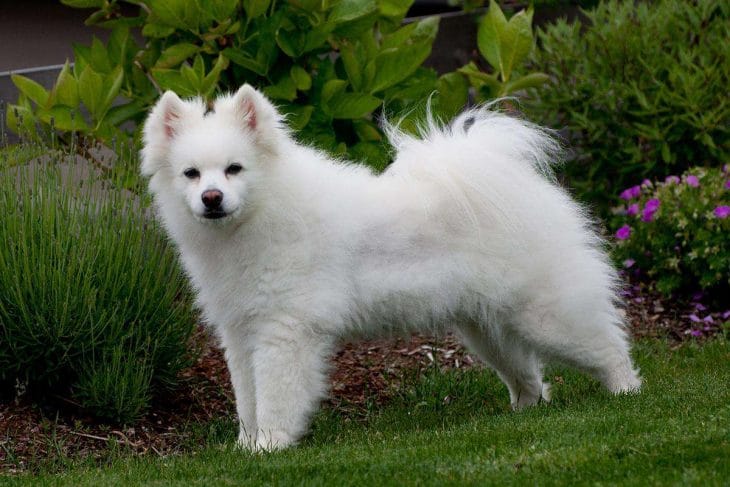
Indian Spitzes are small to medium-sized dogs, with males weighing between 12-18 kg and females between 10-16 kg. They stand at a height of 35-41 cm for males and 33-38 cm for females at the withers, making them a compact and muscular breed.
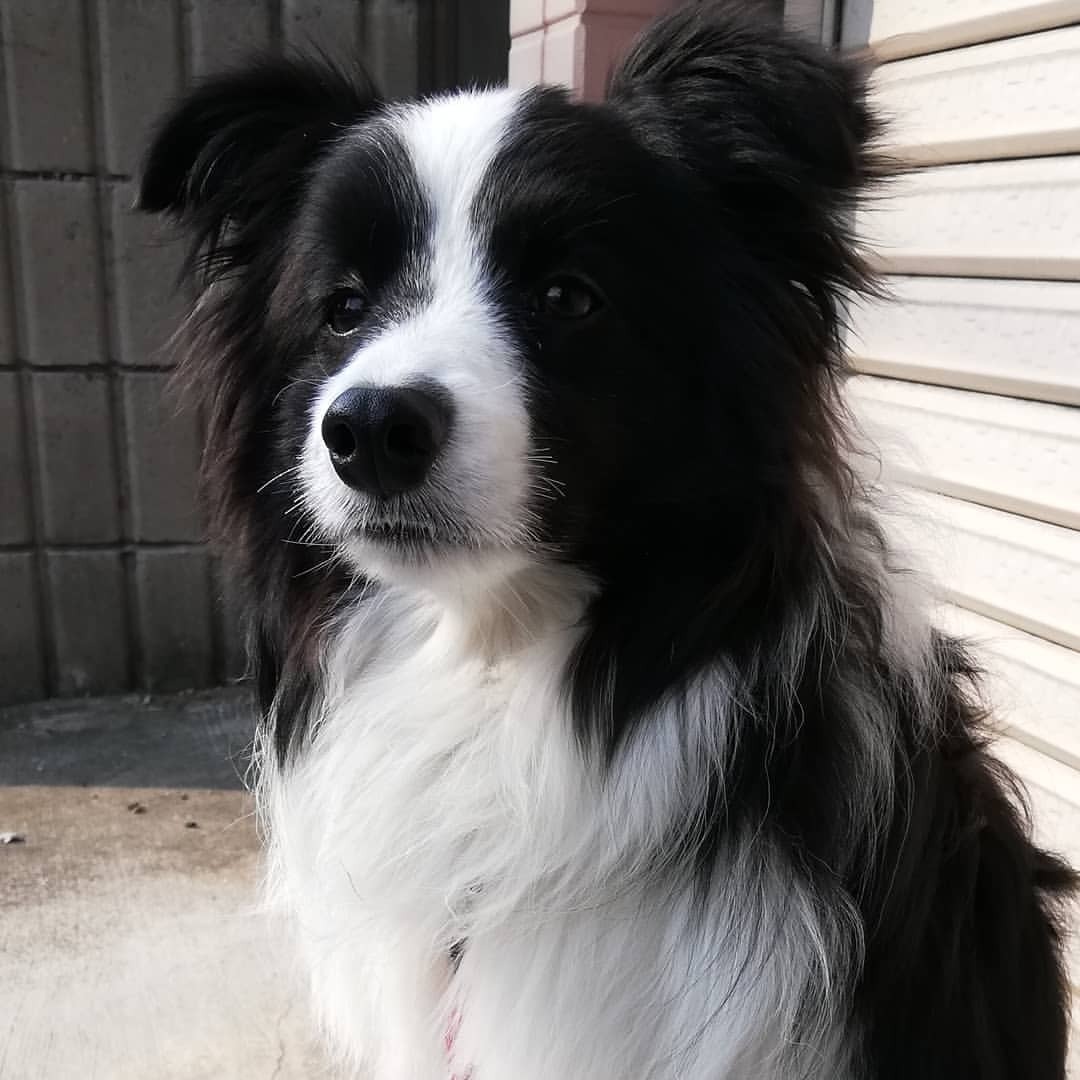
Their coat is dense, double-layered, and can be white or cream, with some individuals showing white and brown patterns. The outer coat is straight and lies close to the body, while the undercoat is thick and soft. The coat is soft and requires regular brushing to maintain its condition, typically at least once a week.
They have pointed ears and a curled tail that is fluffy and carried over their back. Their legs are slightly longer than their bodies, which contributes to their distinctive, almost fox-like appearance. The breed's coat and body structure are designed for insulation, reflecting its original hunting role in cold climates.
Temperament and Characteristics
Indian Spitzes are known for their alert, intelligent, playful, loyal, friendly, and adaptable temperaments. They are highly trainable and can be easily housebroken, making them a great choice for first-time dog owners.
Despite their high energy levels, they are relatively easy to care for, requiring moderate exercise and grooming.
These dogs are excellent companions for families and are generally good with children. Their friendly nature and playful disposition make them a beloved member of many households. They are also known for their strong bond with their owners, often displaying loyalty and affection.
Grooming and Maintenance
Indian Spitzes may require baths twice a month to once a month to prevent their fur from drying out and to maintain its softness.
Shedding is a significant issue for this breed, as they shed their thick winter coat in warmer months.
Size Variations
The Indian Spitz can be divided into two categories based on size: the Smaller Indian Spitz (also known as the Lesser Indian Spitz) and the Bigger Indian Spitz (also known as the Greater Indian Spitz). The Lesser Indian Spitz weighs roughly 5-7 kg and is 22-25 cm at the withers, while the Greater Indian Spitz weighs 12-20 kg and is 35-45 cm at the withers.
These size variations contribute to the breed's diversity and the ability to adapt to different living environments and lifestyle needs. The smaller size may be more suitable for smaller living spaces, while the larger size may be preferred by those who appreciate a more robust and energetic companion.
Differences from Other Breeds
The Indian Spitz is often mistaken for a Pomeranian, but there are distinct differences between the two breeds. The Indian Spitz has a shorter coat and is larger than a Pomeranian, which weighs less than 10 pounds and is rarely over 12 inches in height.
The Pomeranian has a flatter face, rounded ears, and a denser, thicker coat compared to the Indian Spitz, which has a more conical snout and less dense coat with more visible hair follicles. These differences highlight the unique characteristics of the Indian Spitz and its position within the spitz breed group.
Health Considerations
The Indian Spitz has a high risk of developing corneal ulceration, a condition that can cause discomfort and vision issues.
Other potential health issues include hip dysplasia, patellar luxation, and skin allergies.
Popular Culture and Notable Individuals
The Indian Spitz has made its mark in popular culture, with one notable example being Redo, who played 'Tuffy' in the 1994 romantic comedy 'Hum Aapke Hain Koun'. Redo, an Indian Spitz, passed away in 2000 at the age of 12, showcasing the breed's longevity and popularity as a family pet.
The breed's presence in films and as beloved pets in Indian households further highlights its cultural significance and adaptability to various environments. The Indian Spitz has become a symbol of loyalty and companionship, cherished by many in Indian society.
Buying an Indian Spitz: Practical Considerations
- Ensure you are purchasing from a reputable breeder who can provide health clearances and a healthy puppy. This includes verifying that the puppy has been examined by a veterinarian and has received necessary vaccinations and deworming treatments.
- Consider the breed's energy levels and grooming needs when deciding if the Indian Spitz is the right fit for your lifestyle.
- Research the breed's history and characteristics to ensure that you understand the responsibilities and commitments associated with owning an Indian Spitz.
Frequently Asked Questions
What is the lifespan of the Indian Spitz?
The average lifespan of the Indian Spitz is about 10-16 years. Good nutrition and regular veterinary care support a healthy life.
What is the temperament of the Indian Spitz?
The Indian Spitz is known for: Alert, Intelligent, Playful, Loyal, Friendly, Adaptable. Its energy level is high.
What size and weight is the Indian Spitz?
It is a large dog, typically around Male: 12-18; Female: 10-16 kg as an adult.
Is the Indian Spitz easy to care for?
Reliable grooming and shedding ratings are not available. Routine brushing, ear and dental care, and nail trims are still recommended.
Is the Indian Spitz good with kids and other pets?
Reliable child- and pet-friendliness ratings are not available. Supervised, gradual introductions are recommended.
How much exercise does the Indian Spitz need?
With a high energy level, it needs walks, play or training matched to its stamina.
Indian Spitz
Trait Scores
N/A