Origin and History
The Indian Pariah Dog, also known as the South Asian pariah dog or Desi Kutta, is a landrace breed native to the Indian subcontinent. Its roots date back to at least 4,500 years ago, with archaeological evidence found in the Harappan site of Mohenjo-daro and prehistoric rock art in the Bhimbetka rock shelters. This breed has been an integral part of Indian culture, serving as guard dogs and police dogs due to their alert and territorial nature.
During the British Raj, the breed was intentionally downplayed by merchants who wanted to sell foreign dog breeds. However, its popularity has grown in the West in recent years, leading to exports from the Indian subcontinent. In 2015, the breed was recognized by the Primitive and Aboriginal Dog Society (PADS) and published a breed standard in the Indian Kennel Gazette, reflecting its ancient lineage and unique characteristics.
These dogs were introduced to the Andaman Islands during the establishment of a penal colony, as dogs were previously unknown to the native Andamanese. The Indian Pariah Dog's increasing population in India has raised concerns in some circles, with reports of increased dog bites and rabies cases, although these dogs are not inbred and have minimal genetic health issues due to their natural evolution.
Appearance and Traits
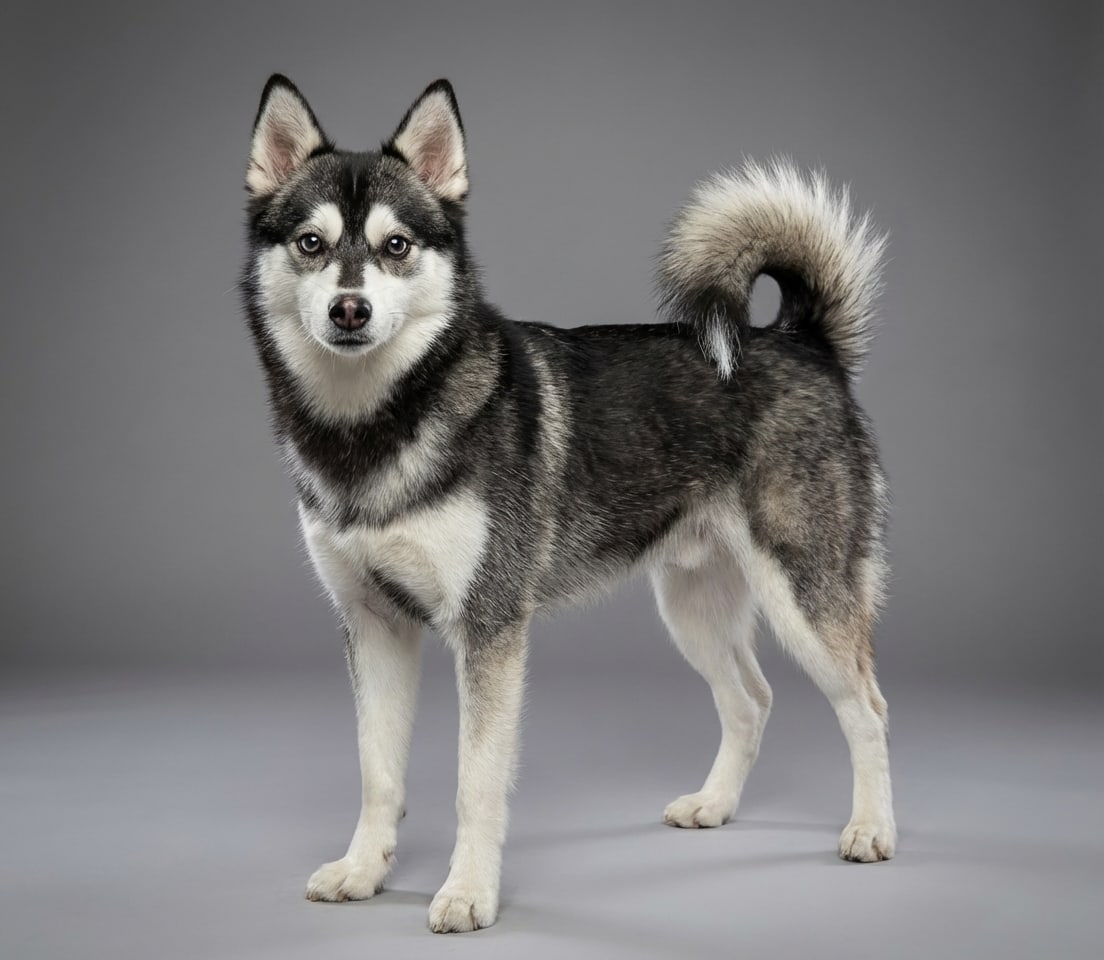
The Indian Pariah Dog is a medium-sized dog with a square to slightly rectangular build and a short coat. They possess a double coat, featuring a coarse upper coat and a soft undercoat. Common colors include browns, from dark to reddish-brown, with or without white markings. Solid blacks and pied coats are rare, and solid white or dalmatian-type spotting are not seen in pure populations, indicating possible mixing with modern breeds.
Their head is medium-sized and wedge-shaped, with a pointed muzzle and noble neck. The ears are erect and pointed at the tips, with a broad base and set low on the head. The tail is curled and held high when excited. This breed has almond-shaped, dark brown eyes and a short, active trot with minimally angled hindquarters.
Temperament and Intelligence
Indian Pariah Dogs are alert, intelligent, and loyal, with a naturally hardy constitution. They are independent but can be highly adaptable and trainable. These dogs are often used as guard dogs and police dogs due to their territorial nature and protective instincts. Their intelligence and adaptability make them suitable for various roles and living situations.
Veterinarian Premlata Choudhary highlighted their intelligence and hardiness, noting that "desi dogs are much more intelligent and hardy than most pedigreed dogs that people spend so much money on. " This observation underscores the breed's resilience and the value of their natural selection for survival.
Health and Genetic Traits
As a naturally evolved breed, the Indian Pariah Dog has very few health concerns. They are relatively clean and have little body odor, requiring minimal grooming. Genetic health issues like hip dysplasia are extremely rare due to the lack of inbreeding and the natural selection of dominant genes that aid their survival. This natural evolution has resulted in a robust and healthy breed with minimal genetic predispositions to disease.
Most deaths occur due to accidents on roads and railway tracks, starvation, drinking polluted water, tumors, snakebites, or harm from humans. These causes highlight the importance of environmental safety and responsible ownership to ensure the well-being of these dogs.
Breed Standard and Recognition
The Indian Pariah Dog was recognized by the Primitive and Aboriginal Dog Society (PADS) and published a breed standard in the Indian Kennel Gazette in 2015. This recognition reflects the breed's ancient lineage and unique characteristics, which set it apart from other dog breeds. The breed standard is a critical document that defines the ideal characteristics of the breed, ensuring that breeders and owners have a clear understanding of what constitutes a purebred Indian Pariah Dog.
Many kennel clubs use the term "primitive dog" to describe dogs of the South Asian pariah type, reflecting their close resemblance to early domesticated dogs. This classification acknowledges their primitive nature and their role in the early stages of dog domestication. The recognition by kennel clubs worldwide has helped to preserve the breed's unique genetic heritage and cultural significance.
Living with an Indian Pariah Dog
Due to their independent nature, they may not be the best choice for first-time dog owners. They need a confident handler who can provide firm, consistent leadership. Providing them with a job or activity that utilizes their intelligence and protective instincts can help with their training and overall well-being.
Training and Socialization
Training an Indian Pariah Dog requires patience and a firm, yet gentle, approach. These dogs are intelligent and learn quickly but may resist commands if they feel they are being pushed beyond their limits. Positive reinforcement, such as treats and praise, is highly effective. Socialization is also crucial to ensure they are well-rounded and comfortable in various situations. Early exposure to different people, animals, and environments can help prevent shy or aggressive behavior as they mature.
Care and Maintenance
The Indian Pariah Dog requires minimal grooming due to its short coat, which sheds moderately throughout the year. They are relatively clean and have little body odor, which makes them easy to maintain.
Buyer's Checklist and Cost Realism
- Consider the breed's intelligence and adaptability when selecting a potential owner.
- Be prepared to invest in a pet that may require specialized training due to its independent nature.
- Understand the breed's exercise needs and ensure that you can provide a sufficient amount of daily physical activity.
- Be aware of the potential costs associated with veterinary care, including vaccinations, deworming, and preventative care.
- Be prepared for the long-term commitment of owning a dog, including the costs of food, shelter, and other essentials.
Frequently Asked Questions
What is the temperament of the Indian Pariah Dog?
The Indian Pariah Dog is known for: Alert, Intelligent, Loyal, Adaptable, Independent. Its energy level is moderate.
What size and weight is the Indian Pariah Dog?
It is a large dog, typically around Male: 15-30; Female: 15-25 kg as an adult.
Is the Indian Pariah Dog easy to care for?
Reliable grooming and shedding ratings are not available. Routine brushing, ear and dental care, and nail trims are still recommended.
Is the Indian Pariah Dog good with kids and other pets?
Reliable child- and pet-friendliness ratings are not available. Supervised, gradual introductions are recommended.
How much exercise does the Indian Pariah Dog need?
With a moderate energy level, it needs walks, play or training matched to its stamina.
Indian Pariah Dog
Trait Scores
N/A