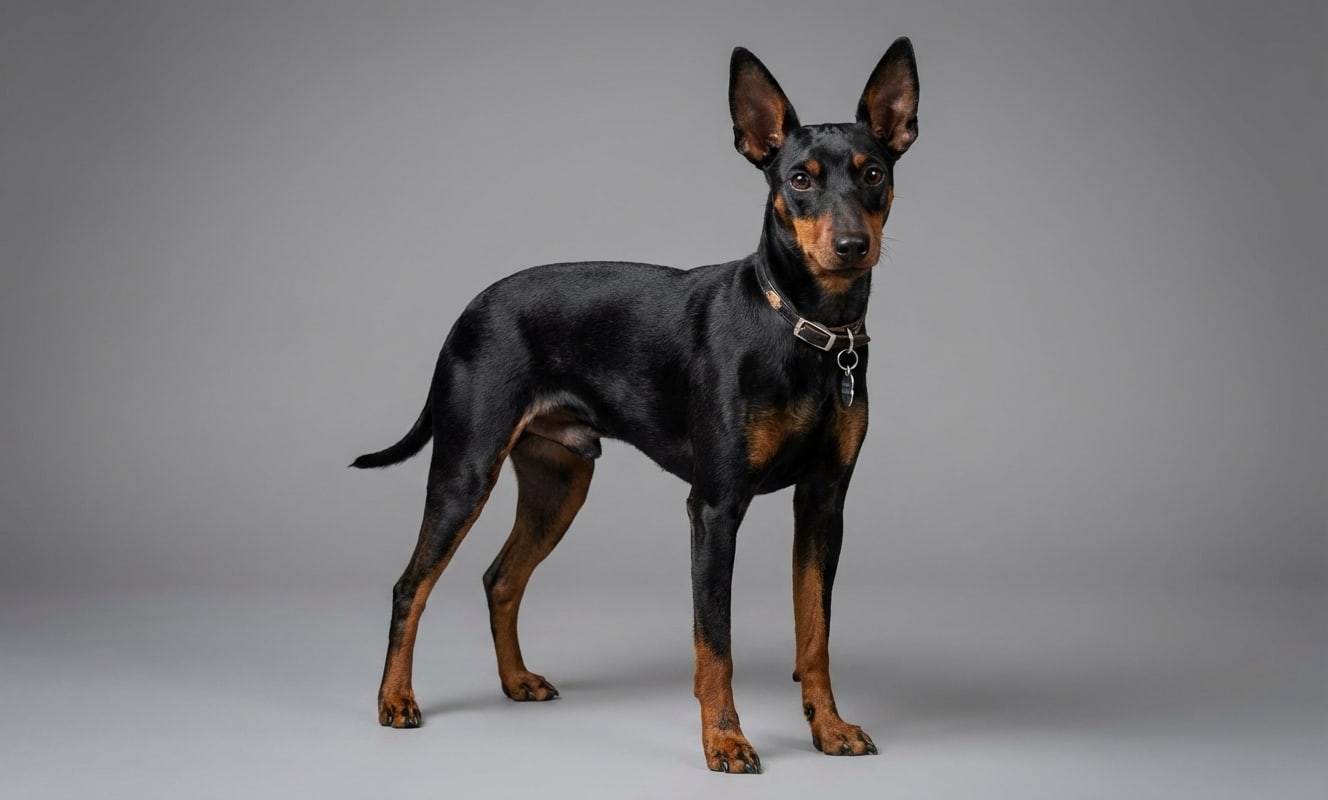
Origin and Appearance
The Ibizan Hound, known as podenco ibicenco in Spanish and ca eivissenc in Catalan, originated in the Balearic Islands of Spain, specifically the island of Ibiza. This elegant and agile breed has been a part of the island's culture since the Phoenicians and Romans first brought them to the region. It comes in two hair types: smooth and wire, with the smooth coat being more commonly seen, especially in areas where the climate is cooler.
Distinctive features include its large, erect ears, which are believed to help the dog detect the scent of prey at great distances. The long and elegant headpiece, with its pronounced stop, and the long, lean neck contribute to its elegant appearance. The front assembly of the Ibizan Hound features well laid-back shoulders and a relatively straight upper arm, which allows for a smooth gait. Their coat is typically a combination of red and white, with light tan coloring on the nose, ears, eye rims, and pads of feet. The eyes are amber, conveying an alert and intelligent expression that is characteristic of the breed.
Males stand between 60-70 cm (23.6-27.5 inches) at the withers and weigh 23-29 kg (51-64 pounds), while females are 57-66 cm (22.4-26 inches) tall and weigh 20-25 kg (44-55 pounds). The breed standard dictates that the males should have a height and weight that is slightly larger than the females, reflecting their role as the primary hunters in the pack.
Temperament and Behavior
Ibizan Hounds are known for their intelligence, which is reflected in their ranking of 53rd in Stanley Coren's book "The Intelligence of Dogs," placing them in the average working/obedience intelligence category. Their playful and clown-like antics make them delightful companions, but their independent and stubborn nature can also be a challenge. They are generally quiet but will bark to alert if necessary, making them effective watch dogs. This bark is often a high-pitched sound that can be distinctive and carry over long distances.
These dogs are sensitive and get along well with children and other dogs, but their high energy levels mean they require ample daily exercise. They are not suited for kennel living and need a home with plenty of space to run and play. Their strong prey drive means they should not be trusted off-leash unless in a securely enclosed area, as they may chase after small animals. Their strong hunting instincts can also make them challenging to recall once off-leash.
They are known as "escapologists," capable of jumping incredible heights and climbing, which requires very tall fences.
Health and Genetics
The Ibizan Hound is typically free from hereditary illnesses, but some minor concerns include seizures, which can be a result of idiopathic epilepsy, allergies, axonal dystrophy, a condition affecting the nervous system, cataract, retinal dysplasia, and deafness.
The average lifespan of the Ibizan Hound is between 12 and 14 years, which is typical for the hound group.
History and Recognition
The Ibizan Hound's origins are closely linked to the island of Ibiza, where it has been traditionally used in Catalan-speaking areas of Spain and France for hunting rabbits and small game. This breed is similar in function and type to several others, such as the Pharaoh Hound, Cirneco dell'Etna, Portuguese Podengo, and Podenco Canario, and is the largest among them. These breeds are often referred to as "podencos," which means "dog" in Catalan.
The Ibizan Hound is recognized by several kennel clubs and organizations, including the Fédération Cynologique Internationale, American Kennel Club, United Kennel Club, and Kennel Club of Great Britain, among others. It was fully recognized by the American Kennel Club in 1979, which marked the official recognition of the breed in the United States. The breed standard was established by the American Kennel Club, which outlines the specific characteristics and qualities that define the Ibizan Hound.
Working Traits and Trials
The Ibizan Hound is a fast hunter, capable of working on various terrains, utilizing scent, sound, and sight. Historically, hunters would use these dogs in packs, with females often being the better hunters.
Working trials for the Ibizan Hound involve evaluating their tracking, signaling, chasing, putting game to cover, and catching abilities. These trials require a great degree of discipline, obedience, and cooperation among the dogs.
In the United States, the Ibizan Hound is frequently seen in lure coursing competitions through the AKC and ASFA, as well as in LGRA straight racing and NOTRA oval track racing. Some regions also use them for coursing live prey, typically jackrabbits. These activities provide an outlet for the breed's hunting instincts and allow them to showcase their natural abilities.
Folk Culture and Considerations
In folk culture, it is considered bad luck to kill an Ibizan Hound if an owner no longer wishes to keep it. Instead, the dog is released on the other side of the island, allowing someone else to 'adopt' the animal. This tradition reflects the deep bond between the people of Ibiza and their dogs and the respect for the breed's hunting heritage.
They require a secure environment due to their strong jumping ability and prey drive.
Buying Checklist and Cost Realism
- Ensure you have a secure, tall fence to prevent escape, as the Ibizan Hound is known for its ability to jump over barriers.
- Be prepared for a highly energetic and intelligent dog that requires daily exercise and mental stimulation. This includes regular walks, runs, and playtime.
- Understand the breed's independent nature and be willing to use positive training methods to develop a strong bond and ensure good behavior.
- Be aware of the cost of proper nutrition, grooming, and health care for a dog of this size and energy level.
- Consider the cost of participating in activities that cater to the Ibizan Hound's natural abilities, such as lure coursing or other dog sports.
Frequently Asked Questions
What is the lifespan of the Ibizan Hound?
The average lifespan of the Ibizan Hound is about 11-14 years. Good nutrition and regular veterinary care support a healthy life.
What is the temperament of the Ibizan Hound?
The Ibizan Hound is known for: Independent, Intelligent, Athletic, Gentle, Alert, Playful. Its energy level is high.
What size and weight is the Ibizan Hound?
It is a large dog, typically around Male: 23-29; Female: 20-25 kg as an adult.
Is the Ibizan Hound easy to care for?
Reliable grooming and shedding ratings are not available. Routine brushing, ear and dental care, and nail trims are still recommended.
Is the Ibizan Hound good with kids and other pets?
Reliable child- and pet-friendliness ratings are not available. Supervised, gradual introductions are recommended.
How much exercise does the Ibizan Hound need?
With a high energy level, it needs walks, play or training matched to its stamina.
Ibizan Hound
Trait Scores
N/A