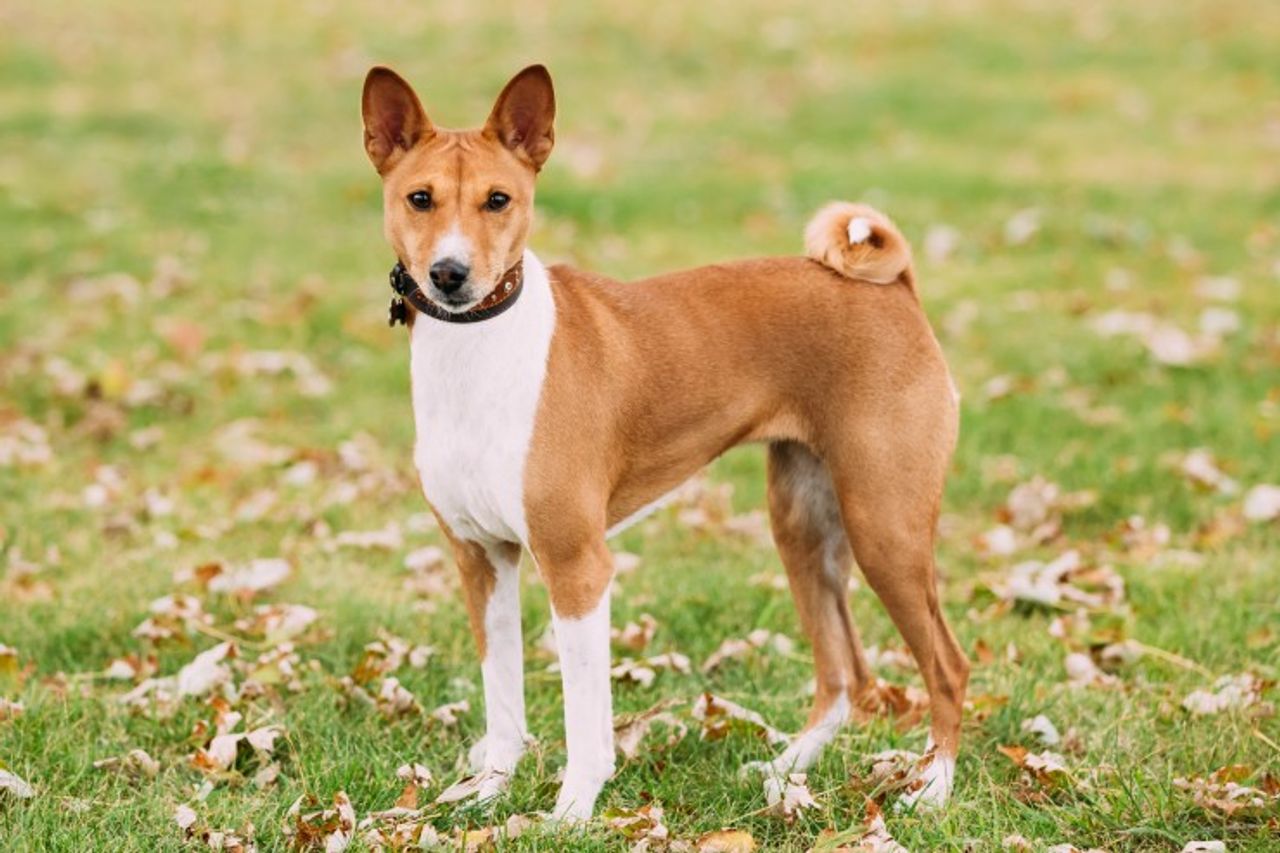
Huskimo Breed Profile
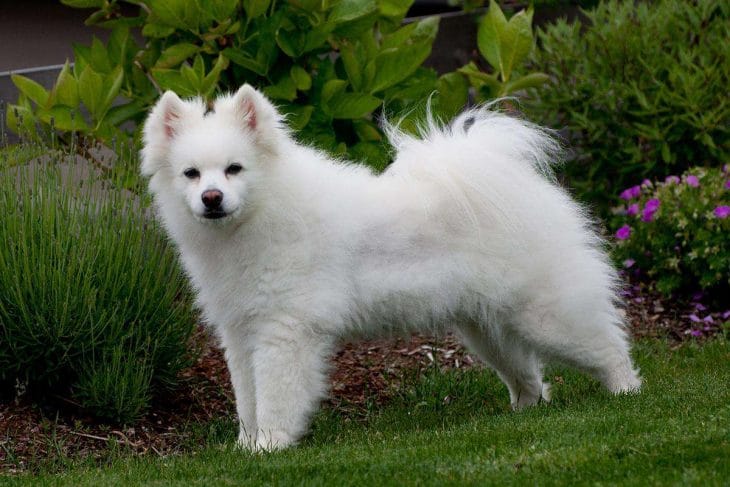
The Huskimo, a medium to large mixed breed, originates from the United States and is a result of crossing the Siberian Husky and American Eskimo Dog. This breed is characterized by its wolf-like appearance and Spitz-type characteristics, including a thick double coat and an energetic, intelligent temperament. Huskimos are known for their striking blue eyes and a range of colorings that include gray, black, red, and white, often in patterns that mimic their parent breeds.
Intelligent, energetic, playful, friendly, alert, and loyal are the temperament tags that describe the Huskimo. They have a life span of 12-15 years, with males weighing between 16-32 kg and standing at 46-61 cm, while females weigh 14-27 kg and stand at 41-58 cm. The Huskimo is a large dog with a medium-length coat, high energy levels, medium friendliness, and medium shedding. It is highly trainable and is not considered hypoallergenic, which is a trait not inherited from either parent breed.
Origins and Development
The Huskimo breed combines the traits of the Siberian Husky and American Eskimo Dog. The Siberian Husky, a medium-sized working sled dog, belongs to the Spitz genetic family and was originally developed by the Chukchi people in the Russian Far East for sled pulling and companionship. The breed is known for its thick double coat, erect triangular ears, and distinctive markings, including a mask, eye rings, and a saddle patch. The American Eskimo Dog, on the other hand, is a companion dog that originated in Germany and is a member of the Spitz family. Its ancestors were German Spitz, and the breed became popular in the United States during the 1930s and 1940s as a circus performer and show dog.
The Huskimo's lineage can be traced back to a DNA study in 2015, which indicated a close genetic relationship between the Siberian Husky, the Alaskan Malamute, and the Alaskan Husky, all of which are related to Chukotka sled dogs from Siberia. The Siberian Husky's gene pool has emerged into four genetically distinct populations: Show, Pet, Racing, and Seppala Siberian Sleddogs. This genetic diversity is a result of the breed's history and the various roles it has played, from sled pulling to companionship. The development of the Huskimo breed began in the 1990s and has gained popularity as a family pet and working dog.
Temperament and Personality
The Huskimo is known for its intelligent and energetic temperament. They are playful, friendly, alert, and loyal companions. The Huskimo's alertness makes them excellent watchdogs, but their friendly nature ensures they are not overly aggressive. Their loyalty to their owners is unwavering, making them great family pets. Huskimos are also known to be good with other dogs and pets, especially when properly socialized from a young age.
Due to their high intelligence, Huskimos are highly trainable. They respond well to positive reinforcement and enjoy learning new tricks. However, their energetic nature means they require a consistent training routine to ensure they remain well-behaved and under control.
Physical Characteristics
The Huskimo has a medium-length thick double coat, which is similar to that of its parent breeds. The undercoat is dense and finely wavy, while the topcoat is longer and thicker. This coat provides excellent protection against cold weather, which is a trait inherited from the Siberian Husky. The Huskimo also has a ruff around the neck and shoulders, a characteristic shared with the American Eskimo Dog. Their ears are erect and triangular, and their tails are heavily furred and often curl over their back.
The Huskimo comes in various colors and patterns, similar to the Siberian Husky, which can range from gray and white to red and white, and may include markings such as a black mask, white collar, and blaze. The color variations are a result of the genetic diversity within the breed and can contribute to their unique appearance.
Health Considerations
Some potential health issues include hip dysplasia, which can lead to mobility problems, and eye disorders such as cataracts and progressive retinal atrophy. Other health concerns may include skin issues, which can be exacerbated by the Huskimo's thick coat, and dental problems, which are common in many breeds.
The Huskimo's genetic background also includes a genetic affinity with the now-extinct Taimyr wolf of North Asia, which could lead to a higher susceptibility to certain genetic disorders.
Living with a Huskimo
Living with a Huskimo requires a commitment to their high energy levels and exercise needs. Huskimos are not suitable for apartment living or owners who cannot provide them with ample space to roam and play. They do well in homes with a secure yard where they can safely explore and exercise.
Given their intelligence and playful nature, Huskimos are great companions for families with children who can keep up with their energy levels. They are friendly and loyal, making them excellent family pets. However, their strong prey drive means they may not be the best choice for homes with smaller pets. Huskimos can be very vocal and may howl or bark, so they may not be ideal for noise-sensitive neighbors.
Breeding Huskimos
Breeding Huskimos is a responsibility that requires careful consideration of the genetic health of both parents. Responsible breeders conduct thorough health clearances on both the sire and the dam to minimize the risk of passing on hereditary conditions. Health tests that are commonly performed include hip and elbow evaluations, eye exams, and heart evaluations.
Breed standards for Huskimos may vary by registry, but generally, breeders aim to maintain a dog with a well-proportioned body, a thick double coat, and a temperament that is friendly and alert. The American Kennel Club (AKC) does not recognize the Huskimo as a breed, but other organizations, such as the United Kennel Club (UKC), may have specific standards for the breed.
Buying a Huskimo
When considering adding a Huskimo to your family, there are several factors to consider. First, be prepared for the initial cost, which can range from $500 to $1500 depending on the breeder and the dog's lineage, including the dog's bloodline and the breeder's reputation. A Huskimo with a strong genetic background and good temperament is more likely to be a healthy and well-adjusted adult dog.
- Research breeders thoroughly to ensure they are reputable and committed to the health and welfare of their dogs.
- Meet the puppy's parents to assess their temperament and health, as the puppy will inherit traits from both parents.
- Obtain health clearances and ask for documentation to ensure the puppy is free from genetic disorders common to the breed.
- Ensure proper socialization by exposing the puppy to a variety of people, dogs, and environments to help them become well-rounded adults.
By taking these steps, you can increase the likelihood of a happy and healthy relationship with your Huskimo.
Frequently Asked Questions
What is the lifespan of the Huskimo?
The average lifespan of the Huskimo is about 12-15 years. Good nutrition and regular veterinary care support a healthy life.
What is the temperament of the Huskimo?
The Huskimo is known for: Intelligent, Energetic, Playful, Friendly, Alert, Loyal. Its energy level is high.
What size and weight is the Huskimo?
It is a large dog, typically around Male: 16-32; Female: 14-27 kg as an adult.
Is the Huskimo easy to care for?
Reliable grooming and shedding ratings are not available. Routine brushing, ear and dental care, and nail trims are still recommended.
Is the Huskimo good with kids and other pets?
Reliable child- and pet-friendliness ratings are not available. Supervised, gradual introductions are recommended.
How much exercise does the Huskimo need?
With a high energy level, it needs walks, play or training matched to its stamina.
Huskimo
Trait Scores
N/A