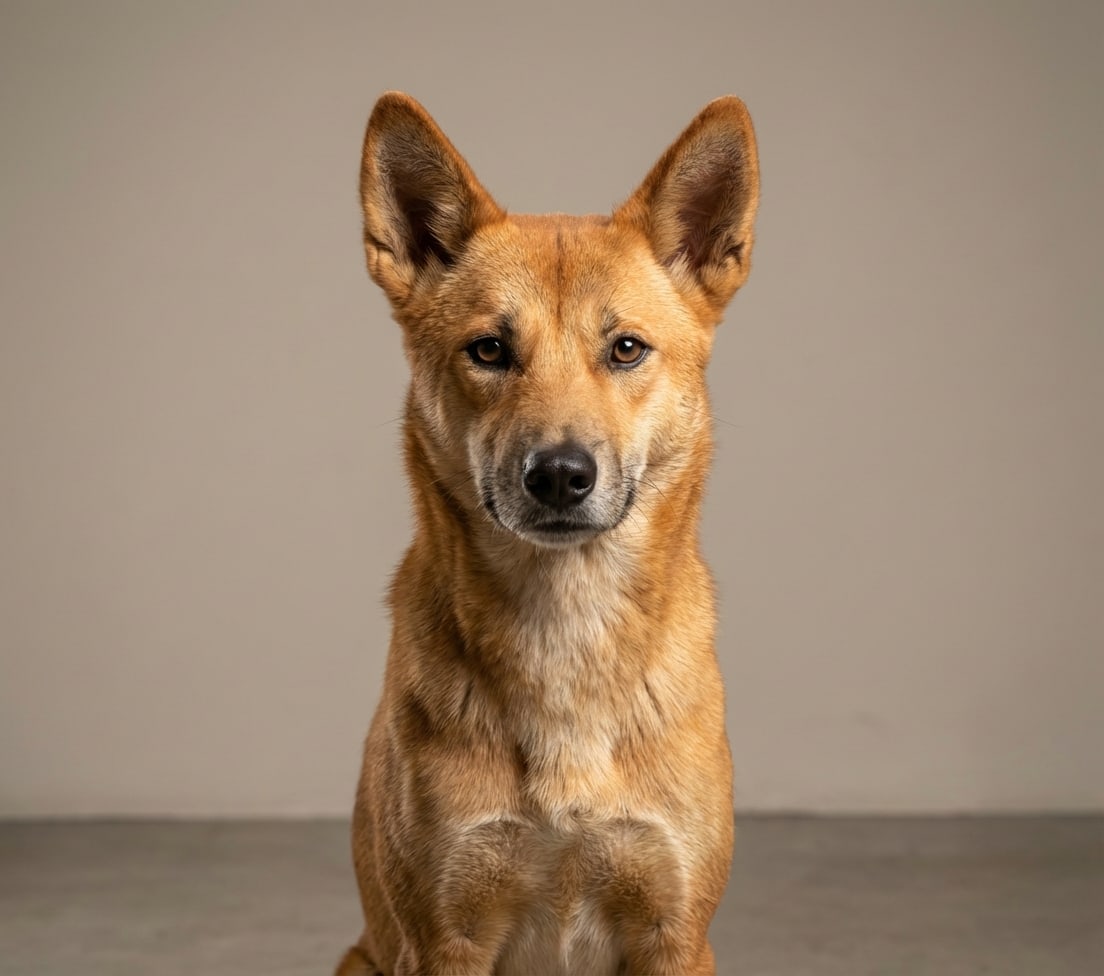
Origin and Name
The Hovawart, a breed with German origins, is named from the Middle High German words "hova" meaning "yard" or "farm" and "wart" meaning "watchman. " This name reflects its original purpose as a farmyard guardian, a role that underscores its protective instincts and its function as a yard-watcher. The breed's origins are deeply rooted in the medieval period, where it was cherished for its exceptional working abilities.
Developed in Germany, the Hovawart has a rich history that dates back to the medieval period. It was particularly valued for its strength, loyalty, and protective nature, traits that have been preserved in the breed to this day. The breed's role as a guardian on the farm was pivotal, reflecting its deep connection to agricultural life in the region.
Appearance
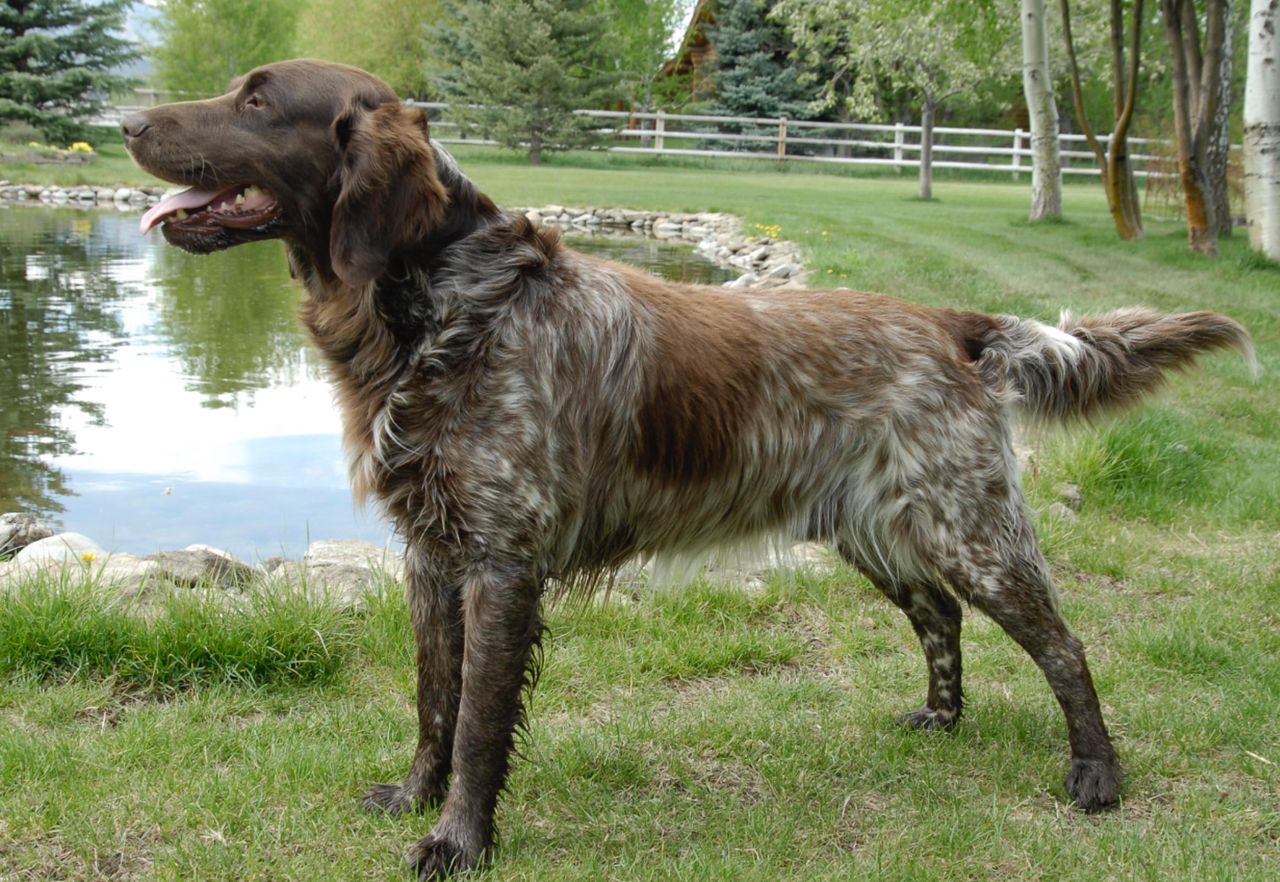
The Hovawart is a muscular, medium-sized dog with a long, dense, slightly wavy coat. The length of the coat is between 110-115% of the height at the withers, a characteristic that adds to the breed's distinctive and noble appearance. The coat is typically double-layered, with a topcoat that is water-resistant and a soft undercoat for insulation.
With a straight bridge of the nose, a roughly equal length of muzzle and skull, and tight skin, the Hovawart's facial pigmentation is black, which is a breed standard. Its eyes are oval-shaped, dark to medium brown, and its ears are triangular and drop down, reaching to be in line with the mouth. The color and shape of the eyes and ears contribute to the breed's overall alert and intelligent appearance.
The tail of the Hovawart reaches to the hocks but does not touch the ground, a feature that adds to the breed's silhouette and contributes to its regal presence. The tail is typically carried either horizontally or in a slight curve over the back, and it can be either straight or slightly curled at the end.
Size and Weight
Male Hovawarts stand at 63-70 cm (25-28 inches) at the withers, while females are slightly smaller at 58-65 cm (23-26 inches). This size variation between genders is a well-documented characteristic of the breed. The weight of males ranges from 30-40 kg (66-88 lbs), and females from 25-35 kg (55-77 lbs), indicating a substantial and robust build that is characteristic of the Hovawart.
The Hovawart's strong build and size enable it to perform tasks that require strength and endurance, such as guarding property or assisting in search and rescue operations.
Temperament and Personality
Hovawarts are known for their loyal, protective, intelligent, confident, devoted, and alert nature. They are naturally protective dogs, which makes them excellent family pets when properly trained. Their guarding instincts and desire to be part of a pack make them vigilant watchdogs, always ready to protect their family and property.
Despite their protective nature, Hovawarts can be quite affectionate with their families, forming strong bonds with their owners. Their temperament is balanced, which contributes to their popularity as both family companions and working dogs.
These dogs are also known for their intelligence and trainability, which is a result of their working heritage. They respond well to positive reinforcement training methods and enjoy learning new tasks, making them suitable for activities that challenge their minds, such as agility or obedience training.
History and Breeding
Following the medieval period, the popularity of the Hovawart began to decline, replaced by newer breeds like the German Shepherd Dog. By the early 20th century, the Hovawart was nearly extinct. However, a group of enthusiasts, including zoologist Kurt Friedrich König, worked tirelessly to save the breed. König's dedication to preserving the Hovawart was instrumental in its survival.
In 1915, this group began a careful breeding program, crossing Hovawarts with Kuvasz, Newfoundland, German Shepherd Dog, Leonberger, Bernese Mountain Dog, and an African hunting dog. These crosses were designed to preserve the breed's unique characteristics while enhancing its overall health and vitality. The first Hovawart litter resulting from this program was registered in the German Breeding Registry in 1922. The breed was officially recognized by the German Kennel Club in 1937, marking a significant milestone in its history.
The Second World War posed another threat to the breed, as it did to many others. However, enthusiasm for the Hovawart persisted, leading to its continued existence. Today, the breed is recognized by kennel clubs around the world and is valued for its historical significance and working abilities.
Coat and Grooming
The Hovawart has a long-haired coat that lies close to the body with a slight undercoat. The coat is longer on the chest, belly, and rear of the legs, and it can vary in length depending on the individual dog. The coat is typically water-resistant and provides insulation, making the breed well-suited to various climates.
There are three color variations in the Hovawart: black, black and gold, and blonde. These colors are breed standards and contribute to the breed's distinctive appearance. The black and gold variety, in particular, is highly prized for its unique coloration.
While the Hovawart is not considered hypoallergenic, its moderate shedding and manageable coat length make it a suitable choice for those with allergies or those who prefer less frequent grooming. During shedding seasons, more frequent brushing may be necessary to manage the increased amount of loose fur.
Health and Genetic Considerations
The Hovawart is a generally healthy breed, but like all dogs, they can be prone to certain health issues. Owners should be aware of potential conditions such as hip dysplasia, which can cause mobility issues, and elbow dysplasia, which can affect the dog's ability to use its front legs properly.
Other potential health concerns for Hovawarts include von Willebrand's disease, a bleeding disorder, and degenerative myelopathy, a progressive disease of the spinal cord.
Owners should also be mindful of the breed's genetic background, which includes influences from various working dog breeds. This genetic diversity has contributed to the Hovawart's versatility and resilience, but it also means that owners need to be vigilant about potential inherited health issues.
Activity and Working Abilities
The Hovawart excels in activities that require intelligence, strength, and a protective nature. They do exceptionally well in search and rescue, tracking, and working dog activities, reflecting their original working breed heritage.
Hovawarts are not only capable of performing physically demanding tasks but also enjoy engaging in mentally stimulating activities that challenge their intelligence and loyalty. This dual capability makes them versatile and adaptable to a variety of roles, from working dogs to family pets.
Additionally, the breed's protective nature makes them ideal for roles such as therapy dogs, where their gentle demeanor and strong presence can bring comfort to individuals in need. The Hovawart's history as a working breed and its physical and mental capabilities make it a valuable asset in many different capacities.
Breed-Specific Numbers
The Hovawart is not as commonly found as some other breeds, but it has a dedicated following. According to the American Kennel Club, there were approximately 2,000 Hovawarts registered in the United States as of the latest data available. This number reflects the breed's popularity and the dedication of owners who appreciate its unique qualities.
In Europe, the breed is also well-regarded, with Germany being its ancestral home.
Breed Registries and Standards
The Hovawart is recognized by several kennel clubs around the world, including the American Kennel Club (AKC) and the United Kennel Club (UKC). These registries maintain standards for the breed, which include specific requirements for appearance, temperament, and health.
The AKC breed standard, for example, details the ideal height, weight, coat, and color for Hovawarts. It also emphasizes the breed's temperament, requiring dogs to be intelligent, alert, and willing to work.
The breed's registry history is a reflection of its journey from near extinction to a recognized and cherished breed. The efforts of breeders, enthusiasts, and kennel clubs have been crucial in preserving the Hovawart and ensuring its future.
Buying a Hovawart: A Practical Checklist
- Research reputable breeders who specialize in Hovawarts. Look for breeders who have a history of producing healthy, well-adjusted dogs.
- Visit the breeder to ensure the dogs are well-cared for and healthy. Observe the living conditions and the interaction between the dogs and their handlers.
- Ask about the dog's lineage and health history. Reputable breeders should be able to provide detailed information about the dog's parents and any known health issues in the breed.
- Consider the breed's energy level and grooming requirements in relation to your lifestyle.
- Be prepared for the long-term commitment of a Hovawart, with a lifespan of 10-14 years. This breed requires consistent care, training, and attention to maintain its health and happiness.
Frequently Asked Questions
What is the lifespan of the Hovawart?
The average lifespan of the Hovawart is about 10-14 years. Good nutrition and regular veterinary care support a healthy life.
What is the temperament of the Hovawart?
The Hovawart is known for: Loyal, Protective, Intelligent, Confident, Devoted, Alert. Its energy level is moderate.
What size and weight is the Hovawart?
It is a large dog, typically around Male: 30-40; Female: 25-35 kg as an adult.
Is the Hovawart easy to care for?
Reliable grooming and shedding ratings are not available. Routine brushing, ear and dental care, and nail trims are still recommended.
Is the Hovawart good with kids and other pets?
Reliable child- and pet-friendliness ratings are not available. Supervised, gradual introductions are recommended.
How much exercise does the Hovawart need?
With a moderate energy level, it needs walks, play or training matched to its stamina.
Hovawart
Trait Scores
N/A