Origins and History
The Hokkaido, also known as the Ainu-ken, is a breed with a rich history that traces back to the 1140s when immigrants from Honshu brought medium-sized dogs to Hokkaido, Japan. This breed was named by the English zoologist Thomas W. Blakiston in 1869. The Hokkaido played a significant role in the search for survivors of an Imperial Japanese Army regiment in 1902, showcasing its resilience in harsh conditions. In 1937, the breed was designated as a "Living natural Monument" and "a rare species protected by law" in Japan, highlighting its cultural and historical importance. The breed's origins are also tied to the Jomon period, with dogs brought to Japan during that time, and its lineage is closely tied to the Ainu people, who originally bred the Hokkaido for hunting large game in the harsh climates of Hokkaido. This working dog was well-suited for the challenging environment, demonstrating its adaptability and strength.
The Hokkaido is native to the Hokkaido prefecture and is believed to have originated from dogs brought to Japan during the Jomon period. The breed's lineage is closely tied to the Ainu people, who originally bred the Hokkaido for hunting large game in the harsh climates of Hokkaido. This working dog was well-suited for the challenging environment, demonstrating its adaptability and strength. The breed has been recognized for its role in the search and rescue operations during the Great Kantō earthquake of 1923, further emphasizing its utility and resilience.
Appearance
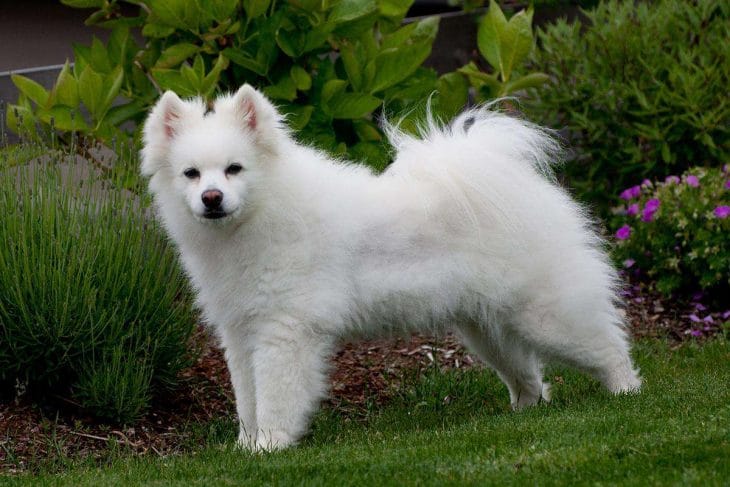
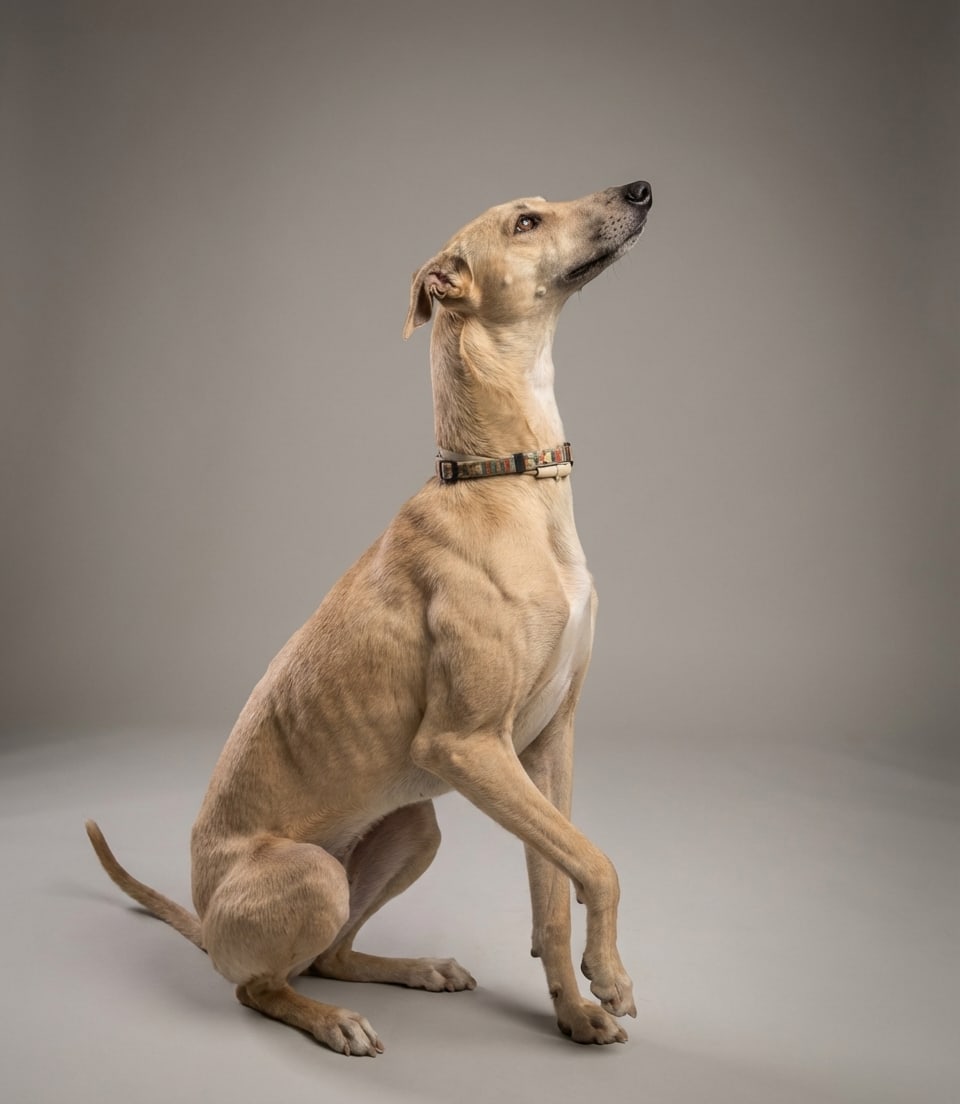
The Hokkaido is a medium-sized dog, known for its athletic build and spitz-type characteristics. Males typically stand at 46-54 cm tall at the withers, while females are slightly shorter at 46-51 cm. They weigh between 20-30 kg for males and 20-26 kg for females. The breed boasts small, triangular, upright ears and rising triangular black eyes. Its most distinctive feature is its thick double coat, which consists of long, stiff fur on the outer layer and a shorter, soft undercoat. The coat colors can vary but commonly include red, white, black, brindle, sesame, black and tan, and wolf-gray. The coat also has a medium shedding level, so owners should be prepared for regular hair maintenance, especially during shedding seasons.
The Hokkaido's coat is highly valued for its texture and color, with standards for show dogs requiring a coat that is well-kept and free from mats or tangles. The breed's color and coat patterns are strictly regulated by kennel clubs, ensuring that the breed's distinct appearance is maintained. The Hokkaido's coat also serves as an adaptation to the cold climate of Hokkaido, providing insulation against the harsh winters.
Temperament and Personality
The Hokkaido is an alert, loyal, and courageous breed with a high level of intelligence. They are known for their independent nature and are often described as devoted companions. This breed is adaptable to various living situations, although their low friendliness level suggests they may not be the best choice for a dog that requires a lot of social interaction. The Hokkaido's temperament makes them excellent working dogs, and their intelligence and trainability make them highly responsive to training and commands. This breed's protective nature is well-suited for roles such as herding and guarding, as they are known to be fiercely loyal to their owners.
Despite their independent nature, Hokkaidos form strong bonds with their families and are known to be protective of their owners. Their life span is typically 11-15 years, offering a long-term commitment for potential owners. The breed's personality is also characterized by a playful and energetic side, making them enjoyable companions for active individuals or families.
Health Considerations
The Hokkaido is prone to Collie eye anomaly (CEA), a condition that affects about 1/3 of the breed. Owners should be aware of this potential health issue and consult with their veterinarian for proper care. Other health concerns may include hip dysplasia, which can be a significant issue in large breeds, and patellar luxation, a common condition in dogs that can lead to lameness if not addressed.
Additionally, the Hokkaido may be susceptible to certain skin conditions, such as seborrhea, which can cause excessive dryness or oiliness of the skin. Owners should be vigilant for signs of skin irritation and seek veterinary advice if necessary.
Breeder Purpose and Adaptability
The Hokkaido was bred for its working abilities, originally used by the Ainu people for hunting large game in the challenging environment of Hokkaido. This breed's purpose is to work, making them excellent choices for individuals or families seeking a working dog. The Hokkaido's adaptability rating is "None," indicating that they may not be the best choice for highly adaptable dogs.
The Hokkaido's working heritage is reflected in their physical structure, which includes a robust body and a strong, sturdy build. This physicality is well-suited for tasks that require endurance and strength, such as search and rescue operations or herding.
Ownership and Care
Training should begin early and be consistent, as the Hokkaido's intelligence and independent nature can make them challenging to train if not properly guided. Positive reinforcement methods are often effective with this breed, as they respond well to rewards and praise. Given the breed's rarity outside of Japan, potential owners may need to search for reputable breeders who prioritize the health and welfare of the dogs.
Final Considerations
- Be prepared for the breed's moderate grooming needs and shedding level, which can be significant during shedding seasons.
- Understand the breed's potential health issues, such as Collie eye anomaly, hip dysplasia, and patellar luxation, and consult with a veterinarian for proper care.
- Consult with a veterinarian for regular health check-ups and to address any specific health concerns that may arise.
- Provide the Hokkaido with early and consistent training, as well as ample exercise and mental stimulation to ensure a well-rounded and contented dog.
- Given the breed's rarity, be prepared to search for reputable breeders who prioritize the health and welfare of the dogs.
Frequently Asked Questions
What is the lifespan of the Hokkaido?
The average lifespan of the Hokkaido is about 11-15 years. Good nutrition and regular veterinary care support a healthy life.
What is the temperament of the Hokkaido?
The Hokkaido is known for: Alert, Loyal, Courageous, Intelligent, Independent, Devoted. Its energy level is moderate.
What size and weight is the Hokkaido?
It is a large dog, typically around Male: 20-30; Female: 20-26 kg as an adult.
Is the Hokkaido easy to care for?
Reliable grooming and shedding ratings are not available. Routine brushing, ear and dental care, and nail trims are still recommended.
Is the Hokkaido good with kids and other pets?
Reliable child- and pet-friendliness ratings are not available. Supervised, gradual introductions are recommended.
How much exercise does the Hokkaido need?
With a moderate energy level, it needs walks, play or training matched to its stamina.
Hokkaido
Trait Scores
N/A