Origin and Historical Background
The Himalayan Sheepdog, also known as the Gaddi Kutta, Bhote Kukur, or Himalayan Mastiff, originates from the rugged terrain of the Himalayas, spanning across the regions of India and Nepal. This ancient breed has been a guardian and companion to shepherds and monasteries for centuries, tracing its roots back to ancient times. The breed's population has experienced a decline due to the diminishing nomadic lifestyles, yet dedicated breeders and enthusiasts continue to preserve and promote it. Recognized by the International Kennel Club under the name bhote kukur, the Himalayan Sheepdog holds a place of significance in canine heritage, as evidenced by its inclusion on a set of postage stamps released by the Indian Ministry of Communications and Information Technology in 2005.
Adapted to high altitudes, this breed has played a crucial role in protecting flocks of yak and sheep from predators, as well as assisting with herding and hunting. The breed's protective instincts are strong, and it has even been observed to compete with snow leopards for food, which has posed ecological challenges in the Himalayas. The breed's historical role as a livestock guardian is well-documented, with references to its use in the 16th century by the Gaddi people of the Garhwal region in India.
Despite its ancient origins and traditional roles, the Himalayan Sheepdog has not been widely recognized outside its native region until recent times. Its resilience and loyalty have made it a valuable companion in the harsh conditions of the Himalayas, where the breed has been a symbol of strength and reliability.
Physical Description
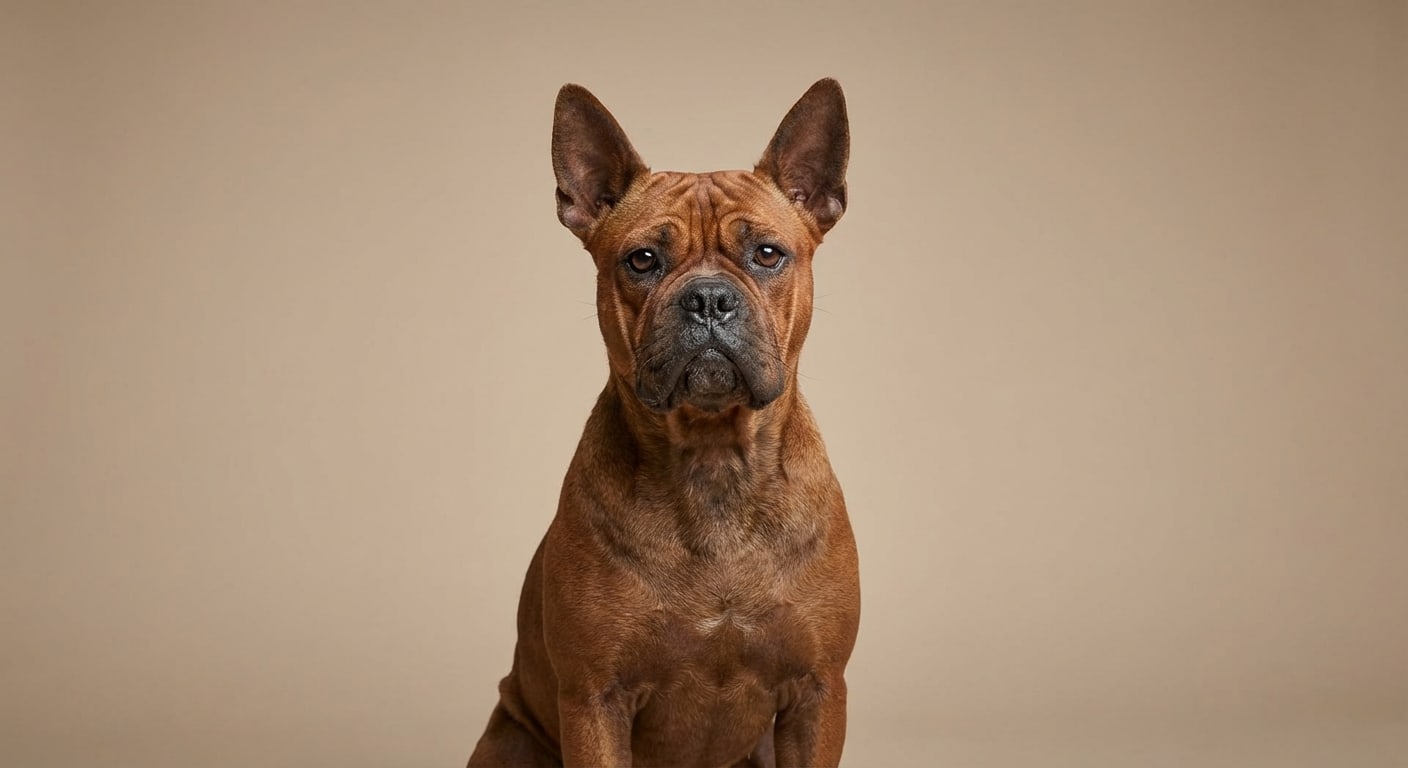
With a size classification of large, the Himalayan Sheepdog boasts a medium-length double coat, which is typically harsh and thick. This breed is often seen in black and tan or solid black coloration, with some white markings on the toes, chest, and neck. Its small, drooped ears and heavily plumed tail, which is curled over its back, add to its distinctive appearance. The breed's deep bark is another notable feature, making it an effective guardian and alarm system.
Measuring between 71-86 cm in height for males and 66-81 cm for females, the Himalayan Sheepdog has a robust and sturdy build, reflecting its role as a livestock guardian. The breed's weight ranges from 41-64 kg for males and 36-54 kg for females, further emphasizing its strength and resilience. The breed's physical characteristics are a result of its selective breeding for specific traits, such as strength, agility, and a thick coat to protect against the harsh Himalayan climate.
Another subtype, resembling a larger, longer-haired black Labrador Retriever, is found in the Chamba region. This variant, known as the Chamba Kukur, is distinct due to its coat and size, which can reach up to 90 cm in height. In Bhutan, there is a larger variant known as the bhutia sheepdog, which is even larger than the standard Himalayan Sheepdog and has a similar role in protecting livestock.
Temperament and Personality
The Himalayan Sheepdog is known for its protective and loyal nature, making it an excellent choice for a livestock guardian. This breed is intelligent and alert, with a strong sense of independence. Its courage and alertness make it a formidable presence, deterring potential threats to the flock or property it guards. The breed's temperament is a result of its historical role as a guardian, where it needed to be alert and vigilant.
Despite its protective instincts, the Himalayan Sheepdog is not overly aggressive towards people. This breed requires a confident and experienced handler who can provide consistent leadership and training.
Intelligent and trainable, the Himalayan Sheepdog responds well to positive reinforcement and reward-based training methods. This approach is particularly effective in harnessing the breed's protective instincts and turning them into a positive force, such as in search and rescue operations.
Health and Genetic Considerations
Given its high altitude origins, the Himalayan Sheepdog may be more susceptible to conditions related to high altitudes, such as respiratory issues. This breed may also be prone to certain genetic disorders, including hip dysplasia, elbow dysplasia, and patellar luxation, which are common in large breeds.
Responsible breeders conduct health screenings on their dogs to minimize the risk of genetic diseases and ensure the well-being of the breed.
Lifestyle and Compatibility
This breed requires a secure and enclosed environment to prevent it from chasing after wildlife or running away. Its size and strength make it an excellent choice for large properties or farms, where it can fulfill its role as a guardian and protector.
However, the Himalayan Sheepdog may not be the best fit for first-time dog owners due to its protective instincts and need for consistent leadership.
Given its energy level and protective nature, the Himalayan Sheepdog may not be the ideal choice for apartment living.
Buyer's Checklist
- Be prepared for a large and powerful dog that requires consistent leadership and training.
- Look for a reputable breeder who can provide health clearances and ensure the dog's temperament and temperament.
- Consider the breed's protective instincts and ensure your property is secure and enclosed.
Cost and Maintenance
Ongoing costs include veterinary care, grooming, food, and other supplies.
Given its protective nature, insurance may be a consideration to cover potential liabilities associated with the breed's guarding behavior. Responsible ownership also includes ensuring the dog is licensed, especially if living in an area where it can be a public liability.
Frequently Asked Questions
What is the lifespan of the Himalayan Sheepdog?
The average lifespan of the Himalayan Sheepdog is about 10-13 years. Good nutrition and regular veterinary care support a healthy life.
What is the temperament of the Himalayan Sheepdog?
The Himalayan Sheepdog is known for: Protective, Loyal, Independent, Intelligent, Alert, Courageous. Its energy level is moderate.
What size and weight is the Himalayan Sheepdog?
It is a large dog, typically around Male: 41-64; Female: 36-54 kg as an adult.
Is the Himalayan Sheepdog easy to care for?
Reliable grooming and shedding ratings are not available. Routine brushing, ear and dental care, and nail trims are still recommended.
Is the Himalayan Sheepdog good with kids and other pets?
Reliable child- and pet-friendliness ratings are not available. Supervised, gradual introductions are recommended.
How much exercise does the Himalayan Sheepdog need?
With a moderate energy level, it needs walks, play or training matched to its stamina.
Himalayan Sheepdog
Trait Scores
N/A