Origin and Historical Background
The Harrier, a medium-sized hound breed, originated in England and has been in use since the mid-13th century. It was developed for pack hunting hare, resembling a smaller English Foxhound but with a sturdy build. The breed was instrumental in the development of fox hunting in the 18th and 19th centuries.
Historical accounts suggest that the Harrier was created through crossings with Bloodhounds, the Talbot Hound, and even the Basset Hound. Another theory posits that the breed evolved from the English Foxhound mixed with the Fox Terrier and Greyhound. By the Victorian era, the Harrier was recognized by the Kennel Club Studbook in 1874, marking the beginning of formal breed standards.
However, the breed faced a significant decline during and after the World Wars, with many privately owned packs disbanded. The Harrier nearly disappeared outside the hunting community, but enthusiasts in France and the US helped to maintain the breed. The UK Kennel Club recognized the Harrier again in January 2020, leading to a resurgence in the breed's popularity. This recognition was a pivotal moment for the breed, ensuring its survival and growth.
Appearance
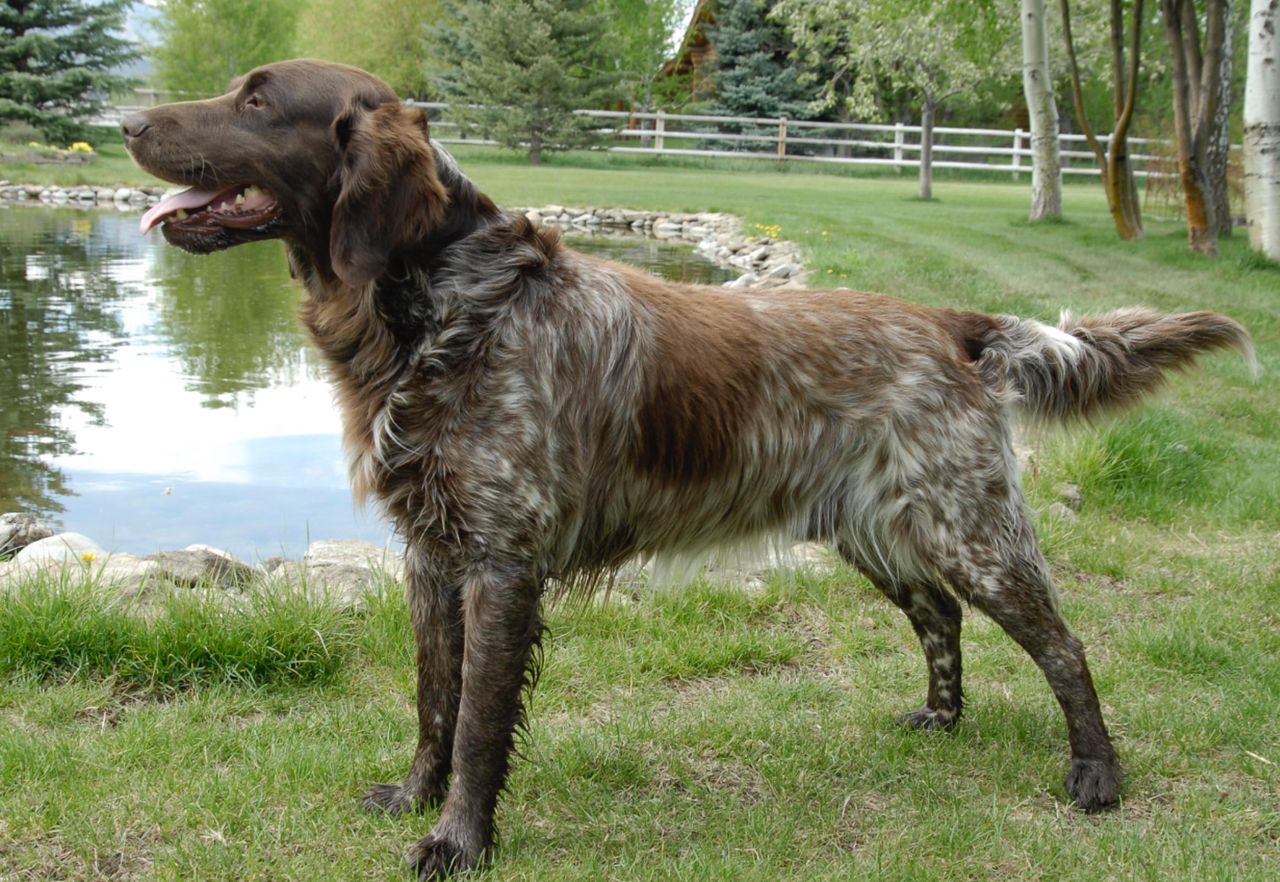
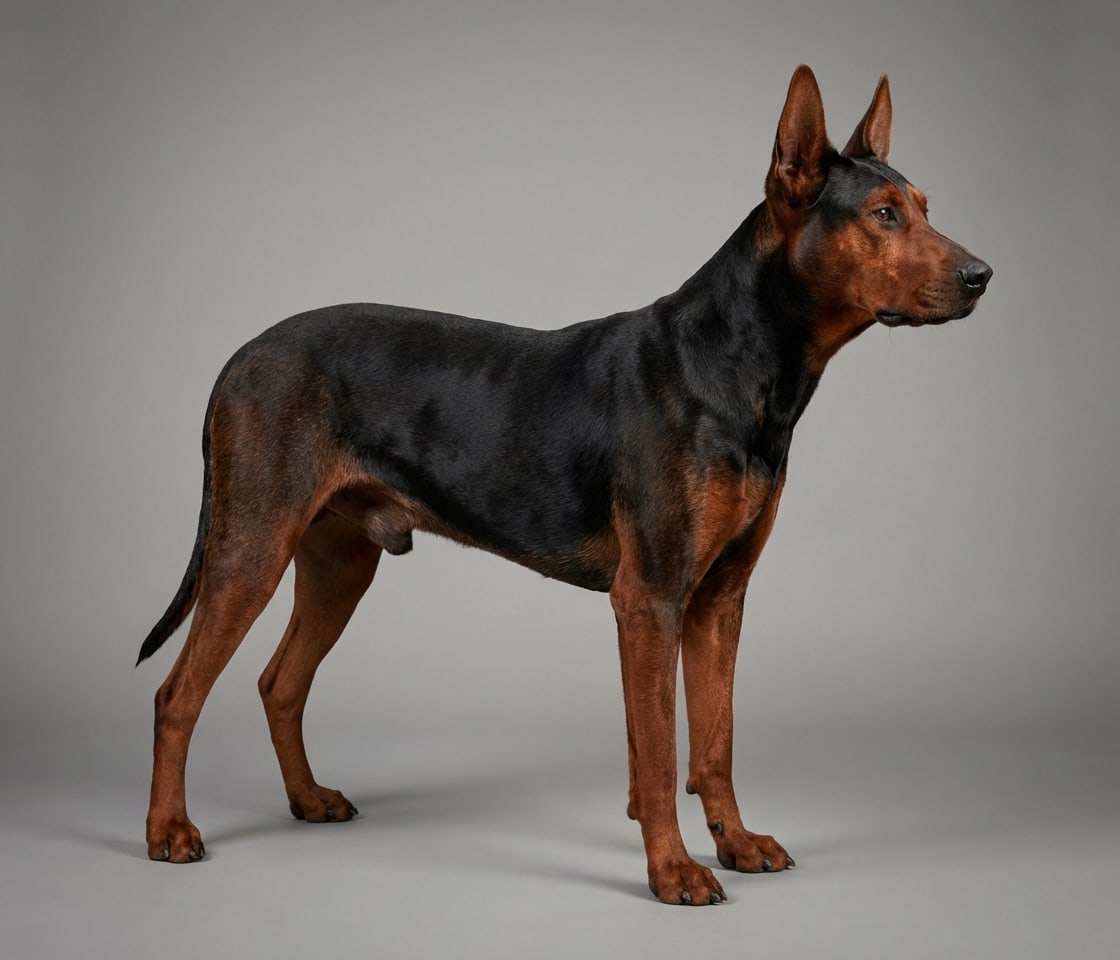
The Harrier stands at a height of 48 to 53 cm at the shoulder and weighs between 20 to 27 kg. They have a short, dense coat that comes in various color patterns, including liver and white, black and white, and red and white. Despite their size, Harriers have a muscular build, large bones for stamina, and a slightly longer body than height, which contributes to their agility and endurance.
Characteristics include a broad skull, a strong square muzzle, pendant ears, and eyes that are either brown or hazel. The wide nose is black, and the teeth should meet in a scissors or level bite. Their feet are tight and cat-like, with front toes that may turn inward, which is a distinctive trait of the breed. Harriers have a level topline and a medium-length tail carried high, though it is not curled over the back. This breed is known for its mellow expression when relaxed and an alert demeanor when excited, making them excellent hunting companions.
Temperament and Behavior
The Harrier is known for its friendly, outgoing, and energetic temperament. They are gentle and excellent with children, making them a suitable family pet. This pack dog is also good with other dogs but should be supervised with non-canine pets unless raised with them from puppyhood. Their social nature and desire to be part of a pack make them highly adaptable to various family dynamics.
This breed requires daily exercise to prevent hyperactivity, overweight, and destructive behavior. Their natural instincts to run and work all day long mean they cannot be satisfied with a sedentary lifestyle.
Health Considerations
The Harrier typically has a lifespan of 12 to 15 years. However, hip dysplasia is a known health issue in this breed, which can affect their mobility and comfort. Other health concerns may include epilepsy, otitis externa, and certain hereditary eye diseases.
Owners should be aware of the signs and symptoms of bloat and take preventive measures, such as feeding smaller, more frequent meals and avoiding exercise immediately after eating.
Care and Maintenance
Caring for a Harrier involves occasional brushing of their short, dense coat to remove dead hair and prevent mats.
They adapt well to the average home but need a lifestyle that allows for their high energy levels. Harriers are known for their loyalty and bond with their owners, which requires a commitment to their overall care.
Exercise Requirements
The Harrier requires daily exercise, such as long, vigorous walks or runs. Without adequate exercise, this breed can become hyperactive, overweight, and potentially destructive. Their natural instincts for running and working require an active lifestyle that allows them to express their energy.
Given their high energy levels, Harriers benefit from activities that challenge their minds and bodies, such as agility training, flyball, or other dog sports.
History and Popularity
The Harrier has a long history as a popular working pack-dog in England, used primarily for hunting hares. The breed's popularity as a hunting dog extended to fox hunting, though it is most known for hare hunting. Their agility, stamina, and hunting instincts made them highly valued by hunters.
Despite facing a decline in numbers during the 20th century, the Harrier has seen a resurgence in popularity. In 2022, there were over 50 purebred Harriers registered with the UK Kennel Club, and the breed has gained recognition at international dog shows.
Today, the Harrier is valued not only for its historical significance but also for its adaptability to various lifestyles, including those of active families and individuals who appreciate a high-energy, intelligent, and friendly companion. Their natural hunting instincts have been channeled into other activities, making them versatile pets for different environments.
Buying a Harrier: A Practical Checklist
- Research reputable breeders to ensure the health and temperament of the puppy.
- Check for hip dysplasia and other potential health issues with a veterinarian.
- Ensure the puppy has received appropriate vaccinations and deworming.
- Be prepared for the commitment of a 12-15 year lifespan and the associated care and expenses.
- Understand the Harrier's high energy levels and their need for a pack environment to provide a suitable home for this breed.
- Consider the breed's specific dietary needs and exercise requirements to ensure a balanced lifestyle.
Understanding the Harrier's high energy levels and their need for a pack environment will help potential owners provide a suitable home for this breed. Responsible ownership involves not only providing a loving home but also ensuring the physical and emotional well-being of the Harrier throughout their life.
Frequently Asked Questions
What is the lifespan of the Harrier?
The average lifespan of the Harrier is about 12-15 years. Good nutrition and regular veterinary care support a healthy life.
What is the temperament of the Harrier?
The Harrier is known for: Friendly, Outgoing, Energetic, Intelligent, Gentle. Its energy level is high.
What size and weight is the Harrier?
It is a large dog, typically around 20-27 kg as an adult.
Is the Harrier easy to care for?
Reliable grooming and shedding ratings are not available. Routine brushing, ear and dental care, and nail trims are still recommended.
Is the Harrier good with kids and other pets?
Reliable child- and pet-friendliness ratings are not available. Supervised, gradual introductions are recommended.
How much exercise does the Harrier need?
With a high energy level, it needs walks, play or training matched to its stamina.
Harrier
Trait Scores
N/A