Origin and History
The Gull Terrier, also known as the Gull Terr, is a rare breed with origins tracing back to the Punjab region of Pakistan and India, believed to be several hundred years old. This breed has a rich history, deeply rooted in the region's culture and traditions.
During the British Raj in India, Bull Terriers were introduced to the northwestern Indian subcontinent, which includes modern-day Pakistan. The Bull Terrier Club of India was established in Calcutta in 1897, reflecting the breed's popularity. Gull Terriers were developed through crosses between the Bull Terriers and local breeds such as the Bully Kutta, a breed indigenous to the Indian subcontinent that is known for its strength and loyalty.
Initially, Gull Terriers were used in activities like bull baiting and dog fighting, which were introduced by the British to the Indian subcontinent. These activities became illegal across the Empire by the mid-19th century, and Gull Terriers transitioned to become guard dogs, utilizing their strength and tenacity in protecting their owners and territory. Notable figures such as Sir William James Broadwood, who served as the president of the Bull Terrier Club of India, played a role in shaping the breed during this time.
Following the abolition of dog fighting and bull baiting, Gull Terriers became more recognized for their protective abilities and were sought after by police forces and as personal guardians. Their distinctive appearance and loyal nature contributed to their growing popularity.
Physical Description
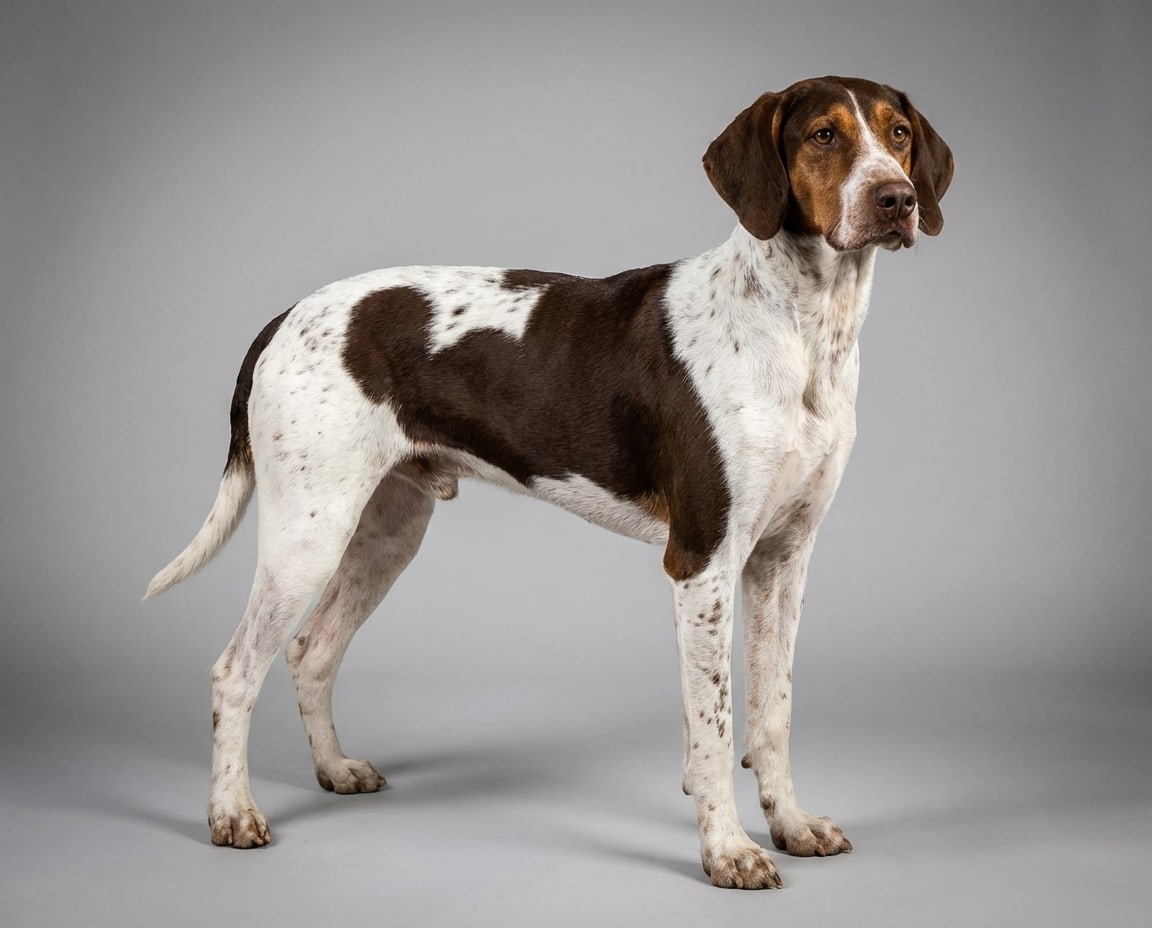
The Gull Terrier is a medium-sized dog, known for its tall and broad-chested build. Males typically weigh between 25-30 kg (55-66 lbs), while females range from 22-27 kg (48-60 lbs). Their height is generally between 46-56 cm (18-22 inches) for males and 43-53 cm (17-21 inches) for females.
These dogs have large erect ears and a distinctive coat, predominantly white in color, although they may have dark-colored markings on their faces, eyes, ears, legs, and tails, known as "masks," "bears," and "stockings. " Their coat is short and smooth, resembling that of the Staffordshire Bull Terrier, another breed that played a significant role in their development. The Staffordshire Bull Terrier has been recognized by the American Kennel Club (AKC) since 1935, influencing the Gull Terrier's coat texture and appearance.
Old photographs of the English Bull Terrier show many of the same features, such as pointy ears and a long muzzle, which are also present in the Gull Terrier, highlighting their direct descent from the Bull Terrier breed. The Bull Terrier itself has a rich history, being first recorded in the early 19th century and later recognized by the English Kennel Club in 1903.
Temperament and Behavior
The Gull Terrier is known for its loyal and protective nature, making them excellent guard dogs. They are wary of strangers and will alert their owners to any potential threats, which is a characteristic that can be traced back to their historical role as guard dogs. Their temperament is characterized by courage, intelligence, and alertness, traits that have been refined through selective breeding for specific purposes.
Despite their strong guarding instincts, Gull Terriers can be energetic and independent, requiring a confident handler who can provide them with adequate exercise and mental stimulation. Their intelligence makes them highly trainable, which is beneficial for both their owners and their role as guard dogs. Training should be firm yet fair to maintain their respect for the owner.
These dogs are often described as having a "terrier attitude," which can manifest as a strong-willed nature and a propensity for digging or barking.
Health and Genetic Considerations
Given their history and genetic makeup, Gull Terriers may be susceptible to conditions common in their parent breeds, such as those related to the musculoskeletal system, skin issues, or dental problems. One such condition is Hip Dysplasia, which is a common concern in large breeds and can lead to lameness or arthritis in later life.
Other health issues that may affect Gull Terriers include Patellar Luxation, a condition where the kneecap slides out of place, and Entropion, which involves the inward rolling of the eyelid.
Lifestyle and Care
Due to their high energy levels, Gull Terriers require a significant amount of daily exercise to maintain their physical and mental well-being. This exercise can include brisk walks, runs, or playtime in a secure area.
Regular brushing can help manage shedding and keep the coat healthy. They are a breed that sheds year-round and can shed heavily during seasonal changes, so more frequent grooming may be necessary at these times. Their teeth may require regular cleaning to prevent dental issues, such as tartar buildup or periodontal disease, which can be painful and costly to treat.
Adaptability and Living Conditions
While Gull Terriers can adapt to various living conditions, they do best in homes with an active lifestyle and owners who can provide them with the necessary exercise and mental stimulation. They may not be the ideal choice for those living in apartments or smaller living spaces without access to a yard for exercise, as they have a high need for physical activity and space to roam.
Therefore, they may be better suited for families or individuals who can provide them with the attention and leadership they need. Their strong guarding instincts mean that they may be protective with young children and could inadvertently become overly aggressive if not properly socialized from an early age.
Given their territorial nature, Gull Terriers may also benefit from early exposure to different people, animals, and environments to ensure they grow into well-rounded and adaptable pets.
Cost and Ownership Considerations
Routine veterinary care, including vaccinations, preventative medications, and regular health check-ups, can add to the ongoing costs of owning a Gull Terrier. Preventive care can help identify and manage potential health issues early, potentially saving money in the long run.
Frequently Asked Questions
What is the lifespan of the Gull Terrier?
The average lifespan of the Gull Terrier is about 10-14 years. Good nutrition and regular veterinary care support a healthy life.
What is the temperament of the Gull Terrier?
The Gull Terrier is known for: Loyal, Courageous, Intelligent, Protective, Independent, Energetic, Alert. Its energy level is high.
What size and weight is the Gull Terrier?
It is a large dog, typically around Male: 25-30; Female: 22-27 kg as an adult.
Is the Gull Terrier easy to care for?
Reliable grooming and shedding ratings are not available. Routine brushing, ear and dental care, and nail trims are still recommended.
Is the Gull Terrier good with kids and other pets?
Reliable child- and pet-friendliness ratings are not available. Supervised, gradual introductions are recommended.
How much exercise does the Gull Terrier need?
With a high energy level, it needs walks, play or training matched to its stamina.
Gull Terrier
Trait Scores
N/A