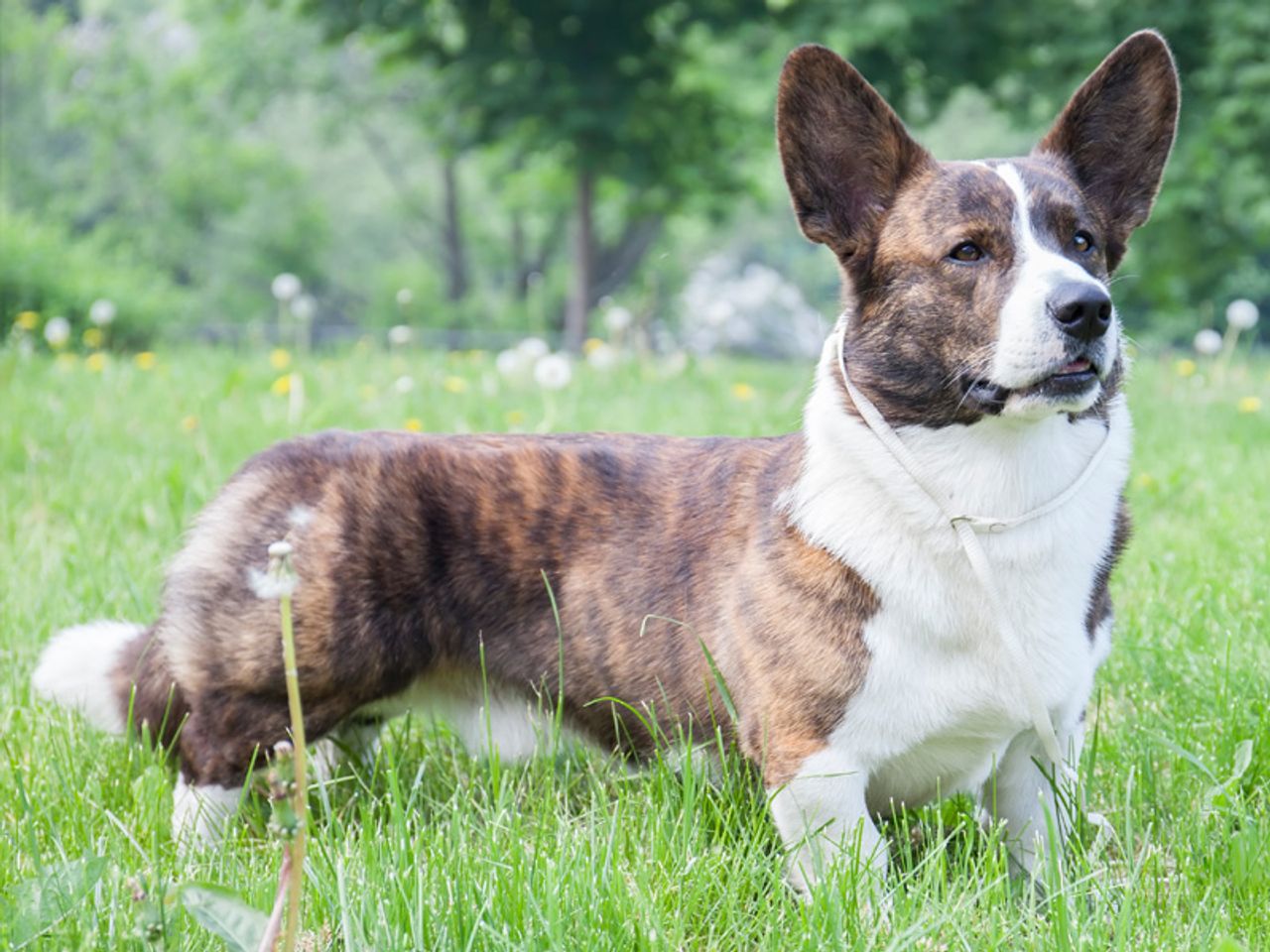
Origin and Historical Significance
The Greyhound, an ancient breed with origins tracing back to Ancient Egypt and the Middle East, has been a symbol of elegance and nobility in Western literature, heraldry, and art. Its true origin remains uncertain, but evidence from Çatalhöyük in Turkey and rock art in Tassili suggests the breed is one of the oldest dog breeds, with skeletal remains dating back approximately 4,000 years. The Greyhound's association with the ruling class in England, France, and the Czech lands during the Middle Ages highlights its prestigious status.
Historical literature, such as Arrian's work on the vertragus, suggests the Greyhound's origin may lie with the Celts from Eastern Europe or Eurasia. The Vindolanda tablets from the early Roman occupation of Britain provide evidence of the vertragus and its hunting use. The breed's development into a distinct sighthound type continued through the 8th to 9th centuries AD, with the discovery of "gracile" bones at the Chotěbuz fort in the Czech Republic, which were genetically compared to the modern Greyhound and found to be almost completely identical.
Modern pedigrees trace back to Greyhound stock recorded in private studbooks in the 18th century and later in public studbooks in the 19th century. These sighthounds were primarily used for hunting in the open, where their pursuit speed and keen eyesight were essential. The Greyhound's historical fame and definition have been redefined in recent years by the professional racing industry and international adoption programs, transforming the breed into a sporting dog that provides friendly companionship in retirement.
Physical Description
The Greyhound is characterized by its tall, muscular, smooth-coated build, long tail, tough feet, and distinctive "S-shaped" outline typical of sighthounds. Males typically stand at 71 to 76 centimeters (28 to 30 inches) tall at the withers and weigh between 27 and 40 kilograms (60 to 88 pounds). Females are generally smaller, with shoulder heights ranging from 66 to 71 centimeters (26 to 28 inches) and weights from 25 to 34 kilograms (55 to 75 pounds). The breed has a dolichocephalic skull, with a relatively long skull compared to its breadth, and an elongated muzzle.
Greyhounds have very short fur, which is easy to maintain, and come in approximately 30 recognized color forms. Variations of white, brindle, fawn (pale tan to dark deer-red), black, red, and blue (gray) can appear uniquely or in combination. Their gentle temperament and calm nature often lead to the nickname "45-mph couch potato," reflecting their incredible athleticism combined with a relaxed demeanor.
Despite their sleek appearance, Greyhounds are prone to certain health conditions. A 2024 UK study found a life expectancy of 11.5 years for the breed, which is lower than the average for purebreeds. A 2005 Swedish study of insurance data found that 60% of Greyhounds die by the age of 10, higher than the overall rate of 35% of dogs dying by the age of 10.
Temperament and Behavior
However, children should be taught to treat the dog with politeness and respect to ensure a harmonious relationship. The breed's sensitive nature responds well to gentle commands and training methods.
While Greyhounds are generally not barkers, they can occasionally bark and are friendly to strangers, which is beneficial in suburban environments. A 2008 University of Pennsylvania study found that Greyhounds are one of the least aggressive dog breeds towards strangers, owners, and other dogs. However, they can be prone to sleep startle/sleep aggression if suddenly disturbed while napping, which owners should be aware of.
Greyhounds have a strong prey drive, which can lead to chasing small animals, including cats. This behavior, combined with their strong running instincts, makes it crucial for Greyhounds to remain leashed at all times unless in a fully secure and fenced area. Some jurisdictions, such as Victoria and Western Australia, mandate leashes for Greyhounds when outdoors to ensure their safety and the safety of others.
Companion and Pet Potential
Historically, Greyhounds have been esteemed as companions and hunters, and their modern reputation as friendly and affectionate pets is well-deserved. They tend to be outgoing, happy, and sociable with people, often following their owners from room to room at home. This sociability, combined with their gentle nature, makes Greyhounds excellent companions for active and inactive households alike.
Greyhounds have a low energy level, which is reflected in their reputation as a "45-mph couch potato. " They do not require excessive exercise but enjoy regular walks and playtime. Their moderate shedding and easy-to-maintain coat make them suitable for those with allergies, although they do not have an undercoat and are more susceptible to extreme temperatures, necessitating indoor housing.
Adopting a Greyhound can be a rewarding experience. A survey of those adopting rescue Greyhounds found higher short-term adoption success than shelters, with reported hyperactivity levels below that of shelter dogs. This suggests that Greyhounds can adapt well to new homes and are often eager to please their owners.
Health and Genetics
The Greyhound's unique physiology and anatomy contribute to its remarkable speed and agility. Their light but muscular build, large heart, and high percentage of oxidative–glycolytic fast twitch muscle fibers (Type IIa) enable them to reach peak speeds of at least 69 km/h (43 mph). However, this speed also makes them susceptible to certain health issues.
Greyhounds are prone to delayed haemorrhage following trauma or routine surgery, with one study reporting significant haemorrhage in 26% of Greyhounds following routine gonadectomy, compared to 0-2% in other dog breeds. This condition, known as Greyhound fibrinolytic syndrome or breed-associated hyperfibrinolysis, can result in delayed bleeding and requires careful management during surgical procedures.
Greyhounds are sensitive to insecticides, and many vets do not recommend the use of pyrethrin-based flea collars or flea spray. However, products like Advantage, Frontline, Lufenuron, and Amitraz are safe for use on Greyhounds and effective in controlling fleas and ticks. Their higher levels of red blood cells and lower levels of platelets make them more susceptible to delayed haemorrhage following trauma or surgery.
Thyroxine levels in Greyhounds are below the normal reference range for dogs, which can impact testing for thyroid disease. However, this condition is not a concern for health.
Sport and Racing
The Greyhound's exceptional speed and hunting instincts have made it a popular breed in organized coursing and greyhound racing. Historically, Greyhounds were used for hunting game by sight and speed, and this has evolved into competitive coursing and greyhound racing. Some Greyhounds continue to be used for coursing and related activities, including lure coursing.
Modern greyhound racing began in the 1920s, with the first race held in England in 1926. The sport has gained popularity in several countries, including the United States and parts of the United Kingdom and Ireland. Greyhound racing has also contributed to the breed's redefinition as a sporting dog that provides friendly companionship in retirement.
Greyhounds with racing bloodlines may have a strong prey drive and running instincts, which can be channeled into other activities such as agility or obedience training.
Buying a Greyhound: A Practical Checklist
- Research the breed's history and temperament to ensure it aligns with your lifestyle.
- Visit reputable breeders or adoption agencies to find a healthy and well-socialized Greyhound.
- Ensure your home and yard are secure, as Greyhounds have a strong running instinct and can be prone to chasing small animals.
- Be patient and consistent with training, as Greyhounds respond well to gentle and positive reinforcement.
Buying a Greyhound is a commitment that requires careful consideration. By following this checklist and providing proper care, you can ensure a happy and fulfilling life for both you and your Greyhound companion.
Frequently Asked Questions
What is the lifespan of the Greyhound?
The average lifespan of the Greyhound is about 10-13 years. Good nutrition and regular veterinary care support a healthy life.
What is the temperament of the Greyhound?
The Greyhound is known for: Gentle, Calm, Intelligent, Affectionate, Independent. Its energy level is low.
What size and weight is the Greyhound?
It is a large dog, typically around Male: 29-32; Female: 27-29 kg as an adult.
Is the Greyhound easy to care for?
Reliable grooming and shedding ratings are not available. Routine brushing, ear and dental care, and nail trims are still recommended.
Is the Greyhound good with kids and other pets?
Reliable child- and pet-friendliness ratings are not available. Supervised, gradual introductions are recommended.
How much exercise does the Greyhound need?
With a low energy level, it needs walks, play or training matched to its stamina.
Greyhound
Trait Scores
N/A