Origins and Historical Background
The Greek Shepherd, known as the Ellinikós Pimenikós in Greek, is an ancient breed with origins traceable to the mountainous regions of Greece. Its roots date back to at least 800 BC, as evidenced by writings of Plato, who mentioned dogs of similar form and function in the region of Epirus. The breed has been closely associated with livestock guardian roles and is believed to be one of the oldest distinct dog types, with minimal change in the breed over time.
The Greek Shepherd's historical role includes protecting flocks from predators such as wolves and jackals. This is especially relevant during seasonal migrations between Greece and the Šar Mountains, where shepherds and their flocks would move in search of suitable pastures, a practice that reached its peak in 1977 with an estimated 500,000 sheep undertaking the journey. The breed's adaptability to such harsh conditions and its loyalty to flocks have been key to its survival and popularity among Greek shepherds.
The Greek Shepherd is not just a single breed but encompasses multiple variations, including the Molossus of Epirus, recognized by the Kennel Club of Greece. This second breed shares similar characteristics but with distinct color variations, reflecting the diverse terrain and climates of Greece. The Molossus of Epirus is often noted for its larger size and more robust build, which are advantageous for the rigorous demands of mountainous terrain.
Appearance and Physical Traits
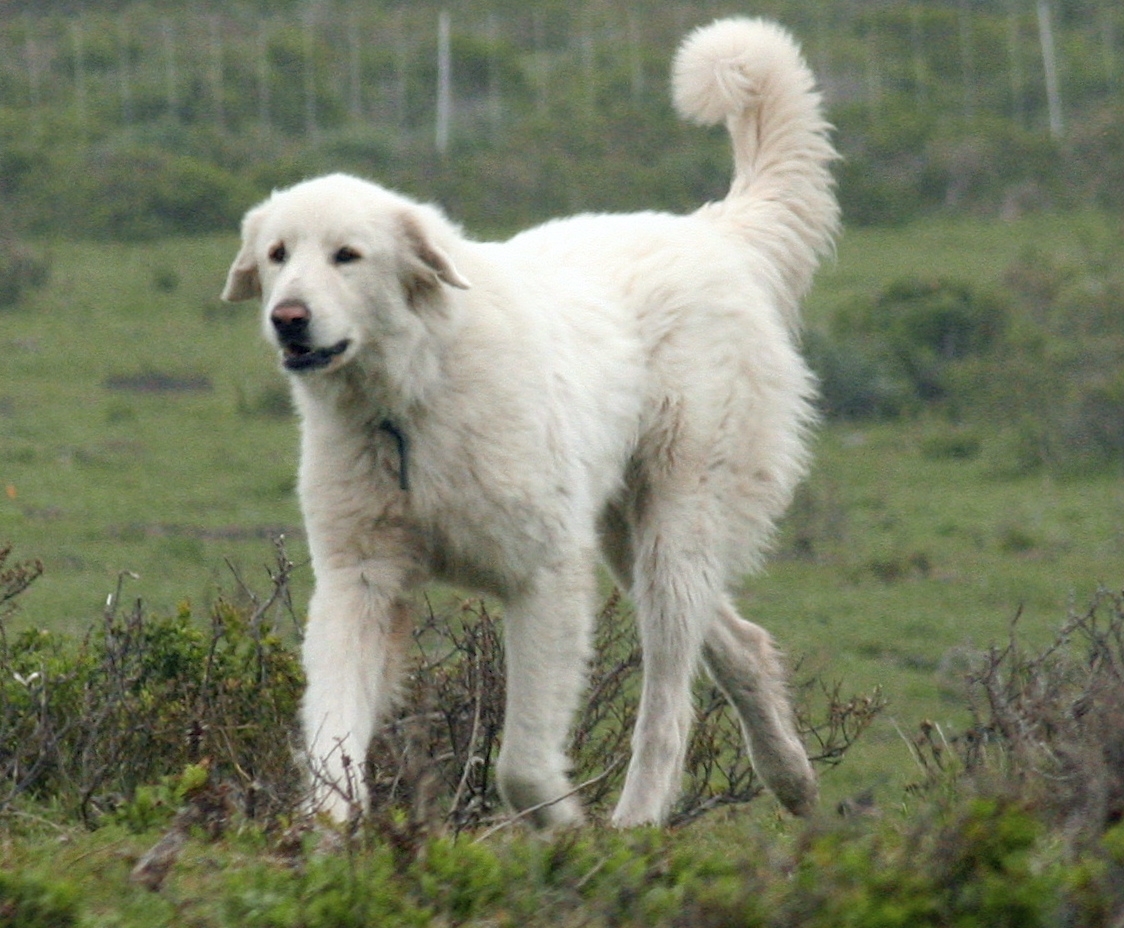
The Greek Shepherd is a large, robust breed with a powerful build. Males typically stand between 63-75 cm at the shoulder, weighing 40-55 kg, while females are slightly smaller at 58-68 cm and 32-50 kg. The breed has a dense, weatherproof double-coat, which can come in various colors such as white, black, brown, light brown, and combinations of these, with spotted coats being common. The color variations are not only a result of genetic diversity but also reflect the breed's adaptation to different regions and environments across Greece.
In certain regions, Greek shepherds historically cropped the right ear of their dogs to enhance hearing, giving the dogs a distinctive, lopsided appearance. This practice, while no longer common, has left a lasting visual marker of the breed's history and the close relationship between the breed and its human handlers.
The breed's size and strength are well-suited for its primary function as a livestock guardian, and the Kennel Club of Greece's breed standard specifies that dogs should stand over 66 cm at the withers, with bitches over 60 cm, reflecting the breed's powerful structure.
Temperament and Behavior
Despite its independent nature, the Greek Shepherd is highly protective of its flock. The breed is known for its courage and calmness, traits that have been honed over centuries of guarding. The breed's protective instincts are strong, sometimes extending beyond their immediate flock to include the protection of the entire countryside. This can make the Greek Shepherd a valuable asset in rural areas where the threat of predators is a constant concern.
While not as affectionate or adaptable as some other breeds, the Greek Shepherd's loyalty is unwavering. Its independent nature can make it less willing to please during training, requiring a firm and consistent approach from owners.
The breed's protective instincts can also manifest in a less friendly manner towards strangers and other dogs, necessitating careful socialization from a young age. Despite this, the Greek Shepherd can form strong bonds with its family, especially when they understand their role as part of a larger livestock guarding team. This aspect of the breed's temperament requires a careful balance between maintaining its protective instincts and ensuring a harmonious coexistence with humans and other animals.
Life Span and Health Considerations
The Greek Shepherd typically has a life span of 10-12 years, a standard longevity for large dog breeds. However, certain health issues can affect the breed, such as hip dysplasia, which is a common concern in large breeds and can lead to mobility issues if not properly managed. Owners should be vigilant for signs of this condition and work with their veterinarian to monitor and manage it.
Given the breed's strong and muscular build, owners should be aware of potential health issues related to this, such as joint problems like elbow dysplasia and degenerative myelopathy.
Owners should also be mindful of the potential for shedding, especially during seasonal changes, and be prepared to clean up accordingly.
Breeding and Recognition
The Greek Shepherd is a breed recognized by the Kennel Club of Greece, reflecting its acceptance and standardization within the country. However, due to its ancient and somewhat nomadic history, the breed is less commonly recognized internationally, leading to some variations in appearance and characteristics across different regions and lineages. This lack of international recognition can also affect the breed's status in global dog shows and registries.
Breeding practices for the Greek Shepherd focus on maintaining its working traits and natural guarding instincts. This means prioritizing individuals with a strong temperament, physical fitness, and the ability to live in rural environments. Breeders often select for dogs that exhibit the qualities necessary for effective livestock guarding, such as a keen sense of smell, a loud bark, and a confident, yet not aggressive, demeanor.
The breed's less than widespread recognition also means that owners seeking a Greek Shepherd may need to be patient, as there may be a limited supply and higher demand, particularly in regions where the breed is more established. This can also lead to a higher cost for these dogs, as demand often drives prices up.
Living with a Greek Shepherd
Living with a Greek Shepherd requires a deep understanding of the breed's history, temperament, and physical needs. Given its size, the breed requires ample space to move and roam, ideally with access to a securely fenced yard to exercise and explore.
Due to the breed's protective nature, owners should be prepared to engage in extensive socialization from an early age to manage the potential for aggression towards strangers and other dogs. This socialization should include exposure to various people, animals, and environments to help the dog become well-rounded and less likely to exhibit aggressive behavior.
The breed's loyalty and dedication make it a great companion for those willing to invest the time and effort to properly care for this unique and historic breed. Owners should be prepared for a long-term commitment, as the Greek Shepherd can live up to 12 years and requires ongoing care, training, and attention to maintain its health and happiness.
Buying Checklist
- Ensure the puppy comes from a reputable breeder who is knowledgeable about the breed's history and health considerations.
- Check for the presence of a solid double-coat, indicating good health and a proper breeding line.
- Ensure the puppy has received adequate veterinary care, including vaccinations and deworming.
- Ask for a health guarantee from the breeder, which should cover common health issues associated with the breed.
- Consider the breed's high energy levels and need for exercise when choosing a home, ensuring there is enough space for the dog to run and play.
Frequently Asked Questions
What is the lifespan of the Greek Shepherd?
The average lifespan of the Greek Shepherd is about 10-12 years. Good nutrition and regular veterinary care support a healthy life.
What is the temperament of the Greek Shepherd?
The Greek Shepherd is known for: Protective, Independent, Loyal, Courageous, Calm. Its energy level is low.
What size and weight is the Greek Shepherd?
It is a large dog, typically around Male: 40-55; Female: 32-50 kg as an adult.
Is the Greek Shepherd easy to care for?
Reliable grooming and shedding ratings are not available. Routine brushing, ear and dental care, and nail trims are still recommended.
Is the Greek Shepherd good with kids and other pets?
Reliable child- and pet-friendliness ratings are not available. Supervised, gradual introductions are recommended.
How much exercise does the Greek Shepherd need?
With a low energy level, it needs walks, play or training matched to its stamina.
Greek Shepherd
Trait Scores
N/A