Origins and Development
The Grand Anglo-Français Blanc et Orange, also known as the Great Anglo-French White and Orange Hound, has its roots in France. This breed emerged in the late 1800s as a result of crossing the French scenthound with English (Anglo) foxhounds. The term "Anglo-Français" was officially adopted in 1957, signifying its unique blend of French and English heritage. It is one of the Anglo-French hound breeds, which originated in France and are known for their excellent hunting abilities.
The name "Grand" does not specifically denote size but rather indicates a pack used for larger game, such as roe deer, boar, or smaller animals like foxes. The breed is recognized in France by the Société Centrale Canine and internationally by the Fédération Cynologique Internationale in Group 6, Scenthounds. The breed's development was influenced by historical figures such as Jules Verne, who owned a Grand Anglo-Français Blanc et Orange and featured the breed in his works.
Outside of France, the breed has been exported to North America, where it is recognized by the United Kennel Club in its Scenthound Group. It is also registered by minor kennel clubs and internet dog registry businesses, promoting it as a rare breed. The breed's registry history dates back to the early 20th century, with the first official registry established in France in 1907.
Physical Characteristics
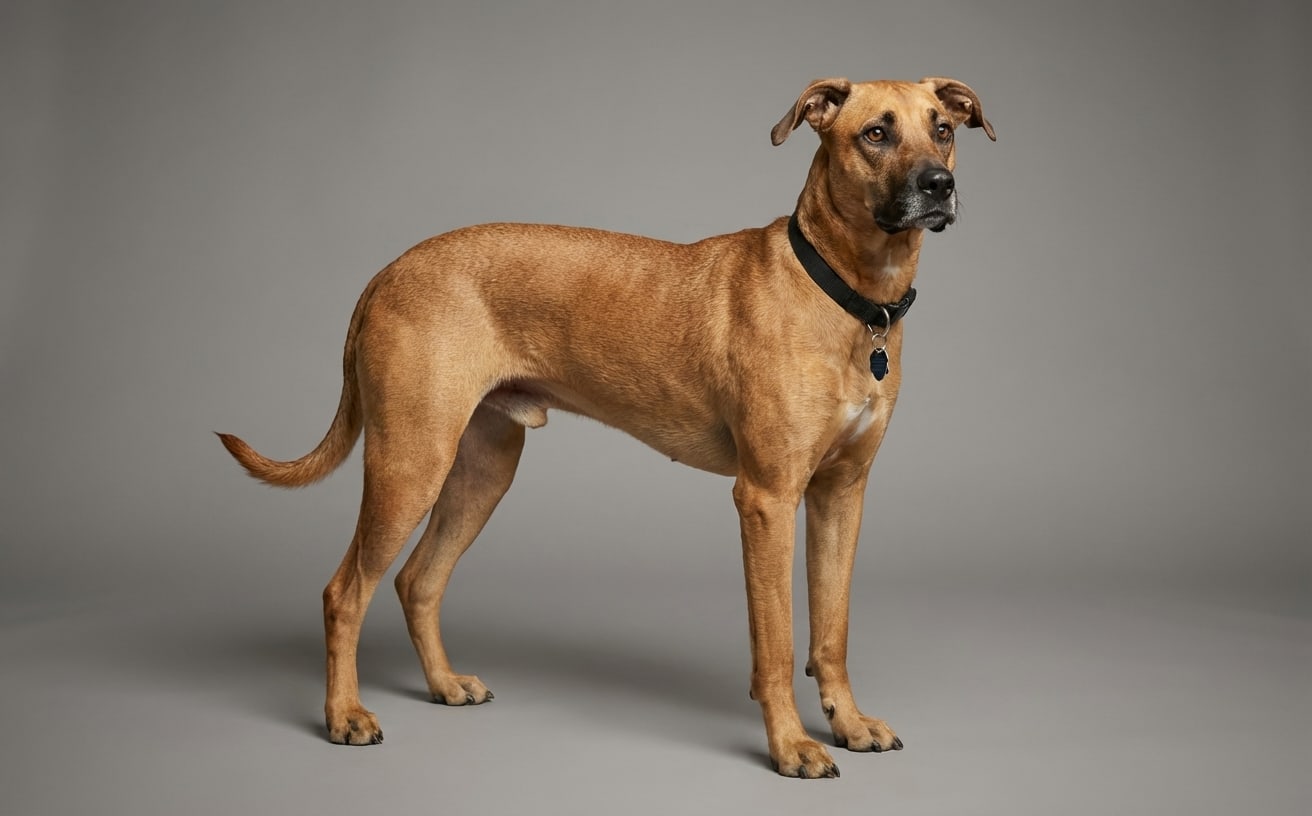
This breed is large, powerful, and elegant, showcasing the influence of the English Foxhound in its general appearance. Grand Anglo-Français Blanc et Orange dogs have long legs, long drop ears, and a long tail. They stand at a height of 60–70 cm (24-28 inches) at the withers, which is a notable feature of their striking appearance.
The coat's texture is typically short and dense, providing protection against the elements. Faults in appearance or structure that could impact health, working ability, or the breed's image include aggression or shyness, a butterfly nose (a condition where the nostrils are pinched), off-color coat, excessive dewlap, and a tail curved or deviated to the side. These faults are carefully evaluated during breed inspections and shows.
Breeder Purpose and Use
The Grand Anglo-Français Blanc et Orange is bred primarily for its hunting abilities, specifically as a scenthound. This breed excels in pack hunting large game and smaller animals. Their natural tracking instincts and strong hunting capabilities make them valuable companions in the field. The breed's hunting prowess has been recognized since the early 20th century, with the first documented pack of Grand Anglo-Français Blanc et Orange used for hunting in 1900.
While "Grand" may suggest size, the breed is more about the pack's hunting capabilities. The breed's hunting background has led to a registry of over 1,000 dogs in France, with a significant number also registered in North America and other countries.
Temperament and Characteristics
The Grand Anglo-Français Blanc et Orange is known for its energetic and loyal nature. Their focus is on work, and they have determined tracking instincts, which can make them less than ideal as pets. The breed's temperament can vary among individual dogs, but generally, those bred for pack hunting may not make the best pets due to their intense drive to hunt and track.
Temperament can be influenced by the dog's environment and training, but the breed's high energy level, medium shedding, and medium trainability should be considered when deciding whether this breed is a suitable match for a household. The breed's characteristics often include a strong sense of smell, a keen sense of hearing, and a willingness to follow a scent trail for long periods.
Health Considerations
No unusual health problems have been documented specifically for the Grand Anglo-Français Blanc et Orange. However, as with any breed, individual dogs may have health issues. Common health concerns in dogs include hip dysplasia, elbow dysplasia, and degenerative myelopathy, which can affect large breeds.
Faults in appearance or structure can have an impact on health and working ability, so breeders should be cautious to avoid breeding dogs with these characteristics. Common faults include aggression or shyness, which can affect social behavior, and a butterfly nose, which can be a sign of a health issue affecting the nostrils.
Lifestyle and Compatibility
The Grand Anglo-Français Blanc et Orange requires an active lifestyle due to its high energy level and work-focused nature. They are not well-suited for apartment living or inactive owners, as their energy needs are significant.
Due to their hunting instincts and lower level of friendliness, they may not be the best choice for families with young children or other pets. The breed's natural behavior is to hunt and track, which can lead to unpredictable behavior around small animals or children. Their compatibility with other pets depends on their individual temperament and the amount of training and socialization they receive.
Ownership Considerations
Potential owners of a Grand Anglo-Français Blanc et Orange should be prepared for a dog with high energy and medium shedding. Due to the breed's hunting background, potential owners should be prepared for an active and focused dog that requires a commitment to its training and care.
Early and consistent training helps channel their energy and instincts into positive behaviors. Potential owners should also be prepared for the following:
- A secure and enclosed area for off-leash activities, as the breed has a strong hunting drive.
- Patience and consistency in training, as the breed can be independent and strong-willed.
Frequently Asked Questions
What is the lifespan of the Grand Anglo-Français Blanc et Orange?
The average lifespan of the Grand Anglo-Français Blanc et Orange is about 10-12 years. Good nutrition and regular veterinary care support a healthy life.
What is the temperament of the Grand Anglo-Français Blanc et Orange?
The Grand Anglo-Français Blanc et Orange is known for: Energetic, Loyal, Independent, Courageous, Work-focused. Its energy level is high.
What size and weight is the Grand Anglo-Français Blanc et Orange?
It is a large dog, typically around 30-35 kg as an adult.
Is the Grand Anglo-Français Blanc et Orange easy to care for?
Reliable grooming and shedding ratings are not available. Routine brushing, ear and dental care, and nail trims are still recommended.
Is the Grand Anglo-Français Blanc et Orange good with kids and other pets?
Reliable child- and pet-friendliness ratings are not available. Supervised, gradual introductions are recommended.
How much exercise does the Grand Anglo-Français Blanc et Orange need?
With a high energy level, it needs walks, play or training matched to its stamina.
Grand Anglo-Français Blanc et Orange
Trait Scores
N/A