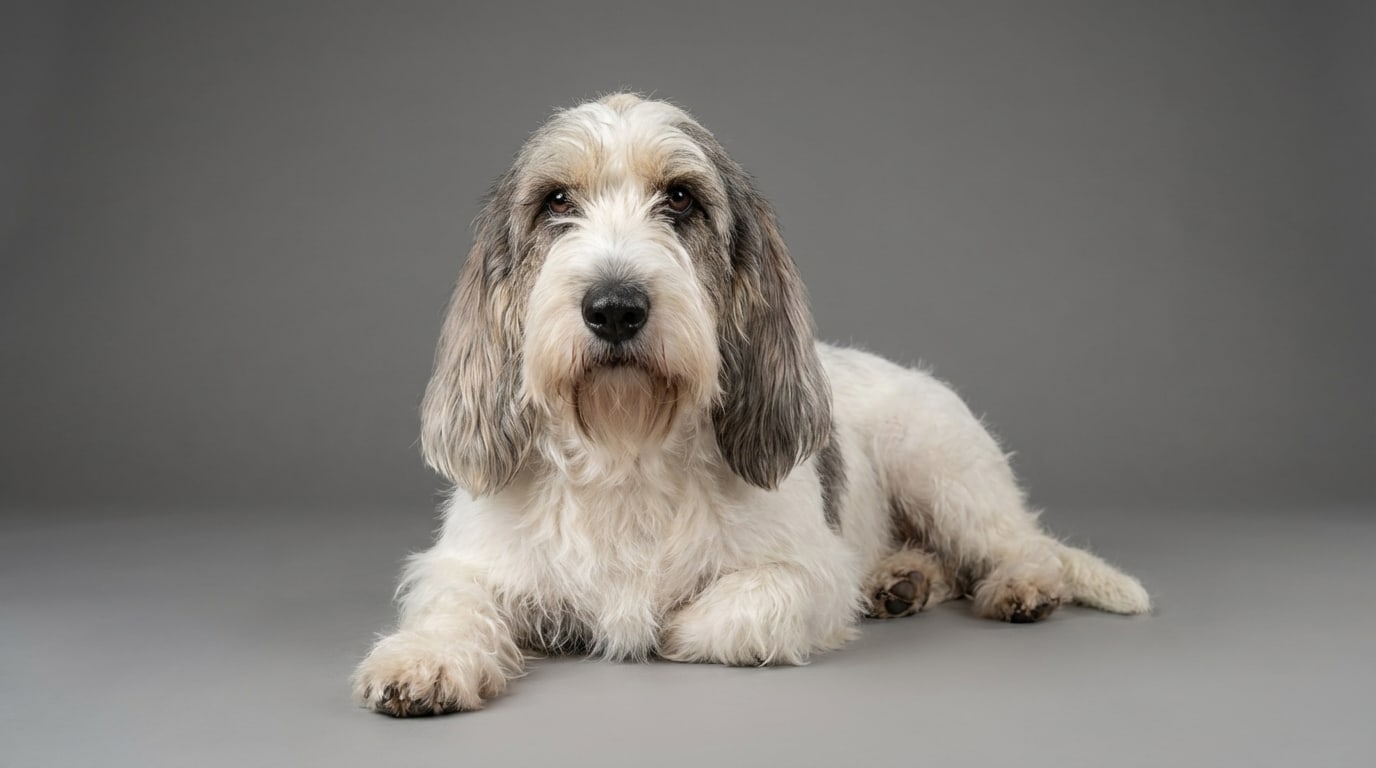
Origin and Early Use
The Giant Schnauzer, known as Riesenschnauzer in German, originated in Germany, where it was bred to assist on farms by driving livestock to market and guarding the farmer's property. This large, powerful, and robust working dog played a crucial role in Bavaria, working at breweries, butchers' shops, stockyards, and factories. The breed's versatility was evident in its ability to perform tasks such as retrieving, herding, and protecting.
The breed's popularity surged during World War I and World War II, when it was utilized as a military dog, serving as messengers, guards, and even in the Red Cross. The first Giant Schnauzers were imported to America in the 1930s, but it wasn't until the 1960s that the breed gained widespread recognition and popularity, thanks in part to the efforts of breeders like Mrs. L. A. Waterman, who was instrumental in promoting the breed in the United States.
The Giant Schnauzer's origin can be traced back to southern Germany, where it shares a common history with the German Pinscher. This lineage includes both rough-haired and smooth-haired types, with the rough-haired type eventually becoming the Schnauzer. The first breed standard was drawn up in 1880, and the breed officially changed its name from Rauhaarige Pinscher to Schnauzer in 1917. The breed's distinctive coat and temperament were the result of selective breeding for working ability and appearance.
Physical Characteristics
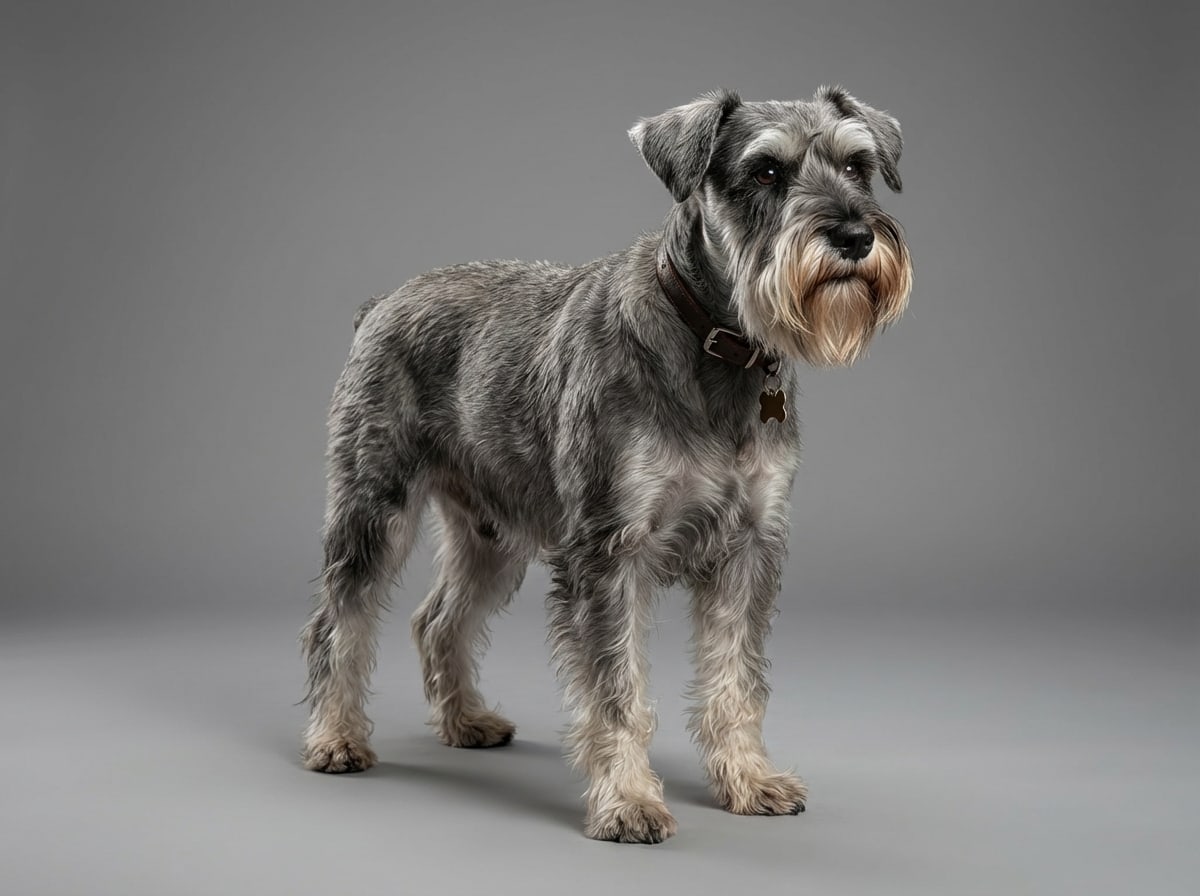
The Giant Schnauzer is a large dog, with males standing 65 to 70 centimeters (25.5 to 27.5 inches) at the withers and females ranging from 60 to 65 centimeters (23.5 to 25.5 inches). This breed is square in shape, resembling a larger version of the Standard Schnauzer. The tail is long, and the ears are small button ears carried high on the head. In areas where it is legal, the tail may be docked and the ears cropped to enhance their working ability.
The head is about half the length of the dog's back from the withers to the base of the tail, with flat cheeks and well-muscled cheeks. The coat is dense, wiry, and weather-resistant, forming a distinct "beard" and eyebrows on the face. The coat comes in three color varieties: pepper and salt, pure black with a black undercoat, and black and silver.
Temperament and Personality
The Giant Schnauzer is known for its loyal, intelligent, alert, energetic, courageous, and confident temperament. These dogs are highly trainable and excel in various dog sports, including Schutzhund and nosework. Their alert nature also makes them suitable for police work and other protective roles, such as detecting drugs and explosives. The breed's temperament is a result of its working heritage, where a confident and alert dog was essential for effective work.
However, the Giant Schnauzer may not be the best fit for those seeking a laid-back companion. Their high energy levels and protective instincts require a home that can provide ample exercise and mental stimulation.
Health Considerations
Despite its robust nature, the Giant Schnauzer is prone to certain health issues. The breed is also susceptible to eye problems such as keratoconjunctivitis sicca (dry eye), glaucoma, cataracts, multifocal retinal dysplasia, and generalized progressive retinal atrophy, which can lead to vision loss.
Dark-colored Giant Schnauzers are more prone to skin cancers such as melanoma of the limbs and digits, and squamous cell carcinoma of the digit. Other health concerns include central diabetes insipidus, autosomal recessive hypothyroidism, selective malabsorption of cobalamin (vitamin B12), narcolepsy, cataplexy, and various seizure disorders. Sensitivity to sulphonamides and gold is also a consideration, requiring careful medication management.
Life Expectancy and Care
The average life expectancy for a Giant Schnauzer is 12.1 years, slightly shorter than the average for purebred dogs. The Giant Schnauzer requires a significant amount of grooming, including regular brushing, bathing, and trimming to maintain its distinctive coat and appearance.
Modern Use and Popularity
Today, the Giant Schnauzer is utilized in various capacities beyond its historical roles. This breed is employed as a police dog, trained for obedience, dog agility, herding, search and rescue, and Schutzhund. They are also used for carting and are shown in conformation shows. In Europe, the breed is considered more of a working dog than a show dog, with a focus on the working ability of the breed. The Giant Schnauzer's versatility and intelligence make it a valuable asset in many different fields.
In the United States, the Giant Schnauzer became popular in the 1960s, with registrations increasing over the years. However, there has been a slight decline in registrations in recent years, with only 95 new dogs registered in 2011 and 94 in 2012. This decline may be attributed to various factors, including the increasing popularity of other breeds and the challenges associated with owning a large, active dog.
Buying a Giant Schnauzer
This breed is best suited for active households with experienced dog owners who can provide proper training and socialization. Potential owners should be prepared for the cost of grooming and veterinary care, as this breed is prone to certain health issues.
- Be prepared for the cost of grooming and veterinary care, as this breed is prone to certain health issues, including hip and elbow dysplasia, eye problems, and skin cancers.
- Ensure you have the time and resources to invest in training and socialization to ensure a well-behaved and adaptable dog.
- Consider the space and lifestyle requirements of a large, active dog. The Giant Schnauzer needs ample room to exercise and a home that can accommodate its size and energy levels.
By understanding the breed's history, characteristics, and potential health concerns, you can make an informed decision about whether a Giant Schnauzer is the right fit for your lifestyle.
Frequently Asked Questions
What is the lifespan of the Giant Schnauzer?
The average lifespan of the Giant Schnauzer is about 12-15 years. Good nutrition and regular veterinary care support a healthy life.
What is the temperament of the Giant Schnauzer?
The Giant Schnauzer is known for: Loyal, Intelligent, Alert, Energetic, Courageous, Confident. Its energy level is high.
What size and weight is the Giant Schnauzer?
It is a large dog, typically around Male: 27-39; Female: 25-34 kg as an adult.
Is the Giant Schnauzer easy to care for?
Reliable grooming and shedding ratings are not available. Routine brushing, ear and dental care, and nail trims are still recommended.
Is the Giant Schnauzer good with kids and other pets?
Reliable child- and pet-friendliness ratings are not available. Supervised, gradual introductions are recommended.
How much exercise does the Giant Schnauzer need?
With a high energy level, it needs walks, play or training matched to its stamina.
Giant Schnauzer
Trait Scores
N/A