Origin and History
The German Spitz, known as Deutscher Spitz in German, originates from Germany. These spitz-type dogs have been mentioned in German literature as early as AD 1450. Count Eberhard zu Sayre Buffon, in his writing "National history of quadrupeds" from 1750, referred to spitz dogs as the ancestors of all German breeds at that time. The breed has a rich history and was initially used for various roles on farms, including herding and guarding.
Over time, breeders selectively bred certain lines to become smaller, which eventually led to the evolution of small companion dogs. This transformation was influenced by factors such as urbanization and the changing needs of dog owners. The breed's versatility and adaptability contributed to its popularity throughout Germany and beyond.
Breed Description
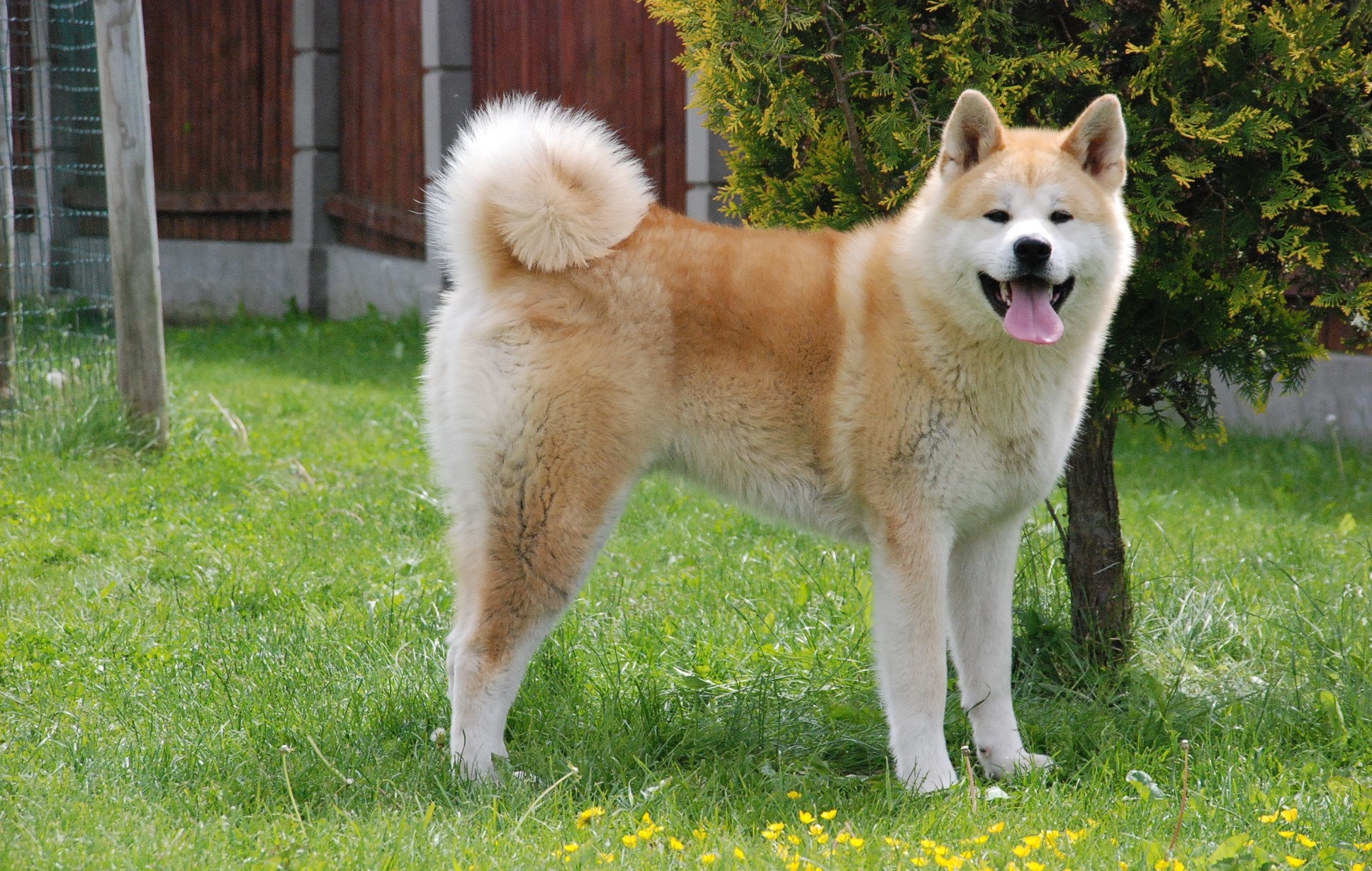
The German Spitz is a long-haired, double-coated breed with a distinctive fox-like expression and a plumed tail carried over the back. The breed comes in five distinct varieties based on size and color: the Wolfsspitz/Keeshond, the Giant Spitz, the Medium Spitz, the Miniature Spitz, and the Pomeranian.
The Wolfsspitz/Keeshond is the largest variety, standing at 43 to 55 cm (17 to 22 in) at the withers and weighing between 27 to 32 kg (60 to 70 lb). The coat is silver-grey with black shading, which is characteristic of this breed. The Giant Spitz, a medium-sized dog, typically weighs 17 to 18 kg (37 to 40 lb) and stands at 43 to 55 cm (17 to 22 in). The coat can be white, black, or brown, with black and brown animals often having white spots on the chest, paws, and tip of the tail.
The Medium Spitz weighs 10.5 to 11.5 kg (23 to 25 lb) and stands at 30 to 40 cm (12 to 16 in). The coat colors can range from white, black, brown, orange, grey-shaded, and various mixes. The Miniature Spitz is smaller, weighing 3 to 5 kg (7 to 11 lb) and standing at 24 to 30 cm (9 to 12 in). The Pomeranian, also known as Zwergspitz, is the smallest, weighing 1.4 to 3 kg (3 to 7 lb) and standing at 18 to 24 cm (7 to 9 in).
Temperament and Personality
The German Spitz is known for its alert, intelligent, confident, lively, and devoted temperament. This breed is highly trainable and has a low shedding level, making it a suitable choice for those with allergies. However, the breed's energy level is considered medium, and it may not be the best fit for extremely inactive households.
Despite its lively nature, the German Spitz has a low level of friendliness towards strangers, which is an important consideration for families with children or those who frequently have guests over. The breed's protective nature can also make it a good guard dog, although it is not typically aggressive.
Size and Weight Varieties
German Spitz dogs come in various sizes, with males weighing between 3.6 to 12 kg (8 to 26 lb) and females weighing between 3.6 to 11 kg (8 to 24 lb). The height ranges from 23 to 38 cm (9 to 15 in), depending on the specific variety. The smallest variety, the Pomeranian, weighs only 1.4 to 3 kg (3 to 7 lb) and stands at 18 to 24 cm (7 to 9 in), while the largest, the Wolfsspitz/Keeshond, can weigh up to 32 kg (70 lb) and stand at 55 cm (22 in) at the withers.
Breeder Purpose and Hypoallergenic Flag
The German Spitz is classified under the Non-Sporting breed category, indicating that its primary purpose is not for hunting or working in sports. The breed is not considered hypoallergenic, with a hypoallergenic flag rating of 0, suggesting that it may not be suitable for individuals with severe allergies to dog dander. Despite the lack of a hypoallergenic rating, the German Spitz's low shedding level and lack of doggy odor can make it a more comfortable choice for allergy sufferers compared to breeds with higher shedding rates.
Breeders focus on maintaining the breed's characteristics and health. The American Kennel Club (AKC) recognizes the German Spitz as a breed, and breed standards are in place to ensure the breed's qualities are preserved. The breed's purpose is to be a loyal companion, and breeders aim to produce dogs that meet these standards.
Health Considerations
Spitz-type dogs are known to have a higher risk of skin allergies, which can cause itching and discomfort. Owners should be vigilant for signs of skin irritation, such as redness, scratching, or hair loss, and consult with a veterinarian for appropriate treatment.
Buying a German Spitz
These clubs provide a network of responsible breeders who adhere to ethical breeding practices and health standards.
Ask the breeder about the dog's health history, including any known genetic conditions. It is also advisable to meet the puppy's parents and observe their temperament and behavior. This will give you a better understanding of the puppy's potential personality and health status. While the initial purchase price may vary depending on the specific variety, the long-term investment in a healthy and happy German Spitz is invaluable.
By choosing a reputable breeder, you increase the chances of bringing a healthy and well-adjusted German Spitz into your home.
Frequently Asked Questions
What is the temperament of the German Spitz?
The German Spitz is known for: Alert, Intelligent, Confident, Lively, Devoted. Its energy level is moderate.
What size and weight is the German Spitz?
It is a medium-sized dog, typically around Male: 3.6-12; Female: 3.6-11 kg as an adult.
Is the German Spitz easy to care for?
Reliable grooming and shedding ratings are not available. Routine brushing, ear and dental care, and nail trims are still recommended.
Is the German Spitz good with kids and other pets?
Reliable child- and pet-friendliness ratings are not available. Supervised, gradual introductions are recommended.
How much exercise does the German Spitz need?
With a moderate energy level, it needs walks, play or training matched to its stamina.
German Spitz
Trait Scores
N/A