Origin and Development
The German Spaniel, known as the Deutscher Wachtelhund in its native Germany, originated around 1890. This breed was developed to meet the versatile hunting needs of commoners following the Revolutions of 1848 in the German states. The Stöberer, an old German breed, was the foundation of the modern German Spaniel, with its powerful nose resembling that of a Bloodhound. German dog breeder Frederick Roberth is credited with creating the modern breed by crossing Stöberer with water dogs and sporting spaniels.
The Deutscher Wachtelhund was recognized as a breed in 1903, and the Verein für Deutsche Wachtelhund (VDW) was organized to establish breed standards. The breed's standard was based on eleven dogs selected from across Germany, including two from Hannover. These dogs are the ancestors of all modern registered German Spaniels. The breed was named after its original role as a hunter, specifically a "wachtelhund," which translates to "watch dog" or "flushing dog" in English.
Notable historical figures, such as Lord Chancellor of Great Britain John Scott, 1st Earl of Eldon, owned German Spaniels, highlighting the breed's historical significance and loyalty.
Breed Characteristics
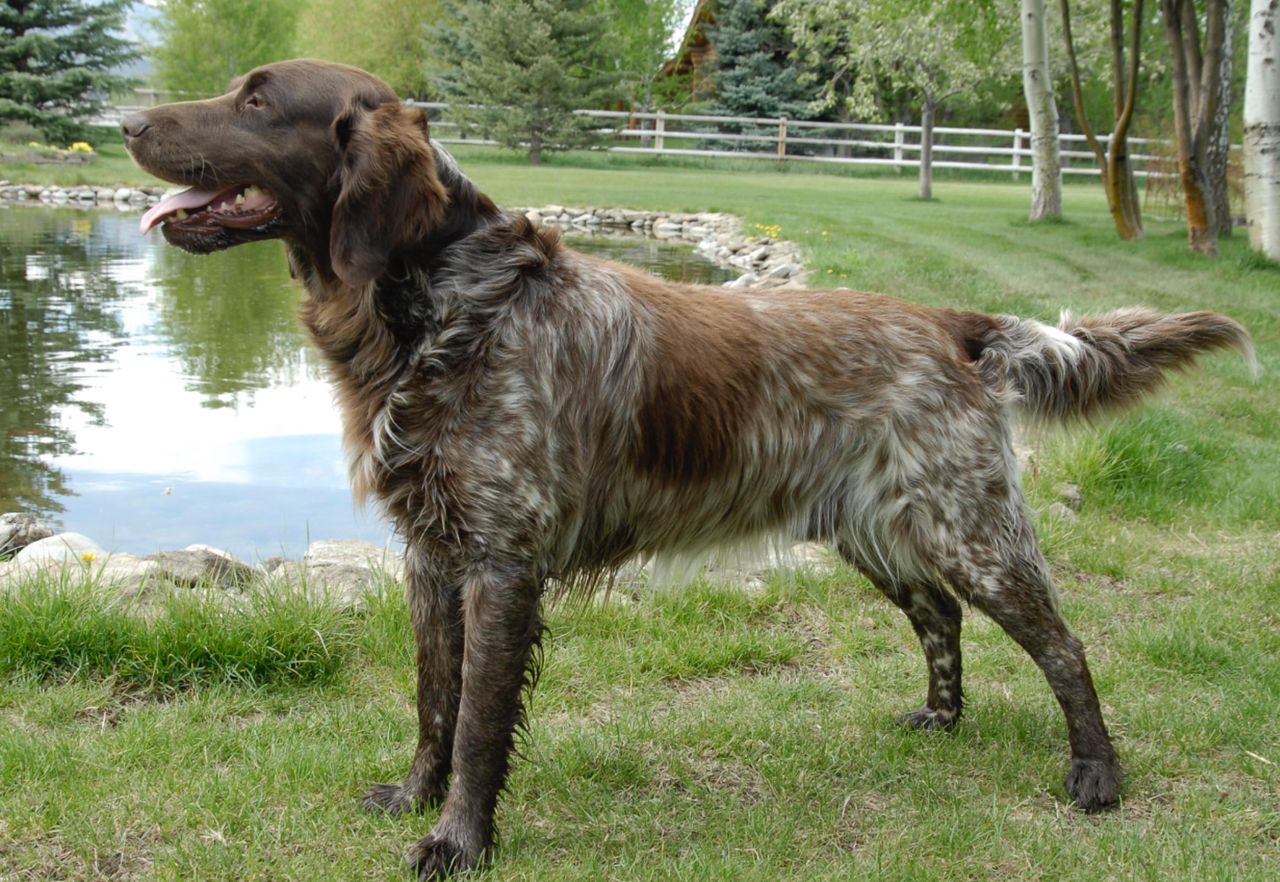
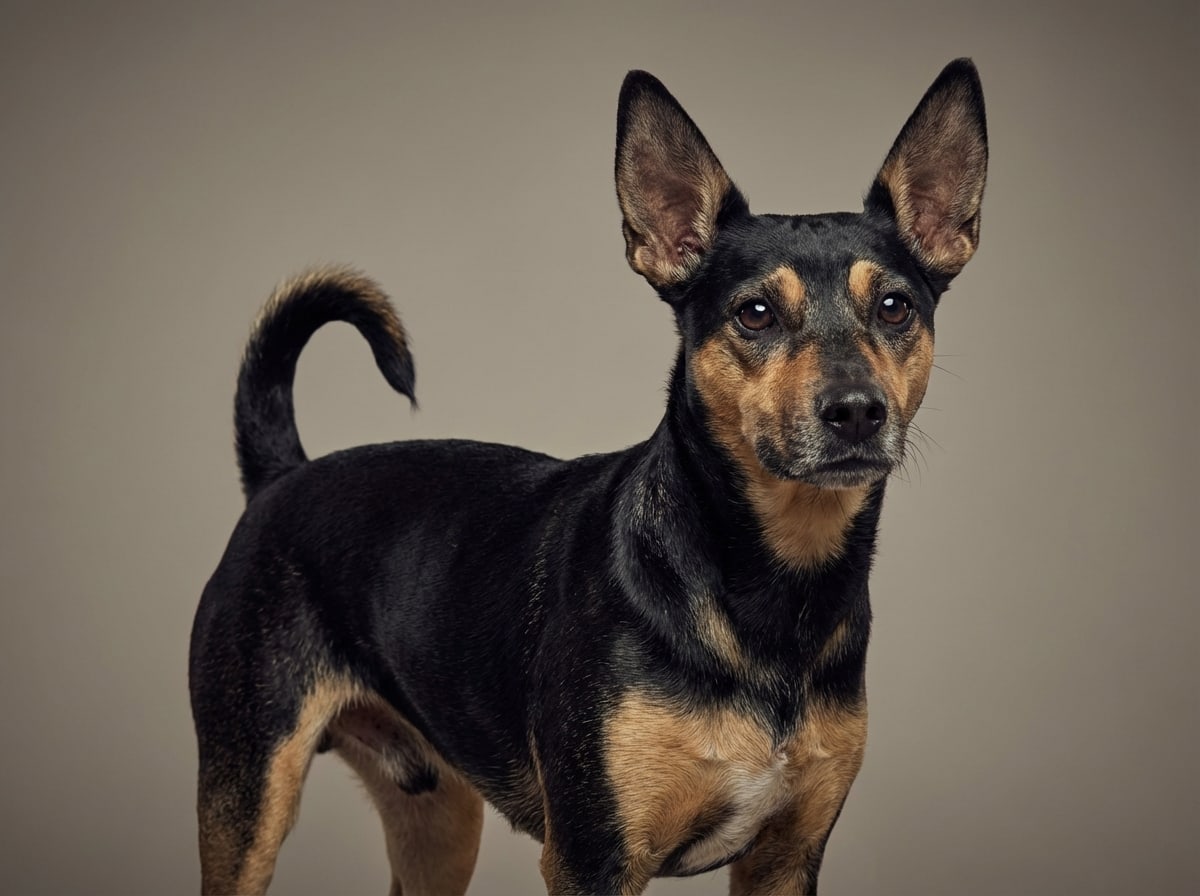
The German Spaniel is a medium-sized, muscular hunting spaniel with a dense wavy double coat. The coat is short on the head and long on the body, providing protection with a strong undercoat. The color is typically brown or brown roan, with occasional white markings on the chest and legs. Other colors include red and white, and solid red, but plain black is not found in the breed. The breed standard dictates that the coat should be glossy and water-resistant, an adaptation to their hunting environment.
Adult German Spaniels stand at 47-55 cm for males and 44-52 cm for females at the withers, weighing between 20-25 kg. The breed is known for its strong tracking abilities, which were developed for versatile forest hunting.
Intelligent and loyal, the German Spaniel has a temperament that is energetic and adaptable. It is confident and work-focused, making it an excellent choice for those with experience in training and handling hunting dogs. The breed's versatility is further enhanced by its adaptability to different hunting styles and terrains.
Temperament and Behavior
German Spaniels are intelligent and loyal, which contributes to their work-focused nature. While not typically known as a friendly breed, they are adaptable and can be confident in various settings. This confidence often stems from their training and socialization experiences.
These dogs have a strong sense of loyalty and are known to bond closely with their owners. They may be less friendly towards strangers, which is a trait to consider for those living in homes with frequent visitors or in multi-dog households. The breed's protective nature is an extension of its loyalty and can manifest as a wariness of unfamiliar faces.
German Spaniels are capable of retrieving game and tracking, making them versatile hunting companions. Their adaptability allows them to excel in various roles, from field work to family pets.
Health Considerations
Early detection and management of health conditions can contribute to a longer and healthier life for the dog. German Spaniels are prone to certain health issues, such as hip dysplasia, which can lead to mobility problems. Other concerns include eye disorders like cataracts and progressive retinal atrophy, which can affect vision.
Additionally, the breed may be susceptible to allergies, which can cause skin irritation and discomfort. German Spaniels may also experience back problems due to their muscular build, necessitating careful handling and exercise routines to prevent injury.
Coat and Grooming
The coat is medium in length, with a thick undercoat that provides protection. It is typically brown or brown roan, with white markings on the chest and legs. Other colors include red and white, and solid red, but plain black is not seen in the breed. The breed standard dictates that the coat should be glossy and water-resistant, an adaptation to their hunting environment.
Bathing should be done as needed, as overbathing can strip the coat of its natural oils. Trimming the coat around the face and feet may be necessary to keep it clean and manageable.
Lifestyle and Compatibility
They are best suited for families or individuals who can provide them with ample opportunities for physical activities such as walking, running, and hunting. Their energetic nature demands a home with ample space to roam and play.
Given their hunting background, German Spaniels may not be the best choice for first-time dog owners or those looking for a low-maintenance pet. Their adaptability and intelligence make them suitable for experienced handlers who can provide consistent training and mental challenges. This training is not only for managing behavior but also for maintaining the bond between the dog and its handler.
These dogs are known for their loyalty and bond closely with their owners, making them excellent companions for those who are willing to invest the time and effort to train and care for them. Their dedication to their work and their owners is a hallmark of the breed.
Buyer's Checklist and Cost Realism
- Experience with dogs: German Spaniels require experienced handlers due to their energetic nature and strong work ethic. This experience is particularly important for managing their high energy levels and intense focus on hunting tasks.
- Training: Invest time in training to ensure the dog's behavior is well-managed and to foster a strong bond. Training should start early and be consistent, covering basic obedience and hunting skills. Socialization is also crucial for the dog's overall development and compatibility with other pets and people.
- Financial preparedness: German Spaniels may have higher vet bills due to potential health issues, such as hip dysplasia and eye disorders. Potential owners should be prepared for the financial commitment associated with owning a German Spaniel.
Frequently Asked Questions
What is the lifespan of the German Spaniel?
The average lifespan of the German Spaniel is about 12-14 years. Good nutrition and regular veterinary care support a healthy life.
What is the temperament of the German Spaniel?
The German Spaniel is known for: Intelligent, Loyal, Energetic, Adaptable, Confident, Work-focused. Its energy level is high.
What size and weight is the German Spaniel?
It is a large dog, typically around 20-25 kg as an adult.
Is the German Spaniel easy to care for?
Reliable grooming and shedding ratings are not available. Routine brushing, ear and dental care, and nail trims are still recommended.
Is the German Spaniel good with kids and other pets?
Reliable child- and pet-friendliness ratings are not available. Supervised, gradual introductions are recommended.
How much exercise does the German Spaniel need?
With a high energy level, it needs walks, play or training matched to its stamina.
German Spaniel
Trait Scores
N/A