Origin and History
The German Pinscher, known as Deutscher Pinscher, is a breed of dog that originated in Germany. It shares its origins with the Schnauzer, essentially being a short-haired equivalent. The breed has been historically used as carriage dogs, stable dogs, and ratters. The name "smooth Pinscher" was first mentioned by Heinrich Gottlieb Ludwig Reichenbach in 1836. In 1880, the Pinscher was recorded in the Deutschen Hundestammbuch, and by 1895, a breed society, the Pinscher-Schnauzer-Klub, was established for both rough- and smooth-haired Pinschers. The breed nearly disappeared after World War II but was reconstructed by Werner Jung using a single standard-sized animal and four unusually large Miniature Pinschers. The Pinscher was definitively accepted by the Fédération Cynologique Internationale in 1955.
The German Pinscher is listed in category III of the Rote Liste of the Gesellschaft zur Erhaltung alter und gefährdeter Haustierrassen, indicating it is an endangered breed. In 2003, it was declared the 'endangered breed of the year' by the Gesellschaft zur Erhaltung alter und gefährdeter Haustierrassen, with only 40 breeding bitches at that time. In 2022, the breed was listed in category III, 'endangered', reflecting its critical status. Between 2008 and 2017, the number of puppies whelped annually ranged between 350 and 450, with just over 50 litters per year in 2016 and 2017.
The German Pinscher's history is intertwined with its working purposes, initially serving as carriage dogs, stable dogs, and ratters. Its distinct lineage, which includes the rough-haired Pinscher (now the Standard Schnauzer) and the Miniature Pinscher, showcases its diverse genetic background and adaptability.
Physical Description
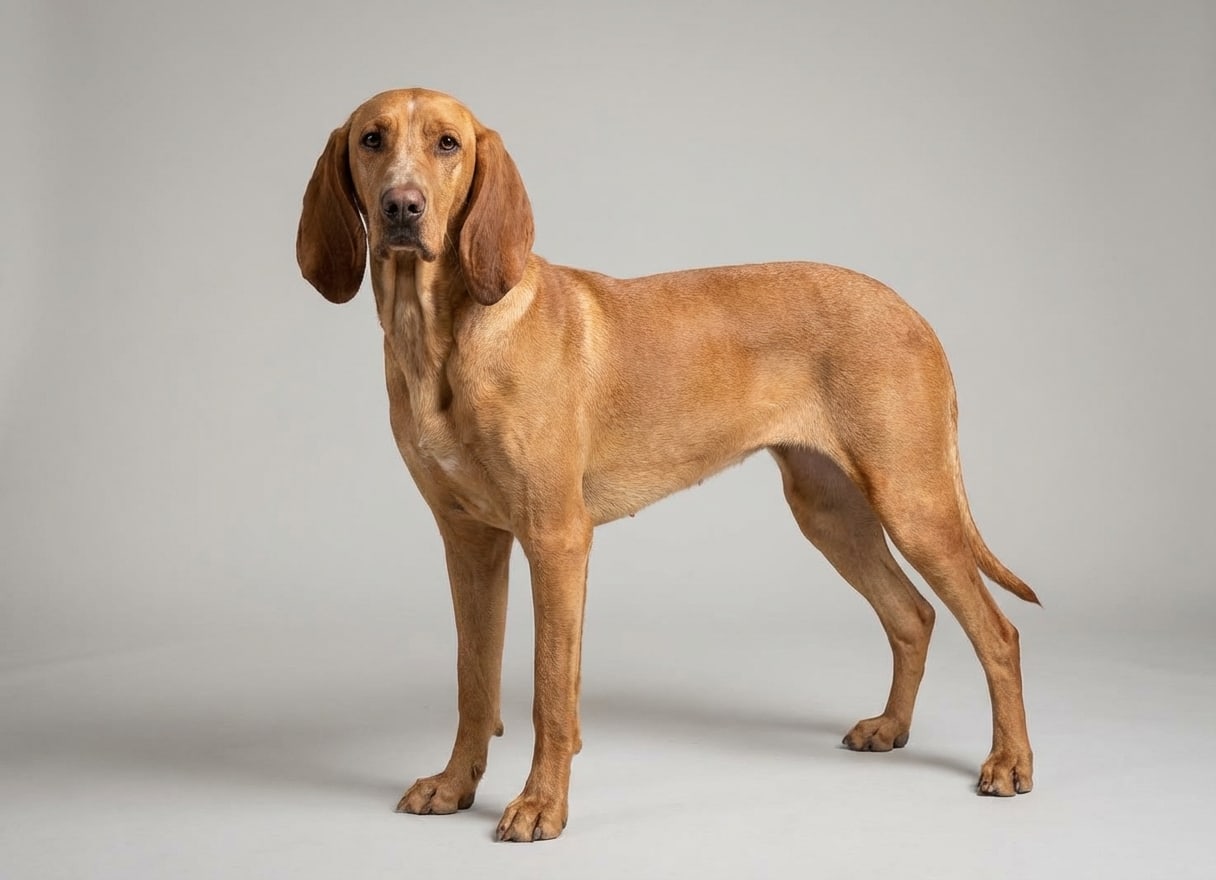
The German Pinscher is a medium-sized dog with well-muscled bodies and an elegant, athletic build. The weight range for adults is between 11-20 kg, and their height at the withers is between 43-51 cm. The breed is recognized for its dense, short, and smooth coat, which may be black-and-tan or self-colored red, ranging from light stag-red to a dark reddish brown. This coat type is one of the characteristics that distinguish the German Pinscher from other breeds in the Pinscher and Schnauzer group.
Its alert and confident demeanor is matched by its athletic build, which was once used for working purposes such as pulling carriages and keeping vermin at bay in stables.
Despite its medium-length coat, shedding is moderate, which is a practical aspect for potential owners to consider.
Temperament and Behavior
The German Pinscher is known for its high-spirited, alert, and confident demeanor. It is a working dog that is intelligent, energetic, and loyal. This breed is courageous and often displays a protective nature, making it a suitable choice for those seeking a watchdog. Its temperament is well-suited for individuals or families who appreciate a dog with a strong sense of purpose and a willingness to engage in various activities.
Despite its working background, the German Pinscher is generally reserved with strangers, which aligns with its loyal and protective nature. This temperament aspect is something potential owners should be aware of, as it can influence how the dog interacts with people outside of its immediate family or circle.
The breed's high energy level and intelligence make it highly trainable, which is beneficial for owners who want to engage in activities such as obedience training or competitive dog sports. The German Pinscher's willingness to learn and its energetic nature can make training a rewarding experience.
Breeder Purpose and Working Abilities
The German Pinscher was bred for working purposes, and its heritage as a working dog is evident in its temperament and physical attributes. This breed's intelligence and energetic nature make it suitable for tasks such as herding, agility, and obedience. Its alertness and courage make it an excellent choice for roles such as a carriage dog or a ratter, roles it once filled in its native Germany.
The German Pinscher's working background also influences its exercise needs. This breed requires regular physical activity to maintain its health and well-being.
As a working dog, the German Pinscher is known for its resilience and endurance, traits that have been preserved in the breed even as it transitioned into a more domesticated role.
Health Considerations
Like all breeds, the German Pinscher is prone to certain health issues. Potential owners should be aware of conditions such as hip dysplasia, which can affect the dog's mobility and may require veterinary intervention. Additionally, this breed may be susceptible to skin allergies, which can cause discomfort and require careful management.
Potential owners should seek out reputable breeders who prioritize the health and welfare of their dogs.
Adoption and Ownership
Potential owners should consider several factors before adopting a German Pinscher. Given its working background, the breed requires a home that can provide ample exercise and mental stimulation. The German Pinscher's high energy level and intelligence make it a great match for active individuals or families who enjoy outdoor activities and training exercises.
Its moderate shedding and generally healthy coat make it a suitable choice for those with mild allergies.
Due to its protective nature, the German Pinscher may be wary of strangers, which is something to consider if you have young children or frequent guests. Socialization from a young age can help mitigate this behavior and ensure the dog is well-adjusted to various social situations.
Buying Checklist and Cost Realism
When considering the adoption of a German Pinscher, here is a practical checklist to consider:
- Ample space for exercise and play
- Regular access to a secure outdoor area
- Commitment to daily exercise and mental stimulation
- Understanding of the breed's working heritage and its needs as a family pet
Cost realism is also an important factor. While the initial cost of purchasing a German Pinscher may vary depending on the breeder and the dog's age, ongoing expenses such as veterinary care, grooming, and food should be budgeted for.
By carefully considering these factors, potential owners can provide a loving and nurturing environment for their German Pinscher, ensuring a long and fulfilling relationship with this unique and spirited breed.
Frequently Asked Questions
What is the lifespan of the German Pinscher?
The average lifespan of the German Pinscher is about 12-14 years. Good nutrition and regular veterinary care support a healthy life.
What is the temperament of the German Pinscher?
The German Pinscher is known for: Alert, Courageous, Intelligent, Energetic, Confident, Loyal. Its energy level is high.
What size and weight is the German Pinscher?
It is a large dog, typically around 11-20 kg as an adult.
Is the German Pinscher easy to care for?
Reliable grooming and shedding ratings are not available. Routine brushing, ear and dental care, and nail trims are still recommended.
Is the German Pinscher good with kids and other pets?
Reliable child- and pet-friendliness ratings are not available. Supervised, gradual introductions are recommended.
How much exercise does the German Pinscher need?
With a high energy level, it needs walks, play or training matched to its stamina.
German Pinscher
Trait Scores
N/A



